

51st Highland Division Monument
The 51st Highland Division and Ross Bequest Trust handed over the monument to the Clan Donnachaidh Society.
MoreClansman or clanswoman show their membership of their Chief's clan by wearing their Chief's crest within the strap and buckle bearing the motto or slogan.
The Chief's crest is the emblem that surmounts his coat of arms. Clansmen and clanswomen do not use the crest on its own but within the strap and buckle. This forms the badge of all clansmen and women, whether they are members of clan societies or not. For Clan Donnachaidh, the badge portrays the Chief's crest of a hand holding up the crown, commemorating his ancestor's capture of one of the murderers of King James I of Scotland in 1437.
Additional information about the Heraldry of Clan Donnachaidh, from the armorial bearings to finding out with Crest badge to wear.
Download

In Scottish heraldry, a coat of arms is personal to the bearer: the Clan Donnachaidh Chief's shield of three wolves' heads cannot be used by anyone else.
There is in fact, no such thing as a clan coat of arms. The Chief's coat of arms, the shield with three wolves' heads, is personal to him and as no one else can wear or use it, any displays on plaques, T-shirts, visiting cards and memorabilia are unofficial and unauthorised.
The full coat of arms of the Chief of Clan Donnachaidh is represented by a crest of a hand holding up the crown, and is worn by clansmen and women within a strap and buckle to show their membership of the clan. The shield with three wolves' heads is personal to the Chief, currently the 23rd Chief, Gilbert Robertson of Struan. In no circumstances should it be used by anyone else.
Coats of arms originated in medieval times when men would lead their followers into battle mounted on horseback and wearing suits of armour. For identification, the leader covered his armour with a light cloth coat decorated with the personal design that he used on his shield and also on his documents. Consequently, a coat of arms became recognised as a way to identify an individual. The coats of arms were registered under Scottish law and Scottish heraldic law is still maintained by a Court with adequate jurisdiction, the Court of the Lord Lyon.
Anyone who wants to have their own version of the arms must register them separately with the Court of the Lord Lyon, when they will be given some suitable "difference" from the Chief's arms. This is all protected by law, and infringement of the sole rights of the holder of a Coat of arms can bring prosecution. Infringements unfortunately occur outside Scotland, usually through lack of awareness. It is a serious social lapse to use someone else's coat of arms and in Scotland it is illegal.
Clan Chiefs are heads of very large extended families, including all of the same surname, and often, several other surnames as well. The principal Clan Donnachaidh surnames are Robertson, Duncan and Reid, found in large numbers in the clan heartland in Perthshire and the neighbouring counties.
Clan Donnachaidh is the only Scottish clan that still uses its Gaelic name, which comes from the first Chief Duncan (Donnchadh in Gaelic), who lived in the early 1300s. Clan Donnachaidh means "Children of Duncan". Hereditary surnames were not used until the 1500s, when the fifth Chief Alexander, son of Robert, began using the surname Robertson. His clansmen eventually followed suit but there were many variations. Some clansmen used the surname Reid, after an ancestor with red hair, and further away from the clan heartland there were more people using the first Chief's name, Duncan.
There are other names that have historically been associated with Clan Donnachaidh. Additionally, although membership of a clan goes with the surname, many people who have no paternal clan of their own are content and proud to demonstrate their relationship with their mother's clan by wearing her ancestral clan's crest badge.

Whichever clan surname they bear, clansmen and clanswomen of Clan Donnachaidh wear the badge with the Chief's crest of a hand holding up the crown, commemorating his ancestor's capture of one of the murderers of King James I of Scotland in 1437.
There are people other than the Chief who have a clan surname and who have their own coat of arms and crest. Some retail merchants and websites produce 'clan badges' using the heraldic crests of these other people with clan surnames. These crests are personal to the individual concerned and do not represent the Clan as a whole. If you wear a badge connected with someone other than the Chief of Clan Donnachaidh you are affirming your association with that person and not with the Chief and Clan. For instance, retailers may sell badges with the sailing ship crest associated with the 18th century Scottish Admiral Duncan. If you wear an Admiral Duncan crest badge you are , and not affirming your membership of Clan Donnachaidh.
The 51st Highland Division and Ross Bequest Trust handed over the monument to the Clan Donnachaidh Society.
More
What a wonderful gathering this year. Thanks so much to those that worked so hard to organise it again and ma
More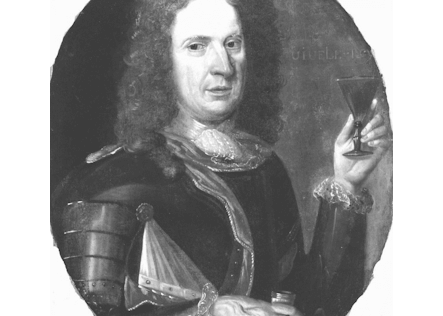
Alexander Robertson, the famous "Poet-Chief" of Clan Donnachaidh, was born about the year 1670.
More
Discover the history of the society and it's connections to the Clans around Perthshire.
More