
River names are the most ancient in the landscape and the explorers who named Scotland's greatest river 'smooth and quiet' water were the same folk who first met the Taw in north Devon, the Tavy in Cornwall, the Tyne, and even the Tiber. The early inhabitants began to clear the forests and left signs of their passing in dozens of enigmatically cup-marked boulders, in great stone circles, in tumuli where they buried their dead.
But those who named the river Tay are unknown. Their story can never be told, nor that of the hundreds of generations who followed them and called this land their own. Not until the Picts, some two millennia ago, do we have a name for the people who lived here and what follows is mainly an account of the Gaels who supplanted them. They have gone, too, but their genes live on in the modern resident of Highland Perthshire, as do those of the Picts, and their ancient predecessors. The culture and even the language may be changed by successful invaders but the human stock absorbed them and remained much the same.
Kenneth McAlpine made his capital at Dunkeld 1,150 years ago. By then the city already had a history going back three hundred years. When St Augustine landed in Kent to bring Christianity to southern England, St Columba and his missionaries had already converted the Picts and a monastery nestled on the bank of the Tay. The Viking raids down the west coast destroyed the religious settlement at Iona. Half the monks sought refuge in Ireland, the others came to Dunkeld bearing the remains of their founder.
Once more the saint's bones were laid to rest but, in the chaos of successive raids by the Norsemen, their location was forgotten. Twice the the early abbey was burned and it was damaged several times in later tumults but the current roofless state of much of the building owes itself to a couple of local lairds and their enthusiasm for the destruction and theft of Papist establishments during the Reformation.
By then, the 16th century, the variation on the clan system as practised in Atholl was at its peak. This was the country of the Stewarts, Clans Menzies and Donnachaidh. The last of these, the Robertsons, were the earliest recognisable clan between Dunkeld and Dalnacardoch. Their chief can trace his line from the Picts, the old Celtic kings and earls of Atholl, and the kindred of St Columba. In the pleasant phrase to show ancient associations with the district, they were said to be the first to 'make smoke' in these straths. The first seat of the chief was at Struan on a conveniently defensible mound above the river Garry, some twenty miles north of Dunkeld.
Their power began to wane when the line of the old earls died out and the title was won by Robert, High Steward of Scotland. His mother was a daughter of Robert Bruce and he came to the throne as Robert II. The Stewarts, like the Menzieses, came from France, arriving into Scotland in 1136 in the train of King David and his queen, Maud. Strathtay, Strathtummel and Strathgarry were for centuries dominated by Stewart lairds.
The Stewart line of earls died out in its turn, and the last heiress was won by the Murray earls of Tullibardine. As earls, marquises, and dukes of Atholl, they ruled Atholl until modern times but, although they held feudal superiority over this country, clan and kin loyalties built up over centuries sometimes led the people into conflict with their master. It provided a rich brew to be distilled into history.
Find your local branch for Clan Donnachaidh memebers that are based in New Zealand.
More
The old two-handed sword of the sort wielded by Wallace and Bruce is the claidheamh da laimh. The later, basket-hilted, lighter, doub
More
As you advance north across the Tay at Dunkeld, you are entering Atholl. The name, originally Athflota, means New Irelan
More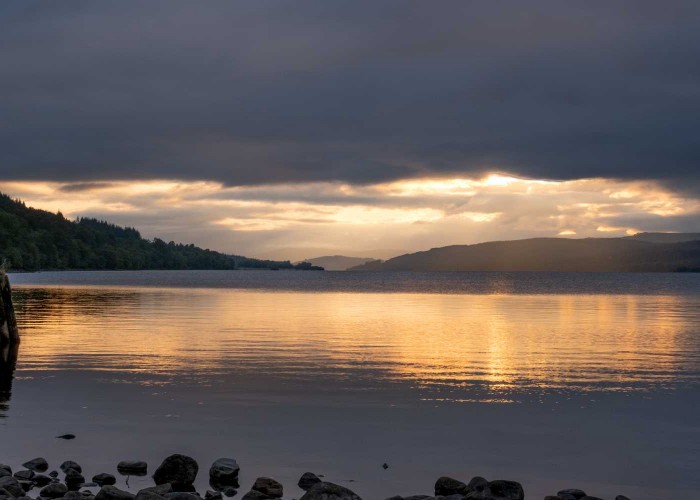

The Lairds of Clan Donnachaidh at the Battle Of Culloden in Support of the Jacobites
More
Clach na Brataich is a legendary stone with historical significance in Scotland and associated with Clan Robertson.
More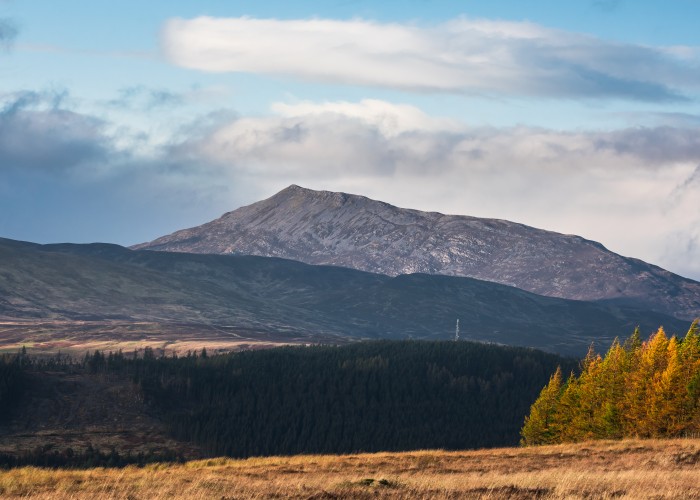

300 years ago the hillsides were dotted with little townships huddled round a good spring or well.
More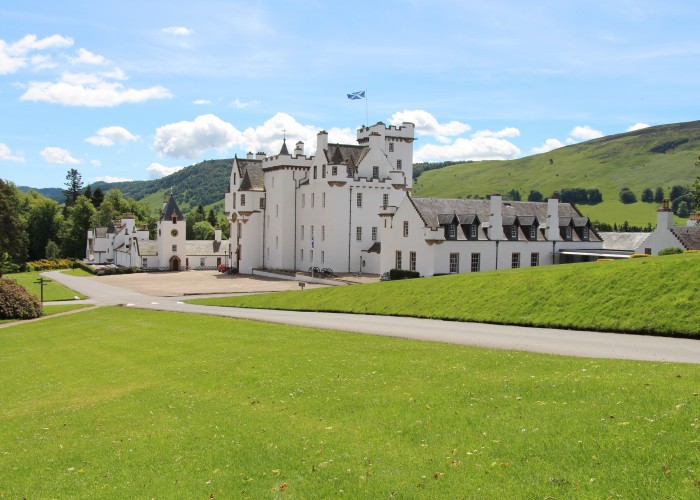

Aberfeldy is what used to be called a thriving market town. The market has long closed but the town still thrives.
More