
Like Inveraray and Kenmore, this is a company town owned and created by the great man in the nearby castle which, in its Victorian incarnation, sits like a great wedding cake on the north side of Strathgarry. Cummings Tower lying at the heart of the modern castle was erected about 1269 by John Comyn of Badenoch when David, the crusader earl of Atholl, was in England. At one time the Comyns were the most powerful family in the land and claimants for the Scottish crown, fighting against Edward I when Bruce was still the English king's ally. In the squabbles between Norman immigrant barons for the throne, Robert Bruce murdered the Red Comyn in front of the altar of the Franciscan Priory of Dumfries. Seeking vengeance, his son fought and died on the losing side at Bannockburn and, since winners write history, the family disappeared.
Legend has it that one of these Comyns was a brute who ordered that women on his lands worked naked in the fields when harvesting the crops, a cruel imposition when one considers the midges at that time of year. His end was heralded by his horse which arrived at Ruthven bearing only his leg trapped in a stirrup. The rest of Comyn had been dashed to pieces on the rocks after he slipped from the saddle.

Blair Castle was 'destroyed with powder' by one of Cromwell's colonels in 1653. Yet it lay at the heart of the Rebellion of 1689 and in 1746 endured the last siege in British history when the duke's brother Lord George Murray spent a leisurely few days bombarding it and its government garrison.
After the Rising the castle lost its top two floors and became little more than a large mansion house. At the same time the garden was laid out with grottoes and classical statues. In Victorian times, when fiddly bits became fashionable, turrets and towers were added to make it more in keeping with how a castle should look.
As major players in national politics, the dukes were forced to spend increasing amounts of time in London after the Union and, in 1771, a ducal mansion was built in Grosvenor Street. In spite of owning the Isle of Man and coal mines in the Lowlands, the bulk of the duke's interests were in the Highlands and these could not generate sufficient cash for him to compete comfortably with his peers. In Atholl he sold off lands to the resident lairds but retained ownership of a hundred and forty thousand acres. By the twentieth century, taxation and the world depression put the entire estate in jeopardy and it was saved by being bought by the mother of the bachelor 10th duke, a member of the Cowdray/Pearson family. On his death in 1996, the title was inherited by a South African kinsman descended from the 4th duke and the core of the estate was passed into the ownership of a Trust whose duty it is to preserve the landscape in perpetuity for the people of Scotland.
The link between the dukes and the castle has not been lost. The vogue for the Garb of Old Gaul, as the Victorians called the kilt and its accoutrements, was enthusiastically followed by the Atholl family. In 1822, four officers, four sergeants and ninety six men volunteered to dress up in tartan and parade in the duke's tail when George IV came to Edinburgh. His Grace decided that the enormous Highland input to 'The King's Jaunt' was rather vulgar and left them at home but they paraded at the local Highland games in 1824.
A full contingent, in spanking new uniforms, turned out to march with the new duke down to the Eglinton Tournament in 1838. On this occasion the aristocracy of Scotland put on fancy dress and played at Ivanhoe in the pouring rain. After that the Highlanders regularly turned out to greet and guard his Grace's most important guests. These estate workers, decked in claymores with pipes to the fore, so amused Queen Victoria that she awarded them their colours, making them the only private regiment of the British army. The regiment still exists, enjoyed as a hobby by those associated with the castle and the estates. It is the duke's regiment, not the castle's, and he comes over to this country to meet them and they go to South Africa to meet him. Much whisky is drunk.

The castle grounds are remarkable for their specimen trees and the reception rooms were remodelled during the eighteenth century and this is how they are laid out today with the lavishness one would expect from one of the great potentates of the Highlands. Much of the rest retains the atmosphere of a grand country house of the Victorian and Edwardian eras. Of special interest are the mementos of the century of the family's involvement with Jacobitism and the oddities and antiquities gleaned from the countryside by the local people and presented to the dukes for safekeeping.
The Atholl Country LIfe Museum, at the southern approach to the village, gives a valuable glimpse into life in rural Atholl before it fragmented after the First World War.

Find your local branch for Clan Donnachaidh memebers that are based in New Zealand.
More
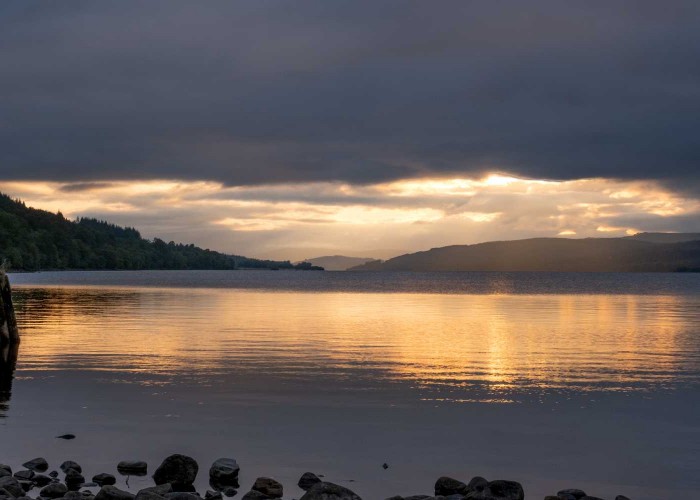
The village of Kinloch Rannoch was created in the period after the '45. It is a nomenclatural oddity.
More
Situated in the central part of Scotland, Strathtummel is within easy reach of highland Perthshire, home to historical sites and
More
Along the north face of the strath between Logierait and Aberfeldy are eleven estates whose boundaries have been largely unchanged
More

The film location of the fictional stone circle called Craigh na Dun, where Claire travels back in time.
More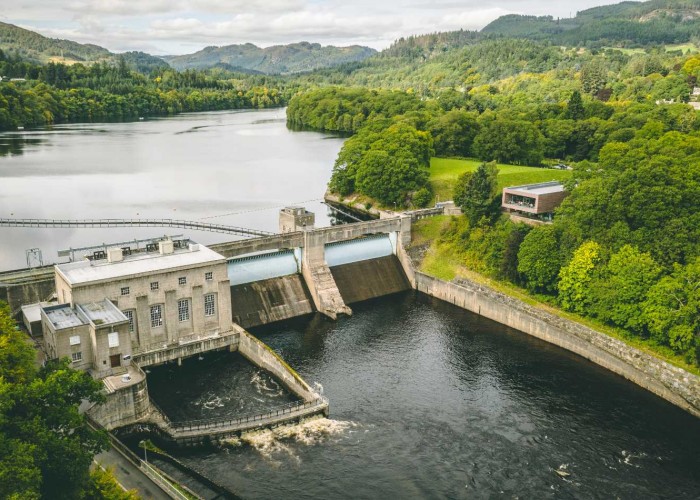
Pitlochry has kept pace with the times. Thousands come from all over the world to make this one of the most important stops on the
More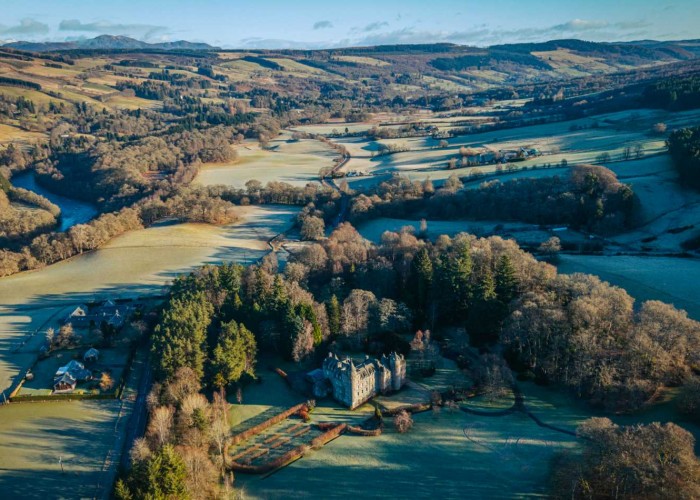

St Mary's Chapel in Grantully near Aberfeldy with a magnificent 1600s painted ceiling
More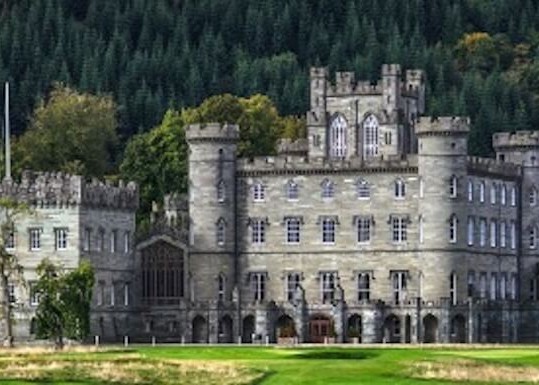
The spectacular Gothic edifice of Taymouth Castle is one of the grandest buildings in Scotland. Most was completed in 1807 by
More
Much of what is now called Breadalbane used to be in Atholl but the incoming Campbells of Glenorchy took the name as the title of
More
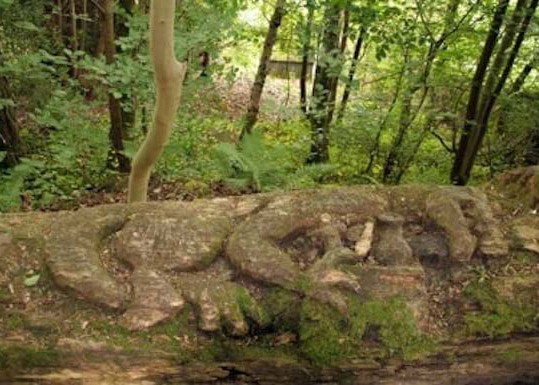
The name comes from the word 'uamh' in Gaelic which means cave. The caves are in the wooded crags above the village
More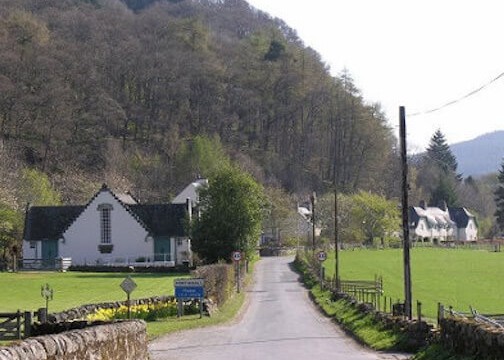
Recently crop marks have been observed much closer to the village and, although confirmation is still needed, they show signs of b
More
Dunalastair and the estate is home to rare wildlife of Perthshire with offers scenic strolls around famous gardens
More
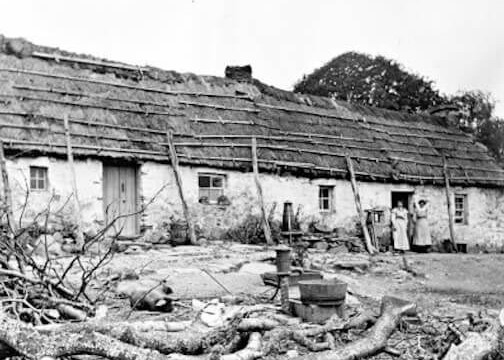

Some appreciate Highland Perthshire as no more than one of the most beautiful parts of Scotland.
More
The chiefs of Clan Menzies used to have their seat at Comrie Castle on the south bank of the river Lyon
More
Dunkeld and its cathedral were saved by the Dukes of Atholl. They were the law across 500 square miles of the Highl
More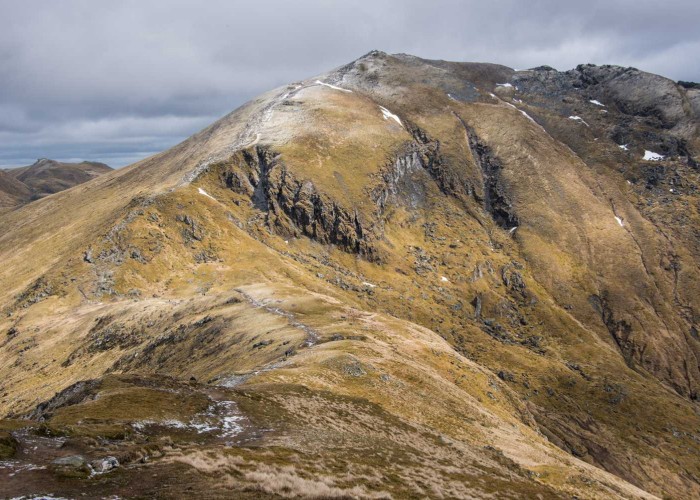
In the last few summers, Glasgow University archeologists have been exploring the mountain and have discovered t
More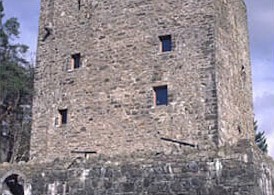
Once fortifications would have covered the site of Garth Castle but now only the central keep remains
More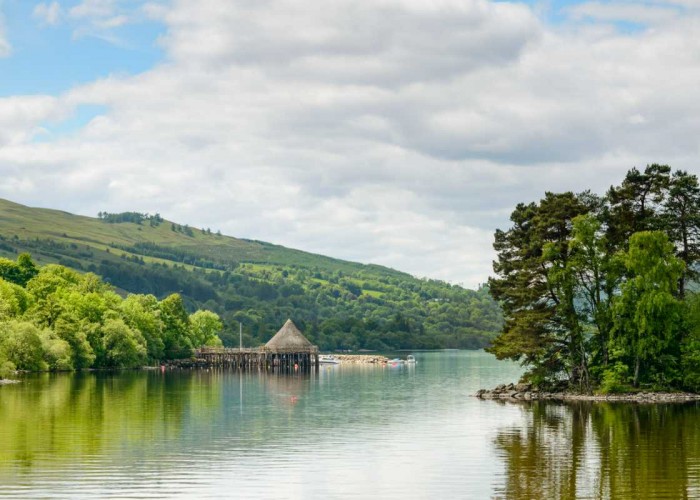
This, Scotland's sixth biggest loch, covers six and half thousand acres in its 14 miles between Kenmore and Killin. For thousan
More
The Glen was once home to over a thousand folk and on one of the best trodden thoroughfares between the western Highlands and the E
More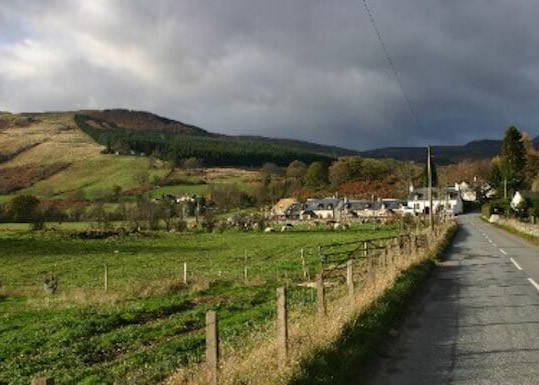
The statue to David Stewart of Garth, erected by the Stewart Society in 1925, in the uniform of a Black Watch captain
More
The double stone circle of Mary's Croft, an impressive standing stone monument in highland Perthshire
More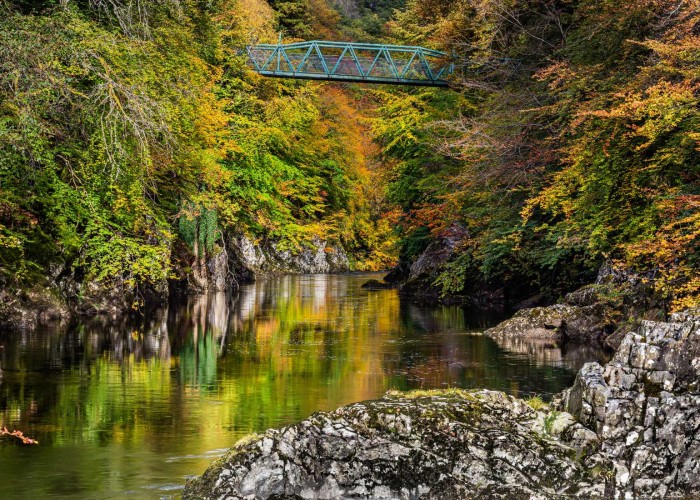


Aberfeldy is what used to be called a thriving market town. The market has long closed but the town still thrives.
More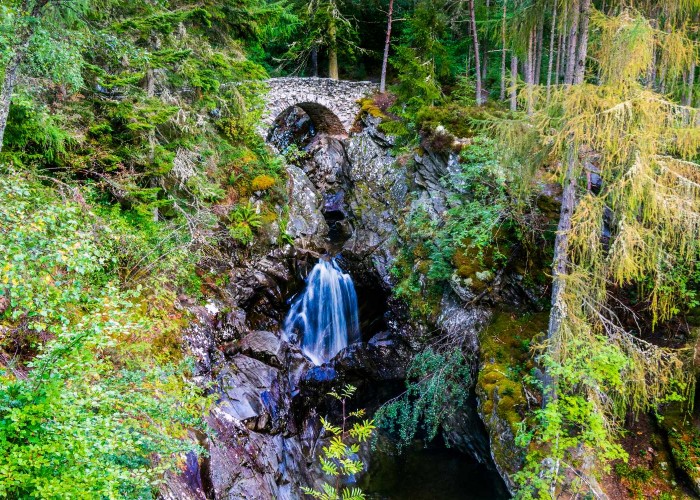
The site of the clan centre at Bruar is at the base of one of those spectacular gorges carved through soft rock by a burn in spate
More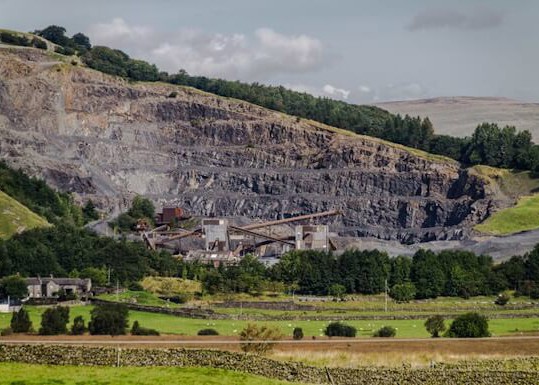
The history behind Shierglas Quarry - Set back the busy A9 road, connecting the south and north of Scotland.
More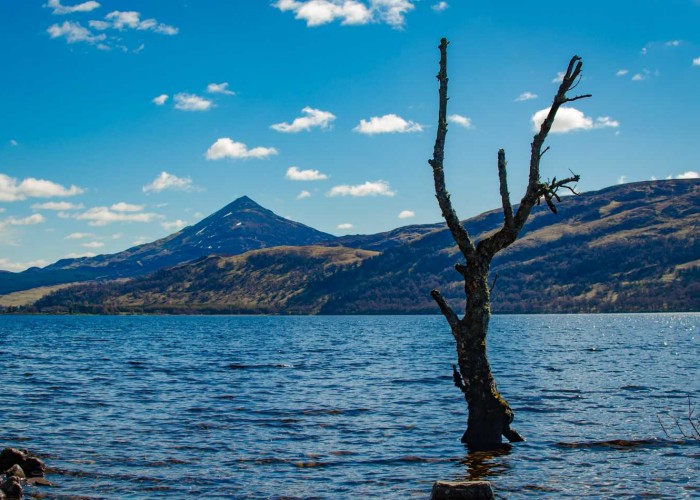
Like an island, the peak of Schiehallion stood above the ice. The millennia of frost left the shattered boulders and scree that
More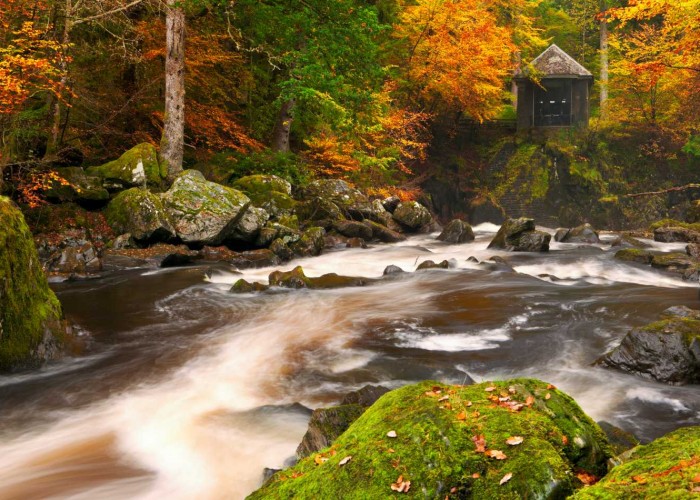
The building contained a chandelier and its walls were lined with mirrors reflecting the falls of turbulent river which was int
More
The castle, in private hands, dates from the late 1600s but doubled in size early this century.
More