
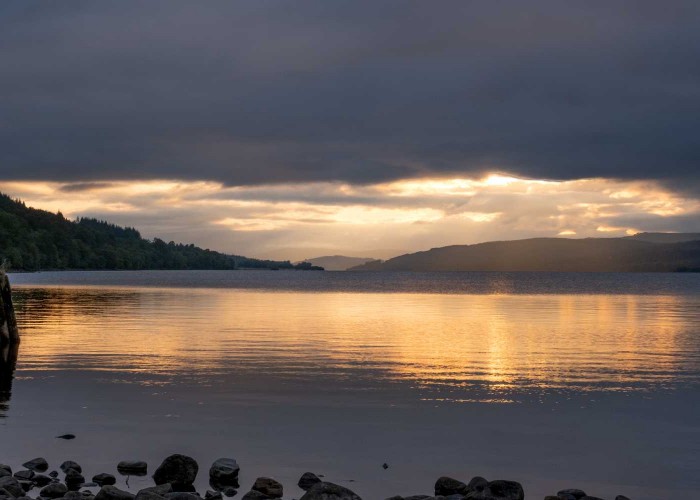
Rannoch
The village of Kinloch Rannoch was created in the period after the '45. It is a nomenclatural oddity.
MoreAlong the north face of the strath between Logierait and Aberfeldy are eleven estates whose boundaries have been largely unchanged for a thousand years, each with the classic proportion of arable fields by the river and the lower slopes of the hill, rough grazing higher up, and a substantial swathe of moorland overlooked by Farragon - the Hero in Gaelic or, if you prefer it, the Wart. The mix of land allows the owner his salmon fishing, his pheasant shooting and, on the moor, the pursuit of grouse and deer. These estates always carried a high population because limestone occurs on the hillsides and thus the soil is fertile and can grow crops at a greater altitude than is common in the Highlands.
The most important of these estates, all of them under once the superiority of the duke of Atholl, was Ballechin which stretches along the north bank of the Tay for much of the way between Logierait and Pitnacree bridge. The family who occupied it for three centuries was perhaps was the most powerful of the many Stewarts of Atholl. They were Gaelic and Highland in their culture but, having never had a chief, could not be called a clan.

The Ballechin family descend from a bastard son of James II and were the most enthusiastic of Jacobites. In Glencairn's Rising, the laird was killed by Cromwellian troops at Dunkeld in mistake for the earl of Atholl. During Dundee's campaign the head of the family, Patrick of the Battles, was the marquis's military commander, his brother chamberlain. The marquis supported the government but Patrick took Blair Castle for the rebels. The Rev Robert Stewart, minister of Balquhidder and nephew to the chamberlain, laid aside his dog collar and earned the sobriquet of Robert Mobile thanks to the speed at which he cut down government troops at the Battle of Killiecrankie.
Patrick and his sons were heavily penalised by the marquis for their rebellion but the family were out in the '15 and the '45 and were lucky to retain their heads and their bowels, let alone their estates. During the nineteenth century the laird married a Roman Catholic and built a chapel on the Tulliepowrie burn in Strathtay but the conversion brought about the family's downfall. In the subsequent generation the heir's line died out, and, of the two spares, one became Abbot of Prinknash Abbey in Gloucestershire and the other head of the Jesuits in Great Britain. Roman Catholic priests have no legitimate descendants and that was that.
In the 1890s Ballechin was let for three months to the Society for Psychical Research who had heard reports of a ghost. They published their results in The Times and one of their number followed up with a book. Not allowing themselves to be distracted by the loquacious central heating system, they heard supernatural bumps, bangs, groans, gurgles, grunts and breathing - both heavy and anguished. Nuns were observed, spectral priests mumbled mass, dogs put their hackles at unseen rivals, temperatures fluctuated and a retired colonel reported an invisible calf disturbing his rest by hurling itself at his bedroom door.
The Society tried to lease the premises the following year but the proprietor understandably found a prior booking. One concrete outcome of the summer was that the staff refused to live in the house so the laird was forced to build a detached wing for them. This is all that remains of the mansion which, riddled with rot, was pulled down in the 1960s.
Robert Stewart became minister of Killin in 1680. He neglected his religious duties and pocketed all the parish income for nearly 50 years. Consequently he was able to buy one of these creamy Strathtay estates for each of his four sons - Killiechassie, Blackhall, Clochfoldich and Derculich.
The village of Kinloch Rannoch was created in the period after the '45. It is a nomenclatural oddity.
More
Situated in the central part of Scotland, Strathtummel is within easy reach of highland Perthshire, home to historical sites and
More
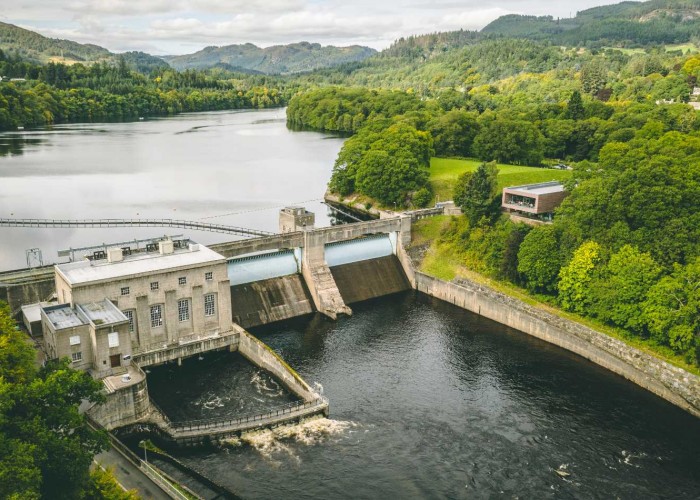
Pitlochry has kept pace with the times. Thousands come from all over the world to make this one of the most important stops on the
More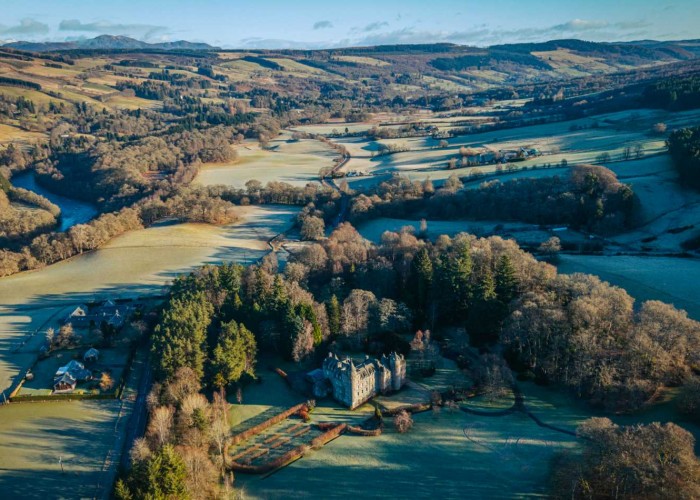

St Mary's Chapel in Grantully near Aberfeldy with a magnificent 1600s painted ceiling
More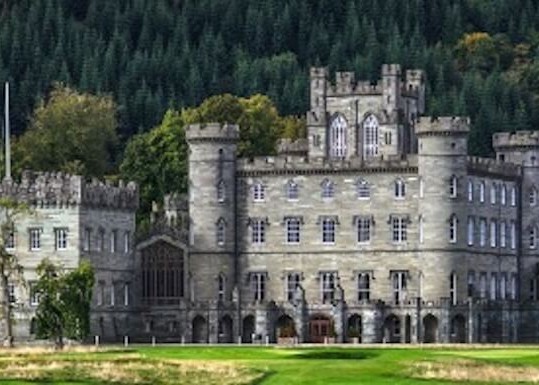
The spectacular Gothic edifice of Taymouth Castle is one of the grandest buildings in Scotland. Most was completed in 1807 by
More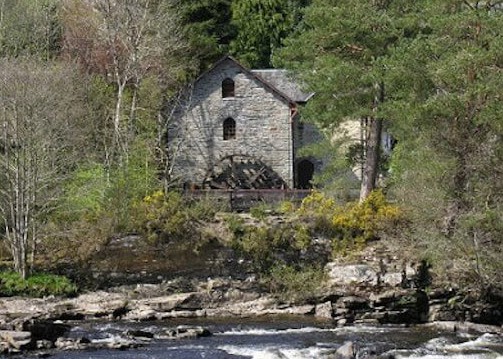
Much of what is now called Breadalbane used to be in Atholl but the incoming Campbells of Glenorchy took the name as the title of
More
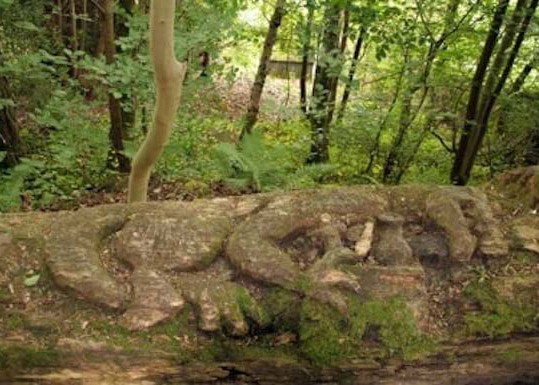
The name comes from the word 'uamh' in Gaelic which means cave. The caves are in the wooded crags above the village
More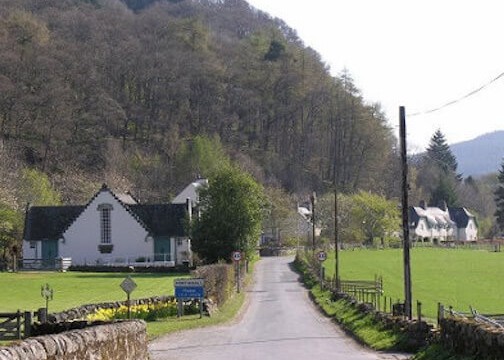
Recently crop marks have been observed much closer to the village and, although confirmation is still needed, they show signs of b
More
Dunalastair and the estate is home to rare wildlife of Perthshire with offers scenic strolls around famous gardens
More
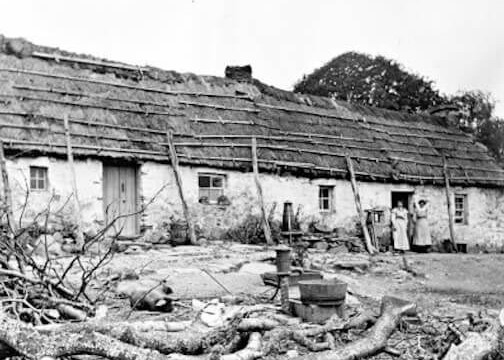

Some appreciate Highland Perthshire as no more than one of the most beautiful parts of Scotland.
More
The chiefs of Clan Menzies used to have their seat at Comrie Castle on the south bank of the river Lyon
More
Dunkeld and its cathedral were saved by the Dukes of Atholl. They were the law across 500 square miles of the Highl
More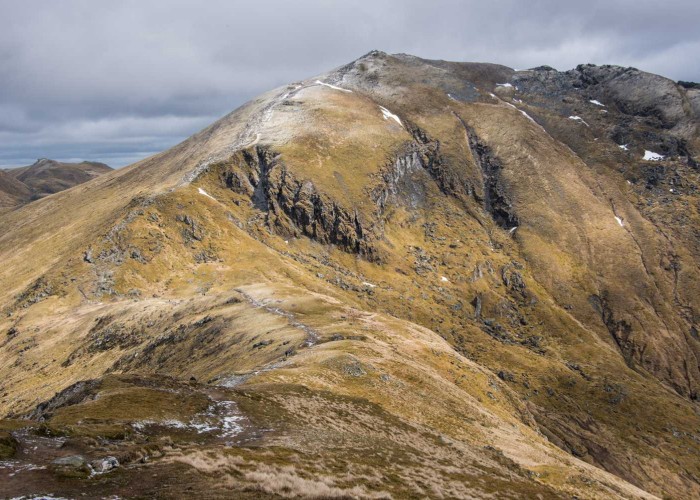
In the last few summers, Glasgow University archeologists have been exploring the mountain and have discovered t
More
Once fortifications would have covered the site of Garth Castle but now only the central keep remains
More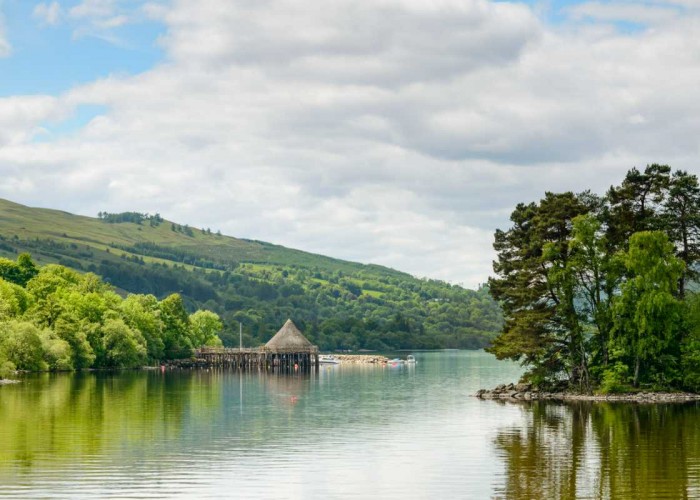
This, Scotland's sixth biggest loch, covers six and half thousand acres in its 14 miles between Kenmore and Killin. For thousan
More
The Glen was once home to over a thousand folk and on one of the best trodden thoroughfares between the western Highlands and the E
More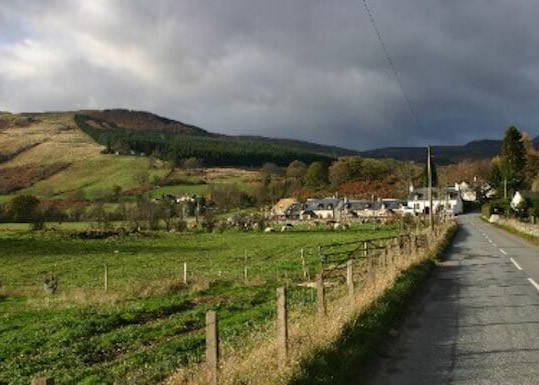
The statue to David Stewart of Garth, erected by the Stewart Society in 1925, in the uniform of a Black Watch captain
More
The double stone circle of Mary's Croft, an impressive standing stone monument in highland Perthshire
More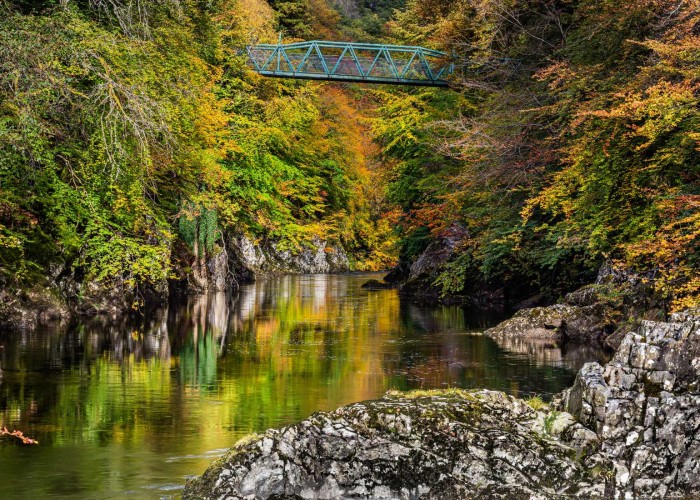

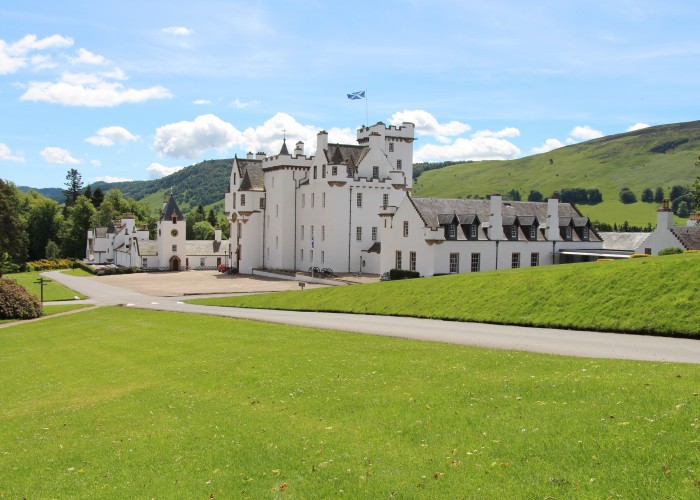

Aberfeldy is what used to be called a thriving market town. The market has long closed but the town still thrives.
More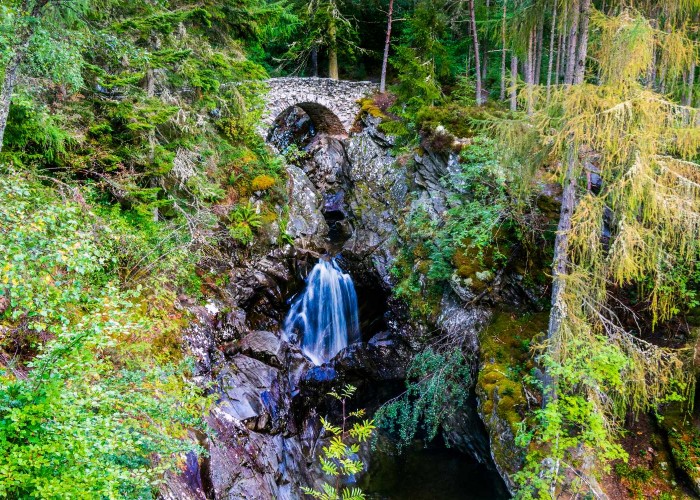
The site of the clan centre at Bruar is at the base of one of those spectacular gorges carved through soft rock by a burn in spate
More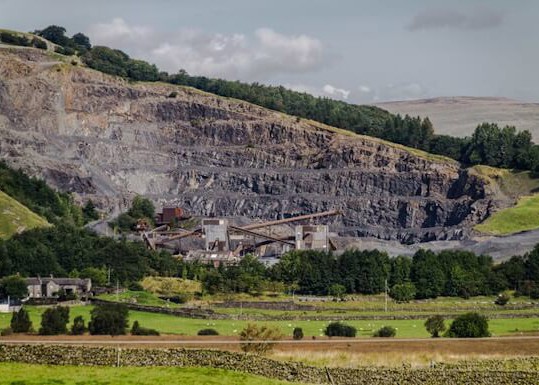
The history behind Shierglas Quarry - Set back the busy A9 road, connecting the south and north of Scotland.
More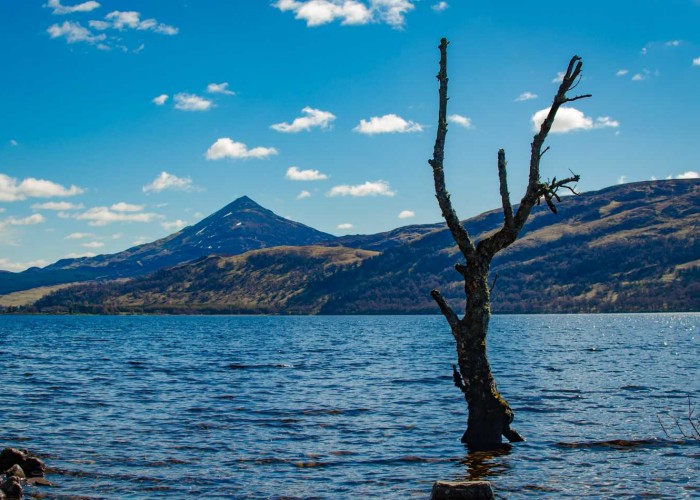
Like an island, the peak of Schiehallion stood above the ice. The millennia of frost left the shattered boulders and scree that
More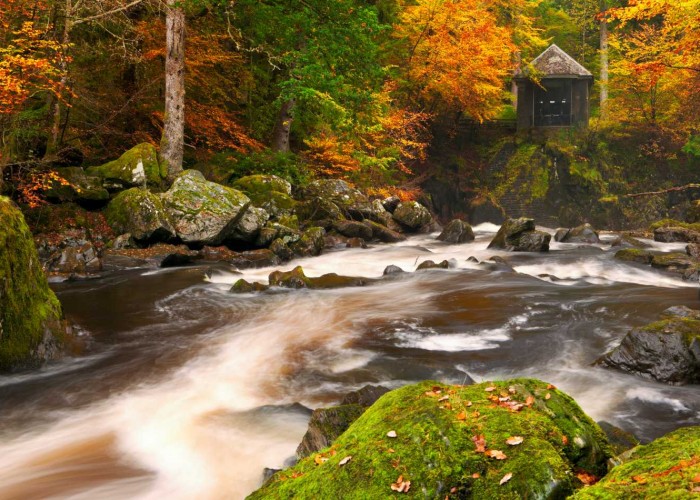
The building contained a chandelier and its walls were lined with mirrors reflecting the falls of turbulent river which was int
More
The castle, in private hands, dates from the late 1600s but doubled in size early this century.
More