
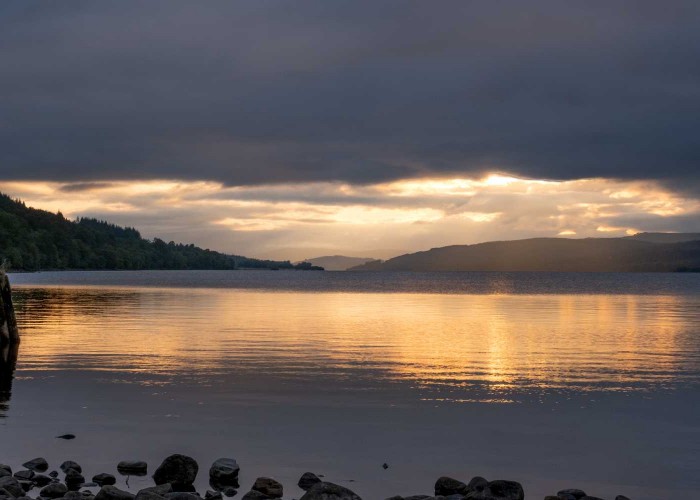
Rannoch
The village of Kinloch Rannoch was created in the period after the '45. It is a nomenclatural oddity.
MoreThe north side of the loch is dominated by Ben Lawers. At 3,984 feet, it is Perthshire's tallest mountain but a maddening 16 feet short of joining the expanding number of Scottish peaks - now nine - over 4,000 feet. It was up there with them once. In the nineteenth century a patriotic son of Perthshire, Malcolm Ferguson, raised a 16 foot-high cairn on the peak. But the frost and winter blizzards that sweep the high tops between here and Loch Rannoch have ground off all but a small scatter of stones. Lawers is a remarkable hill, in summer only a bracing walk to climb. Its complex Alpine flora, unique in Scotland, only just survived the Victorian plant collectors. On a clear day from its summit you can see Arthur's Seat to the east and Ailsa Craig off Ayrshire to the west and, of course, Ben Nevis.
In the last few summers, Glasgow University archeologists have been exploring the mountain and have discovered the remains of scores of little houses, ranging from the bronze age to the nineteenth century and reaching above the 3,000 foot contour line. Limestone underlies much of the surrounds of Loch Tay which creates sweet grass facing south to the sun.
Drummond Hill - Drummond comes from the Gaelic dromainn which means a ridge - used to have little farms upon it but was planted by the Breadalbanes in 1754 and was the first planned forestry plantation in Scotland. In the nineteenth century the marquis reintroduced the capercaillie to Drummond Hill. There are still a few of these turkey-size grouse around but they are trembling on the verge of extinction once again since, rather than fly over deer fences, they will try to fly through them with deleterious results. This same marquis stocked the lands round Taymouth with buffaloes, zebras and wildebeest and then invited his guests to shoot them. Some years ago a buffalo skull with a brace of bullet holes in its head surfaced from the Tay.
'Cuimhnichibh na Doine o'n d'thainig sibh' (Remember the men from whom you have come) is the Gaelic tag carved on the statue of David Stewart at Keltneyburn. The lives of the many thousands of people whose remains fill the little burial grounds scattered across this, their country, were hard and dangerous compared with ours but filled with a rich culture of poetry, music and a spirituality that flourished here for a thousand years. Few descendants of those countless generations are left in these straths and even fewer retain the link to the land. But, just as their landscape was created by their Pictish predecessors, so the Gaels have bequeathed theirs to us. We should honour them and remember them. Perhaps our successors will accord us the same recognition.
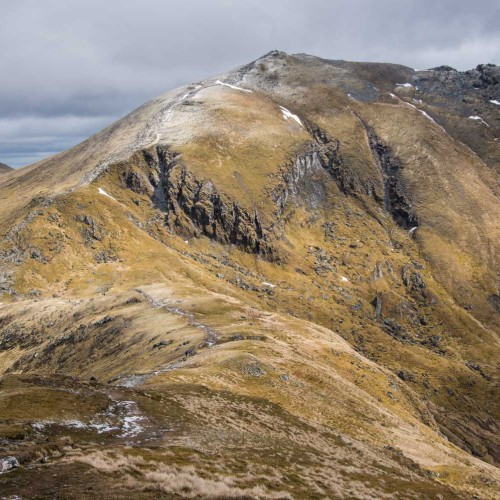
The village of Kinloch Rannoch was created in the period after the '45. It is a nomenclatural oddity.
More
Situated in the central part of Scotland, Strathtummel is within easy reach of highland Perthshire, home to historical sites and
More
Along the north face of the strath between Logierait and Aberfeldy are eleven estates whose boundaries have been largely unchanged
More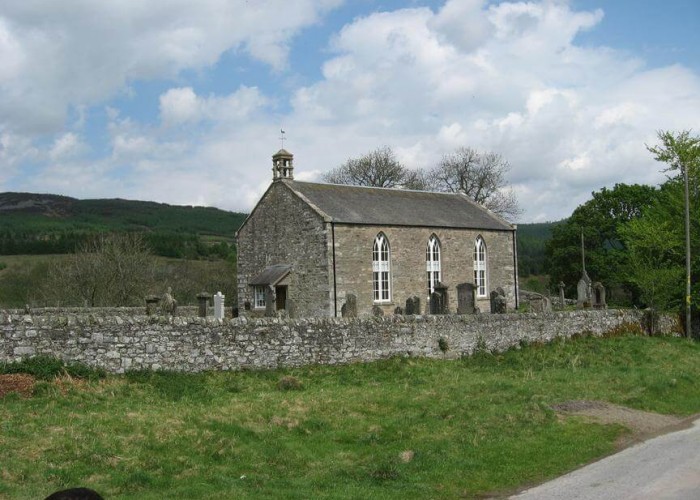

The film location of the fictional stone circle called Craigh na Dun, where Claire travels back in time.
More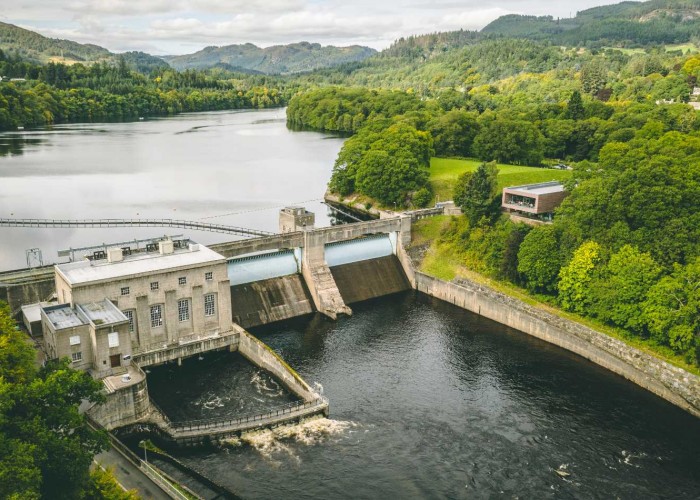
Pitlochry has kept pace with the times. Thousands come from all over the world to make this one of the most important stops on the
More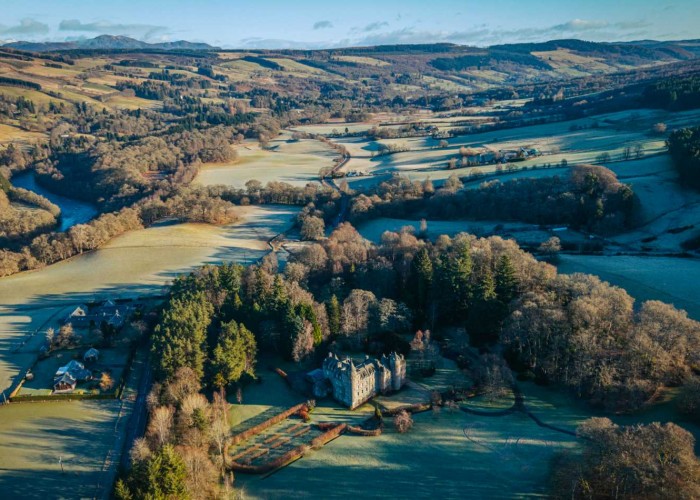

St Mary's Chapel in Grantully near Aberfeldy with a magnificent 1600s painted ceiling
More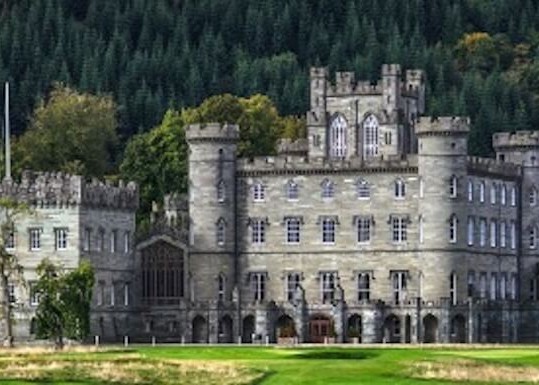
The spectacular Gothic edifice of Taymouth Castle is one of the grandest buildings in Scotland. Most was completed in 1807 by
More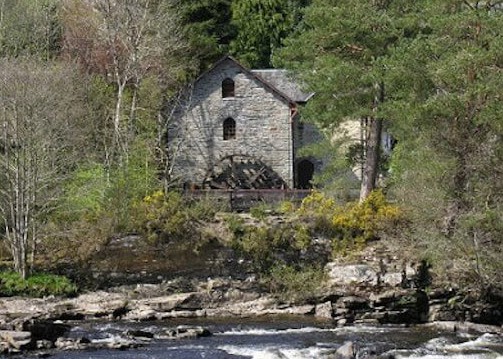
Much of what is now called Breadalbane used to be in Atholl but the incoming Campbells of Glenorchy took the name as the title of
More
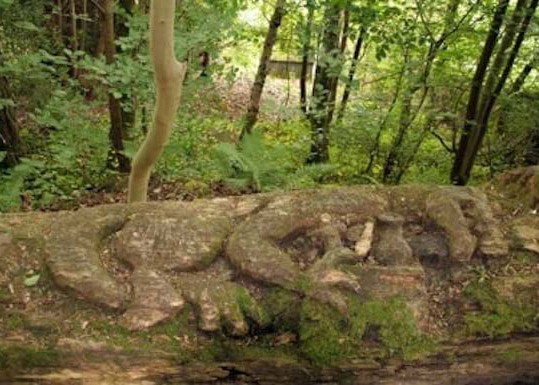
The name comes from the word 'uamh' in Gaelic which means cave. The caves are in the wooded crags above the village
More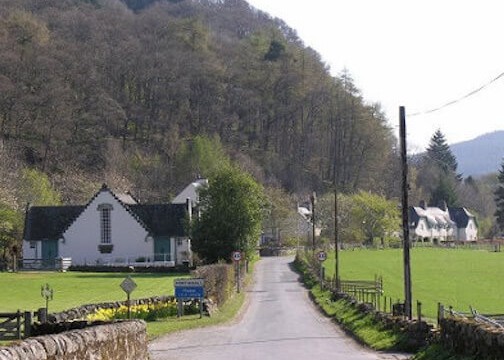
Recently crop marks have been observed much closer to the village and, although confirmation is still needed, they show signs of b
More
Dunalastair and the estate is home to rare wildlife of Perthshire with offers scenic strolls around famous gardens
More
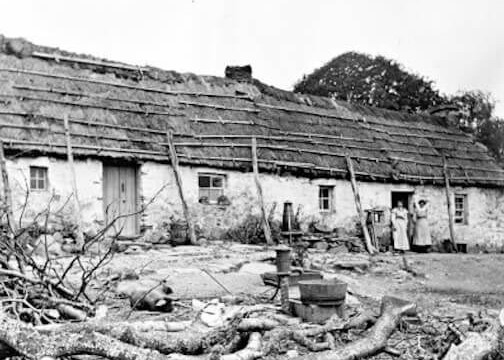

Some appreciate Highland Perthshire as no more than one of the most beautiful parts of Scotland.
More
The chiefs of Clan Menzies used to have their seat at Comrie Castle on the south bank of the river Lyon
More
Dunkeld and its cathedral were saved by the Dukes of Atholl. They were the law across 500 square miles of the Highl
More
Once fortifications would have covered the site of Garth Castle but now only the central keep remains
More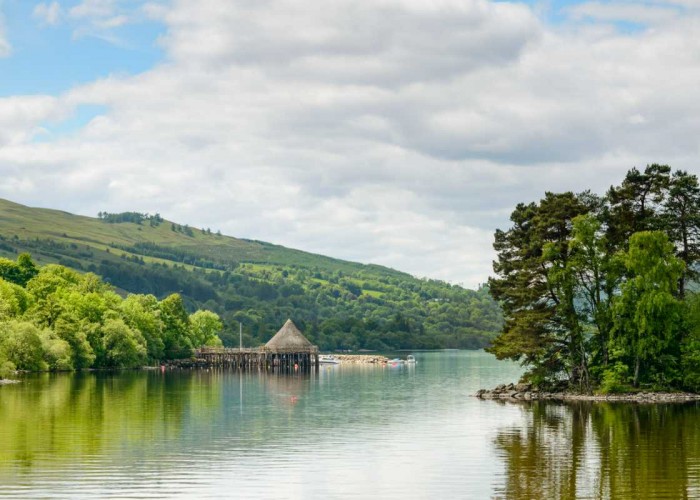
This, Scotland's sixth biggest loch, covers six and half thousand acres in its 14 miles between Kenmore and Killin. For thousan
More
The Glen was once home to over a thousand folk and on one of the best trodden thoroughfares between the western Highlands and the E
More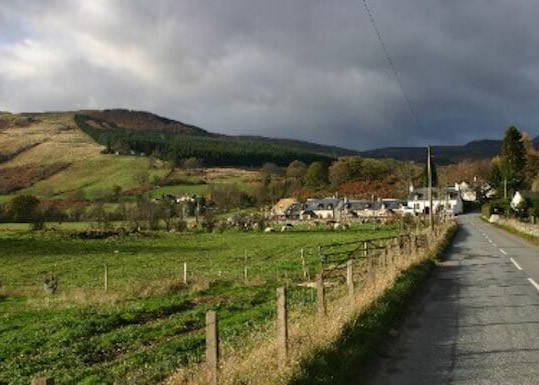
The statue to David Stewart of Garth, erected by the Stewart Society in 1925, in the uniform of a Black Watch captain
More
The double stone circle of Mary's Croft, an impressive standing stone monument in highland Perthshire
More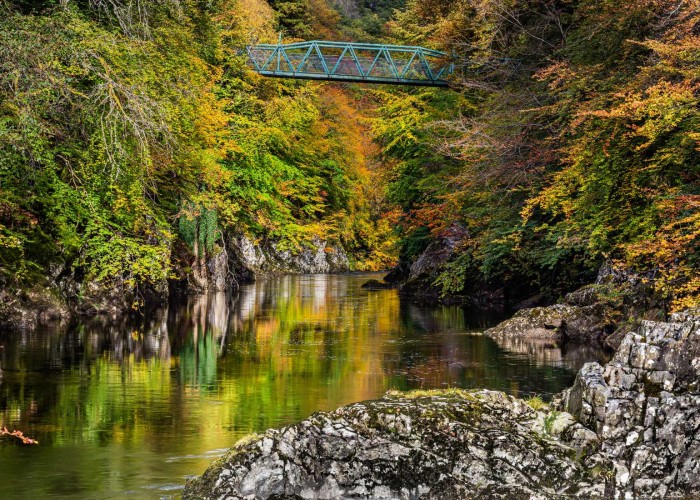

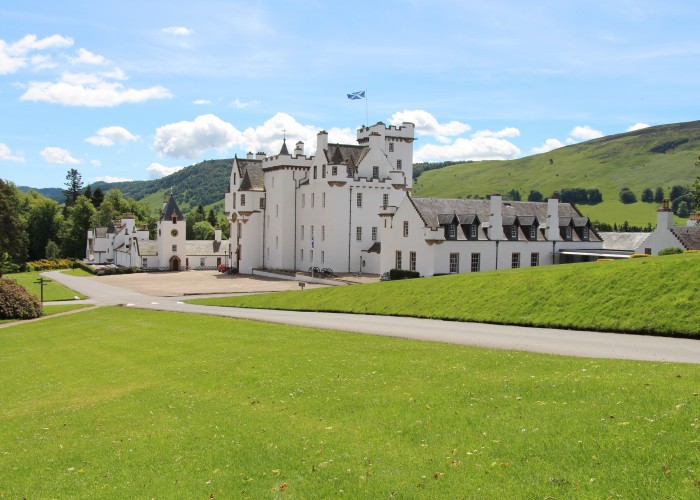

Aberfeldy is what used to be called a thriving market town. The market has long closed but the town still thrives.
More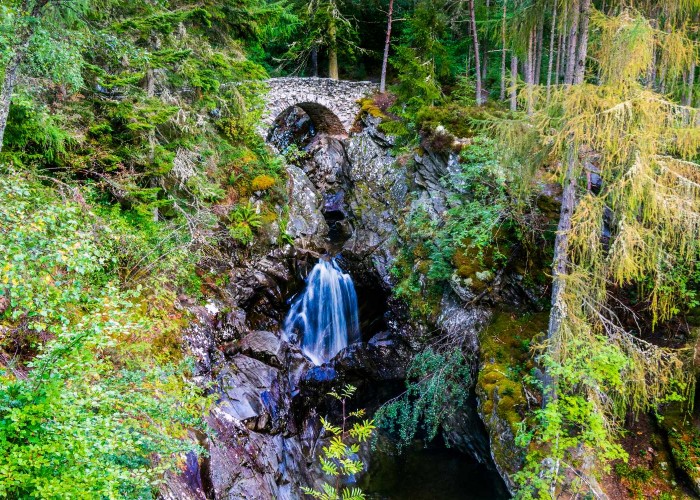
The site of the clan centre at Bruar is at the base of one of those spectacular gorges carved through soft rock by a burn in spate
More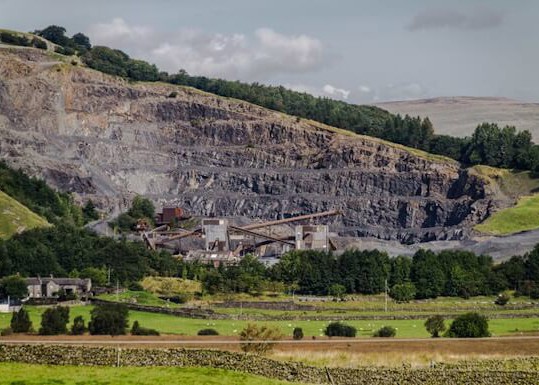
The history behind Shierglas Quarry - Set back the busy A9 road, connecting the south and north of Scotland.
More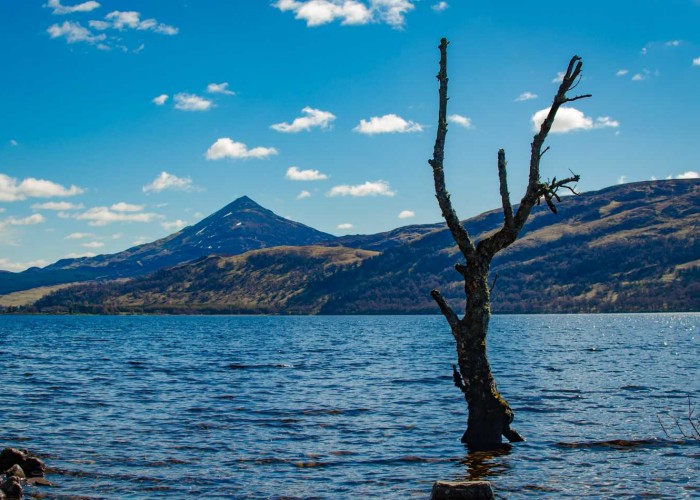
Like an island, the peak of Schiehallion stood above the ice. The millennia of frost left the shattered boulders and scree that
More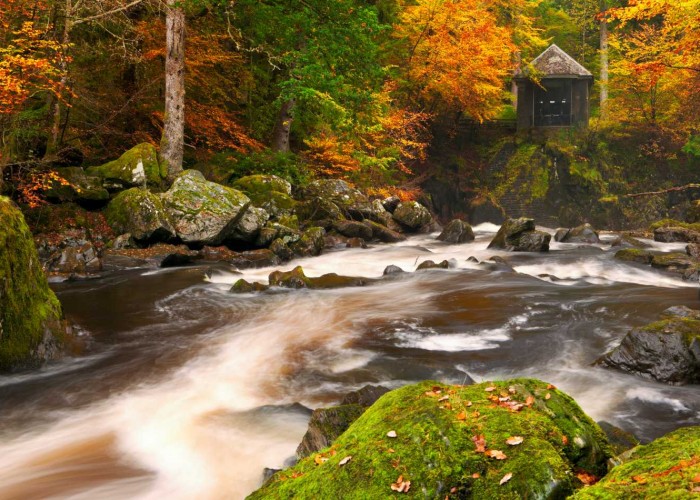
The building contained a chandelier and its walls were lined with mirrors reflecting the falls of turbulent river which was int
More
The castle, in private hands, dates from the late 1600s but doubled in size early this century.
More