

The A9 follows the glacial valley north into the Highlands, a rare pathway against the natural grain of the landscape. Like limbs from the trunk of a tree, three straths branch off to the west from the line taken by the railway and the road. The first, the strath of the river Braan, stretches west from Dunkeld and is scarcely noticeable. This is the smallest and least populous of the three. With travel restricted to footpaths and drovers' tracks it remained remote until the 19th century and one of the last strongholds of Perthshire Gaelic. About five miles up the Braan from Dunkeld, Wade's road from Crieff to Dalnacardoch runs north up Glen Cochil on its track between Amulree and Taybridge.
In 579 missionaries were dispatched to the peoples along the Tay and at the Pictish capital Dunkeld - which means the fort of the Caledonians - a religious foundation was established. The original monastery would have been a scattering of wood and thatch huts, each with its Culdee monk of the old Celtic church. Stone was first used to build on this site when Kenneth McAlpine rebuilt the abbey as his country's religious centre. Thus the abbot became first churchman of the realm. These Celtic primates were great men and one, Crinan, was father of King Duncan, murdered by Macbeth, and grandfather of Malcolm Canmore.
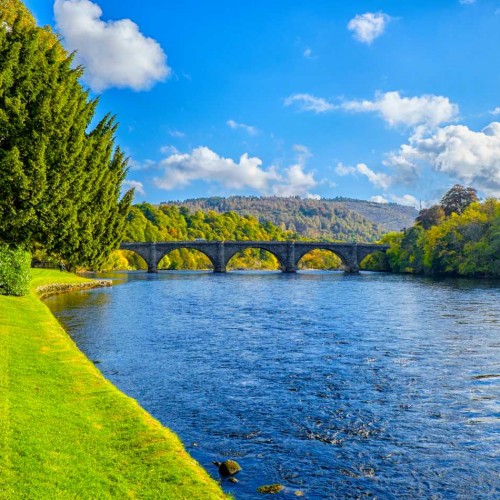
When Roman Catholicism became the state religion the abbey received a cathedral charter and the abbot became a bishop. The fat estates of the bishopric were an irresistible target for the clans to the north. The Robertsons, their own chief descended from Abbot Crinan, were the prime culprits which was understandable since tracts of the episcopal lands had once belonged to them. In the time of King James II the bishop detained one of the clansmen. The chief and his henchmen descended upon the cathedral during Whitsunday Mass and the bishop had to clamber up and hide amid the beams of the roof to avoid a shower of arrows.
In 1515 the earl of Atholl wished his brother to be the bishop. The Queen and the Pope preferred Gavin Douglas. The latter proceeded to his seat to be installed by his canons in the Dean's house in the town. The cathedral was occupied by the disappointed candidate and he made manifest his disappointment by punctuating the ceremony with artillery fire from the top of the tower.
At the Reformation in 1560 the cathedral was ransacked. The Privy Council ordered the destruction of idolatrous images and other symptoms of Catholicism but its agents went further, sacking the interior and stripping the roof of the nave. The great building languished until 1600 when a local laird re-roofed the choir for use as the parish church.

Dunkeld and its cathedral were saved by the Dukes of Atholl. They were the law across 500 square miles of the Highlands and the town was their administrative centre. The little houses we see today replaced the old village. The cathedral had its roof repaired in 1698 but it remained in a woeful state until 1762 when it received a grant of £300 from the government, the first example of such largess from the state, to assist repairs. Major work took place in 1815 and, in 1908 came the complete restoration of the choir. Shipping magnate and local MP Sir Donald Currie had been ill. Upon recovery he asked his devoted nurse, Margaret Rutherford whose father was the minister, what she would like as a gift to express his gratitude for her services. Do up the cathedral, was her reply. Sir Donald manfully complied and his bust is appropriately housed within a tomb originally designed for a member of the superseded Atholl patrons. In 1926 the nave, tower and grounds were given by the Atholls to the Ministry of Works, now Historic Scotland, and in 1931 they gave the Choir and Chapter House to the Church of Scotland.
Wade came north briefed to subdue the clans and prevent another rebellion. Given better leadership, the government was well aware that the Rising of 1715 could have toppled the throne. The general's solution was to have his troops build roads good enough to cart cannon into the heart of the Highlands which would give short shrift to any mutinous chief. His was hardly a role likely to endear him to the Jacobite lairds.
In spite of this he achieved great popularity amongst those one would expect to be his enemies. The poet chief of Clan Donnachaidh, Alexander Robertson, who was unique in being out in the three great Risings of 1689, 1715 and 1745, even composed and recited a poem to Wade to mark the opening of Taybridge at Aberfeldy. It is not one of his best - the king is 'perplexed till he is told, That Wade was skilful, and that Wade was bold.' - but it is the sentiment from such a quarter that is remarkable.
Road building was a seasonal occupation. One spring towards the end of his time in Scotland the general, a tall man, horrified the locals by picking up a golden guinea - worth 18 oranges, 18 bottles of claret, or a month's wages - which was lying on top of the standing stone, since known as the Wade Stone, sited on the edge of the north carriageway of the A9 just north of Dalnacardoch. Wade explained that he had left it there the year before for safekeeping. Still quoted in the Highlands is the couplet 'If you knew these roads before they were made, you would bless the name of General Wade.'
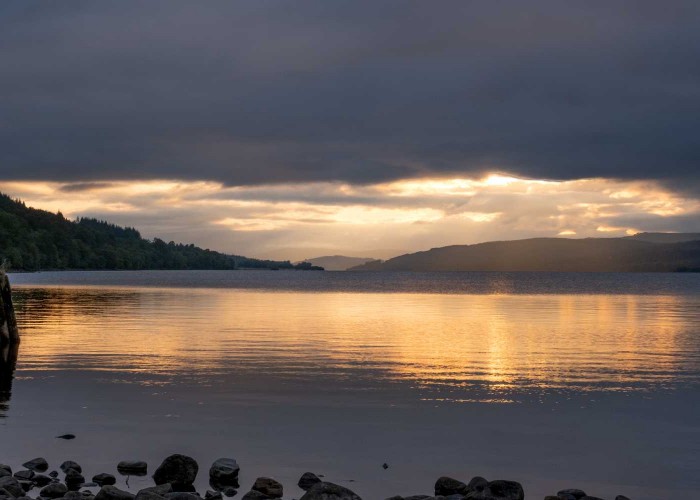
The village of Kinloch Rannoch was created in the period after the '45. It is a nomenclatural oddity.
More
Situated in the central part of Scotland, Strathtummel is within easy reach of highland Perthshire, home to historical sites and
More
Along the north face of the strath between Logierait and Aberfeldy are eleven estates whose boundaries have been largely unchanged
More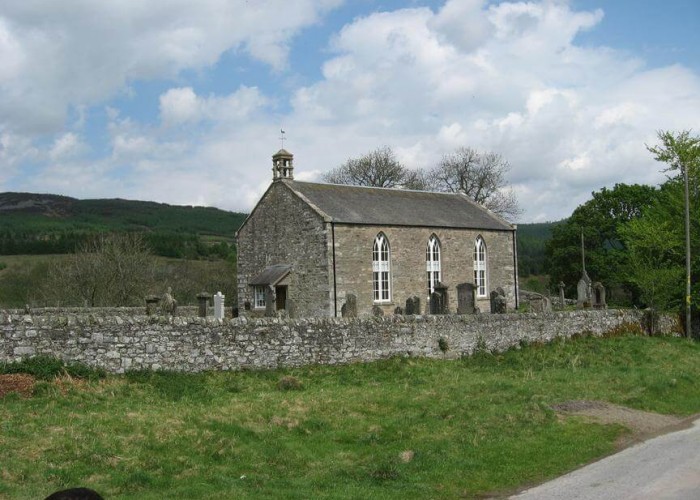

The film location of the fictional stone circle called Craigh na Dun, where Claire travels back in time.
More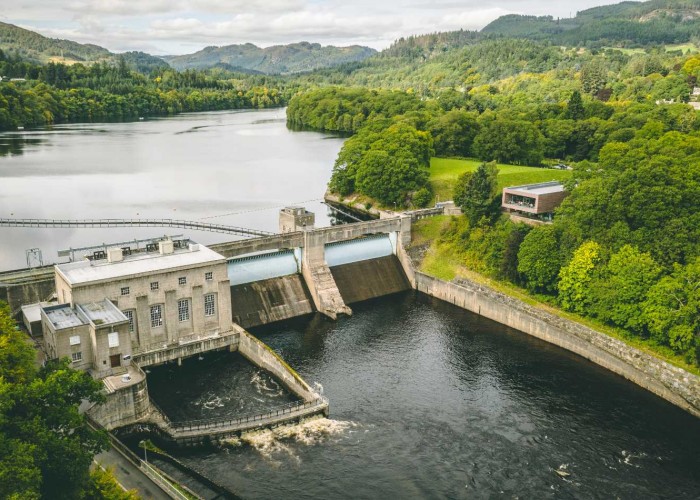
Pitlochry has kept pace with the times. Thousands come from all over the world to make this one of the most important stops on the
More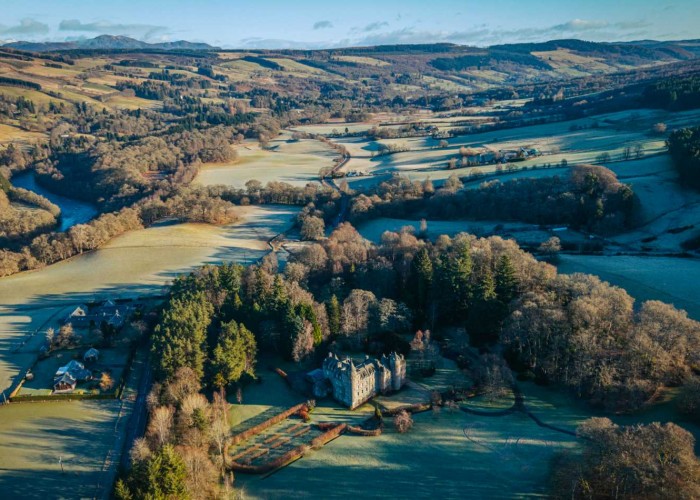

St Mary's Chapel in Grantully near Aberfeldy with a magnificent 1600s painted ceiling
More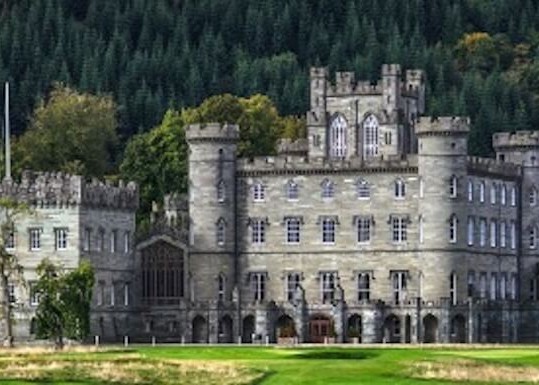
The spectacular Gothic edifice of Taymouth Castle is one of the grandest buildings in Scotland. Most was completed in 1807 by
More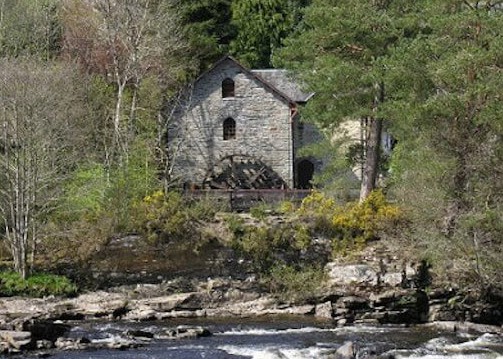
Much of what is now called Breadalbane used to be in Atholl but the incoming Campbells of Glenorchy took the name as the title of
More
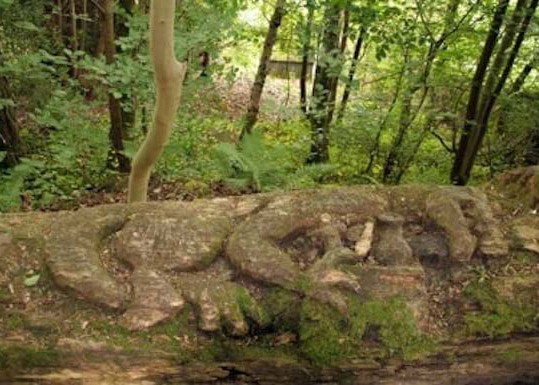
The name comes from the word 'uamh' in Gaelic which means cave. The caves are in the wooded crags above the village
More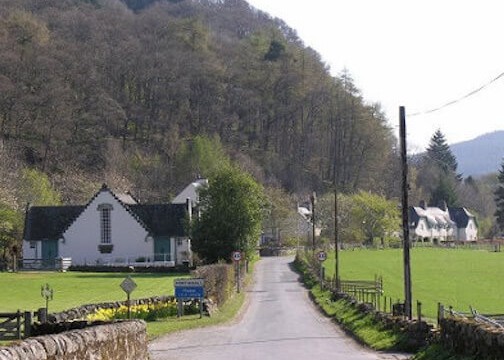
Recently crop marks have been observed much closer to the village and, although confirmation is still needed, they show signs of b
More
Dunalastair and the estate is home to rare wildlife of Perthshire with offers scenic strolls around famous gardens
More
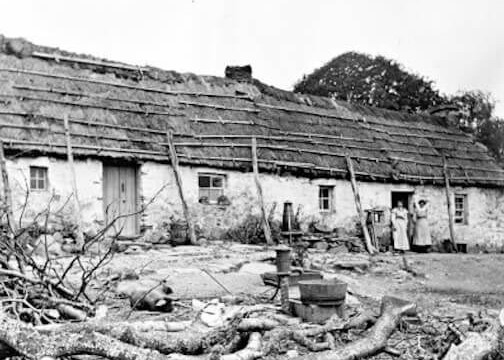

Some appreciate Highland Perthshire as no more than one of the most beautiful parts of Scotland.
More
The chiefs of Clan Menzies used to have their seat at Comrie Castle on the south bank of the river Lyon
More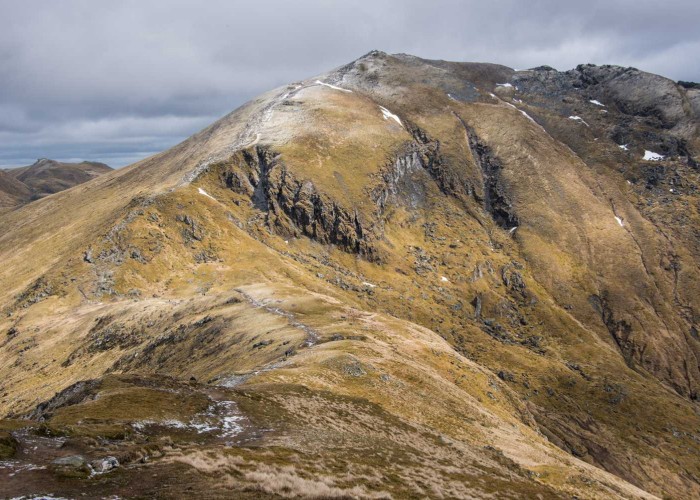
In the last few summers, Glasgow University archeologists have been exploring the mountain and have discovered t
More
Once fortifications would have covered the site of Garth Castle but now only the central keep remains
More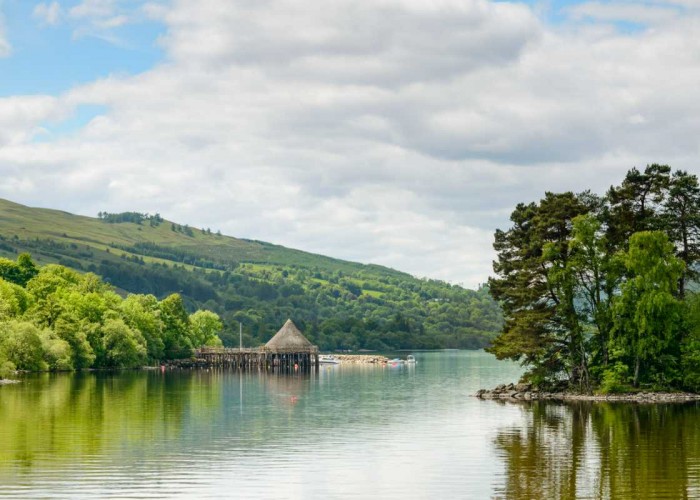
This, Scotland's sixth biggest loch, covers six and half thousand acres in its 14 miles between Kenmore and Killin. For thousan
More
The Glen was once home to over a thousand folk and on one of the best trodden thoroughfares between the western Highlands and the E
More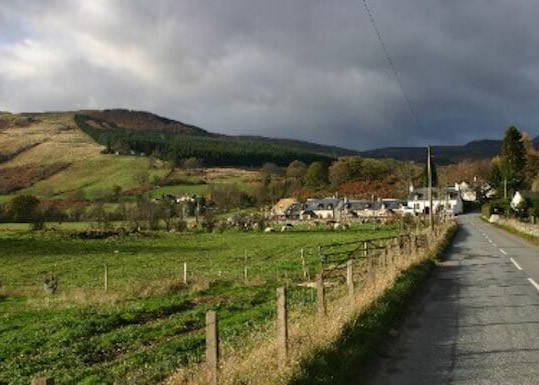
The statue to David Stewart of Garth, erected by the Stewart Society in 1925, in the uniform of a Black Watch captain
More
The double stone circle of Mary's Croft, an impressive standing stone monument in highland Perthshire
More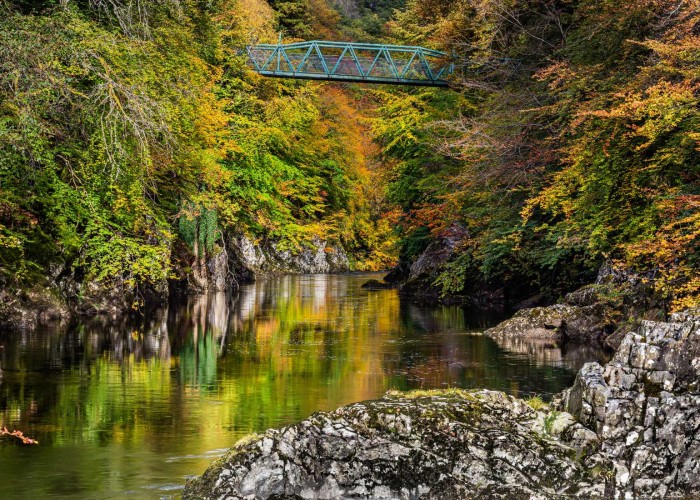

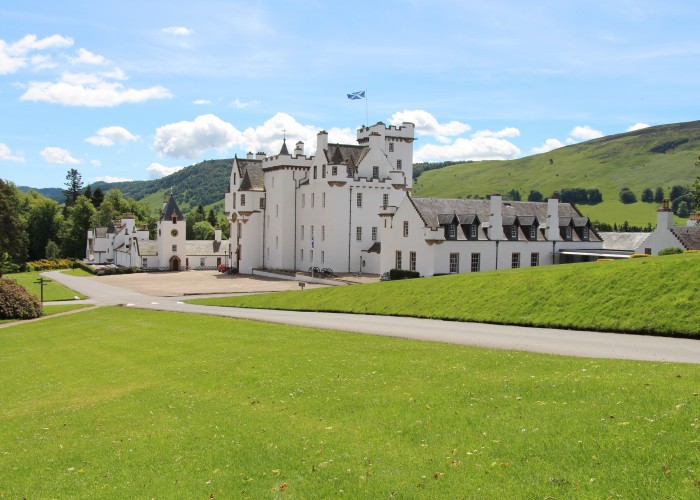

Aberfeldy is what used to be called a thriving market town. The market has long closed but the town still thrives.
More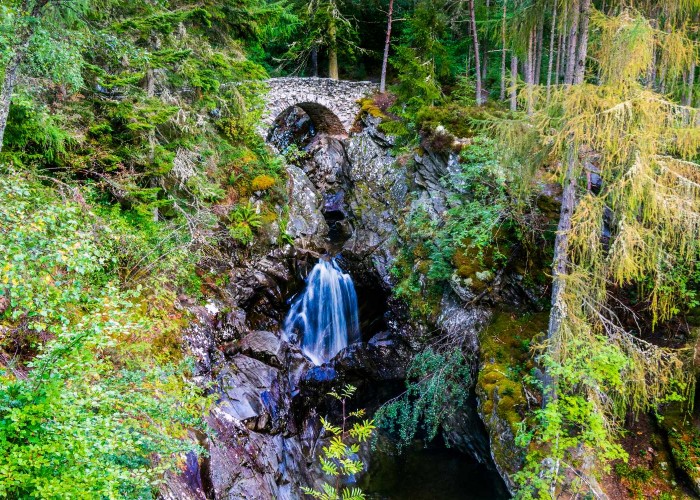
The site of the clan centre at Bruar is at the base of one of those spectacular gorges carved through soft rock by a burn in spate
More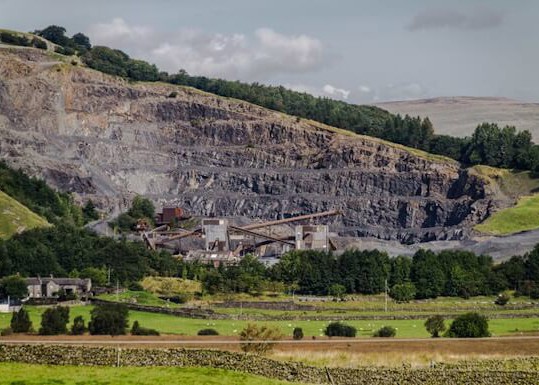
The history behind Shierglas Quarry - Set back the busy A9 road, connecting the south and north of Scotland.
More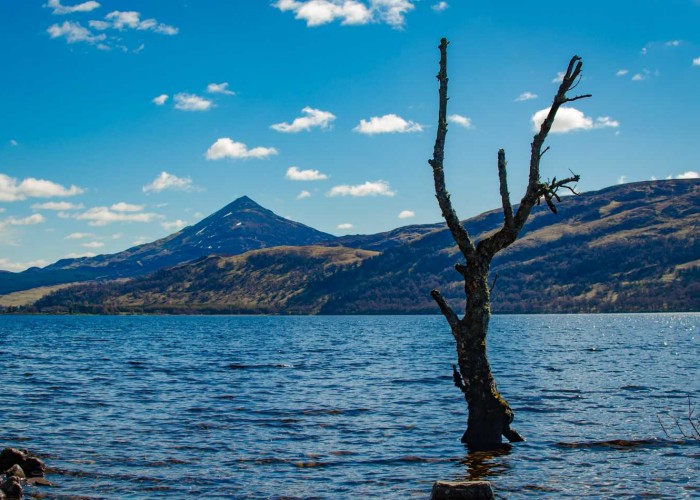
Like an island, the peak of Schiehallion stood above the ice. The millennia of frost left the shattered boulders and scree that
More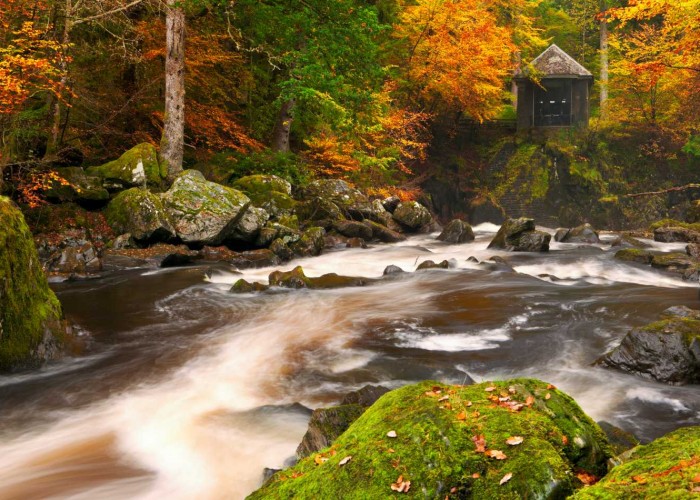
The building contained a chandelier and its walls were lined with mirrors reflecting the falls of turbulent river which was int
More
The castle, in private hands, dates from the late 1600s but doubled in size early this century.
More