

Although at some time or another most glens, hills, and straths round here would have echoed with the 'sullen and hollow' clank of sword against sword and the screams of the wounded and dying, a couple of miles north of Pitlochry the A9 strides across the most famous battlefield in Highland Perthshire. The battle was at the start of the chaotic Highland War which dragged on for several years after Catholic James VII's abandonment of the throne and the arrival of the Protestant William of Orange. John Graham, Viscount Dundee, rejected the Scottish Estates' decision to accept William as king, and made himself the first Jacobite by raising the standard for the deposed Stuart monarch.
At the end of July 1689 a government army hurried north after it was reported that Dundee was recruiting amongst the Athollmen and that Blair Castle was in the hands of rebels. The Highlanders were waiting for the redcoats just north of the pass of Killiecrankie - the name means wood of the Picts. For much of a hot July day the redcoats were lined up in defensive formation on a patch of flat ground just above Urrard House. They could not retreat since they would have been cut to pieces when they went back through the gorge. The rebel army was massed on the heights of Craig Eallaich and Dundee waited until the sun had descended behind the hills and was no longer in the eyes of his men before launching the Highland charge.
The stories of the battle say that the clansmen fought naked. After sitting on a bare hillside throughout much of a hot afternoon, it would have been surprising if they were still wearing their bulky plaids but the shirt they wore beneath would have preserved most of their modesty. Not even Highlanders would wish to charge into battle through bracken, heather and thistles without some sort of fig leaf to protect and contain their vitals.
The rebels waited until they were near to the 'very bosoms' of their enemy before firing a musket volley and after this 'great clap of thunder, they threw away their guns and fell pell-mell amongst the thickest of their opponents with their broad-swords.'
The execution amongst the attackers when the redcoats fired their own volley was equalled by the butchery of the Highlanders' blades. Without an effective bayonet, the regular troops had little to counter the broadsword. Half of the government army managed to stand its ground and make an orderly withdrawal, half fled back through the pass in precipitate retreat being harried as far as Perth by the victorious Highlanders and bands of other Athollmen who had not participated in the battle.
A horrifying account of the battle and of the nature of the weapon that Highlanders used survives from a government officer. 'Many of General McKay's officers and soldiers were cut down through the skull and neck to the breast: others had their skulls cut above their ears like night caps; some soldiers had both their bodies and cross belts cut through at one blow.'
The National Trust Visitor Centre at Killiecrankie is the entrance to the path that follows the old road through the Pass and gives some idea of how formidable an impediment to communications the geography of the Highlands used to create. Along the river are the Soldier's Leap, where one redcoat's fear gave him wings across the turbulent rapids, and the spot were the Rev. Robert Stewart hacked Brigadier Balfour to death. At the end of the battle the steel basketwork of the hilt of the minister's sword had to be cut away by a blacksmith before he could extricate his hand.
Nowadays the vegetation of the Pass is unusual because the woodlands have changed little over the centuries and today still regenerate naturally. Hares and deer, particularly red deer, devastate the tree cover in the Highlands but Killiecrankie has retained its predators. Although not as romantic as wolves, the combination of the railway, the B8079, and the A9 do just as efficient a job in controlling browsers.
Killicrankie Visitor Centre & Jacobite Cafe
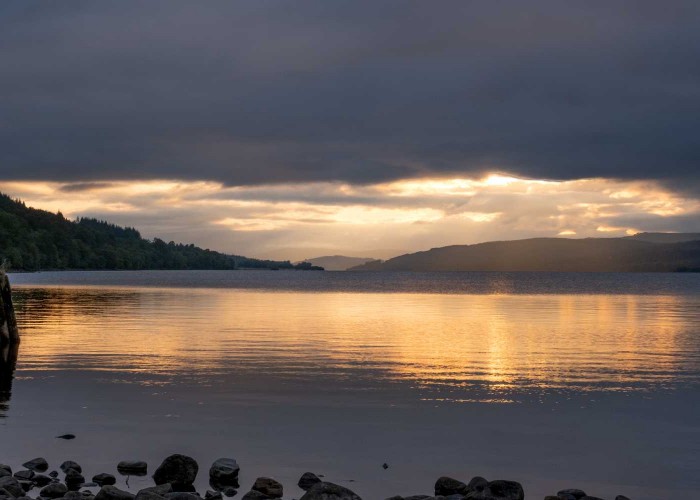
The village of Kinloch Rannoch was created in the period after the '45. It is a nomenclatural oddity.
More
Situated in the central part of Scotland, Strathtummel is within easy reach of highland Perthshire, home to historical sites and
More
Along the north face of the strath between Logierait and Aberfeldy are eleven estates whose boundaries have been largely unchanged
More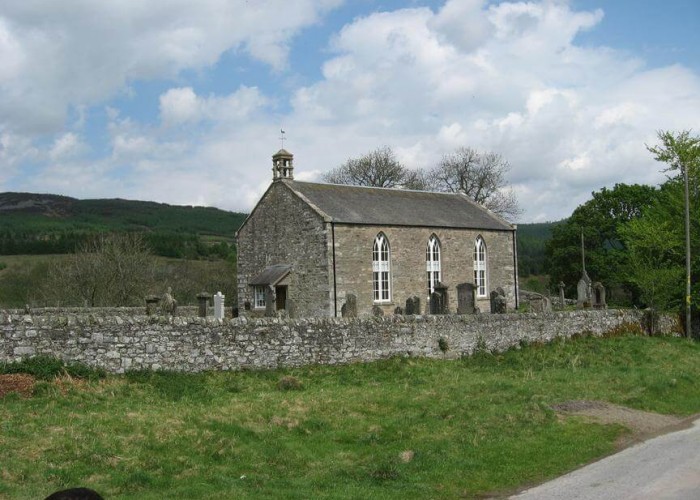

The film location of the fictional stone circle called Craigh na Dun, where Claire travels back in time.
More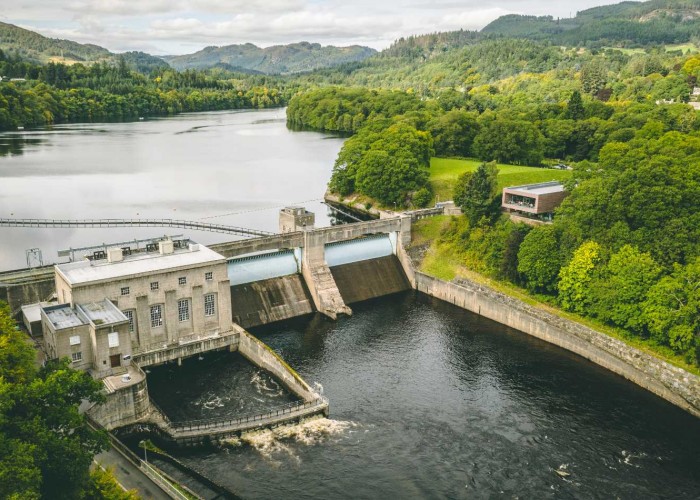
Pitlochry has kept pace with the times. Thousands come from all over the world to make this one of the most important stops on the
More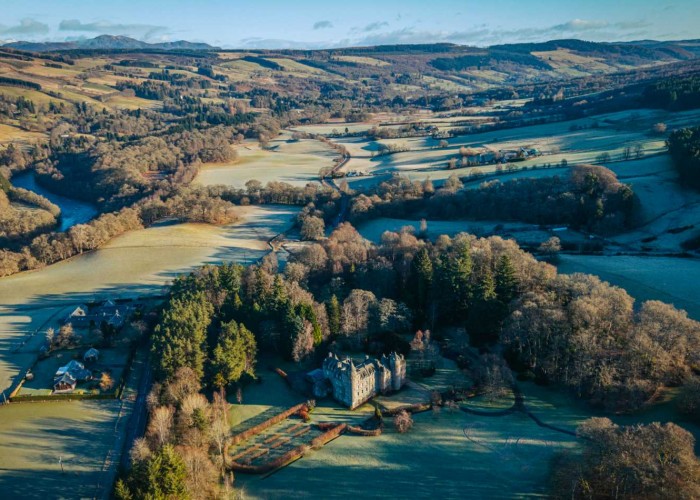

St Mary's Chapel in Grantully near Aberfeldy with a magnificent 1600s painted ceiling
More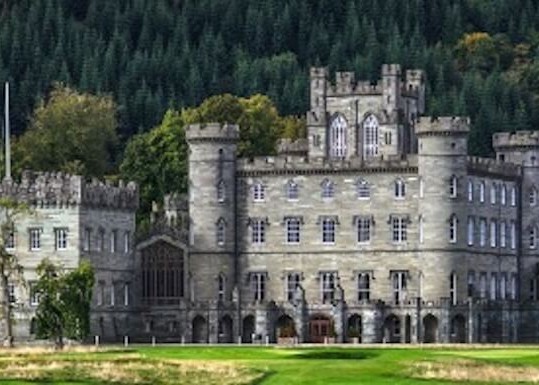
The spectacular Gothic edifice of Taymouth Castle is one of the grandest buildings in Scotland. Most was completed in 1807 by
More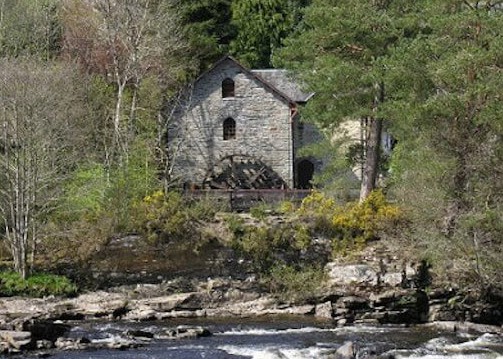
Much of what is now called Breadalbane used to be in Atholl but the incoming Campbells of Glenorchy took the name as the title of
More
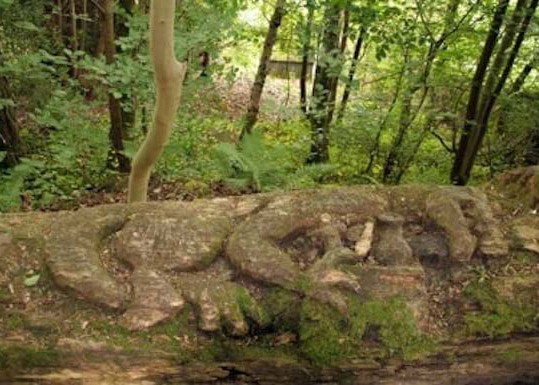
The name comes from the word 'uamh' in Gaelic which means cave. The caves are in the wooded crags above the village
More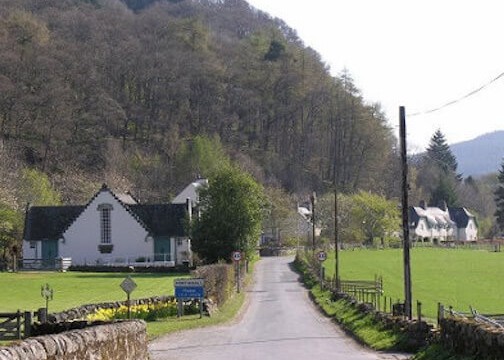
Recently crop marks have been observed much closer to the village and, although confirmation is still needed, they show signs of b
More
Dunalastair and the estate is home to rare wildlife of Perthshire with offers scenic strolls around famous gardens
More
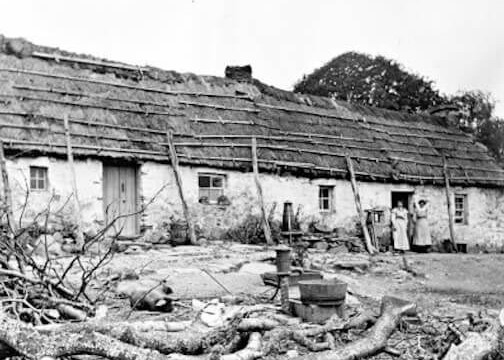

Some appreciate Highland Perthshire as no more than one of the most beautiful parts of Scotland.
More
The chiefs of Clan Menzies used to have their seat at Comrie Castle on the south bank of the river Lyon
More
Dunkeld and its cathedral were saved by the Dukes of Atholl. They were the law across 500 square miles of the Highl
More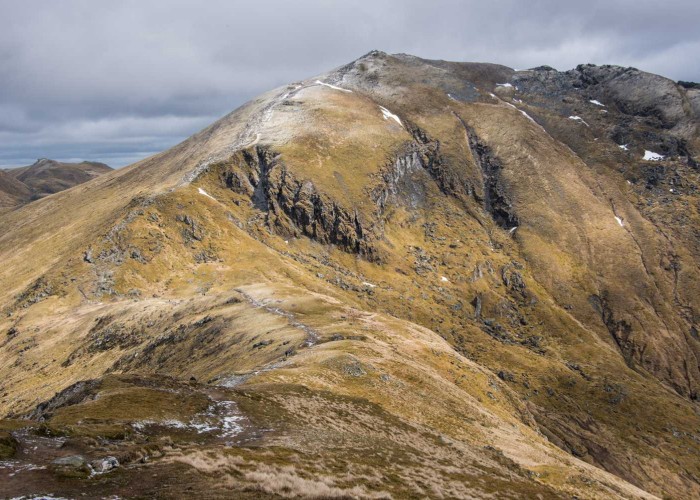
In the last few summers, Glasgow University archeologists have been exploring the mountain and have discovered t
More
Once fortifications would have covered the site of Garth Castle but now only the central keep remains
More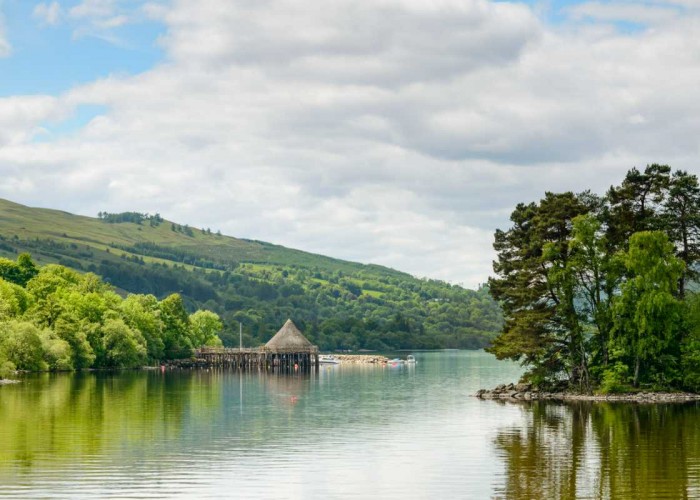
This, Scotland's sixth biggest loch, covers six and half thousand acres in its 14 miles between Kenmore and Killin. For thousan
More
The Glen was once home to over a thousand folk and on one of the best trodden thoroughfares between the western Highlands and the E
More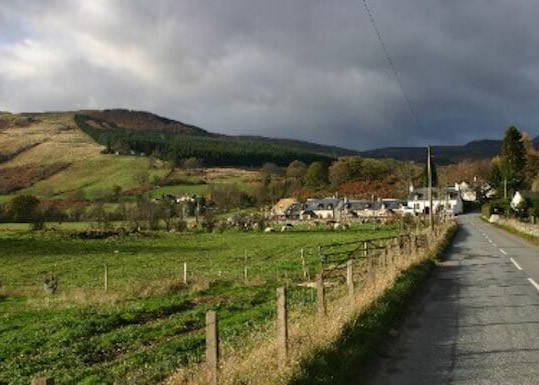
The statue to David Stewart of Garth, erected by the Stewart Society in 1925, in the uniform of a Black Watch captain
More
The double stone circle of Mary's Croft, an impressive standing stone monument in highland Perthshire
More
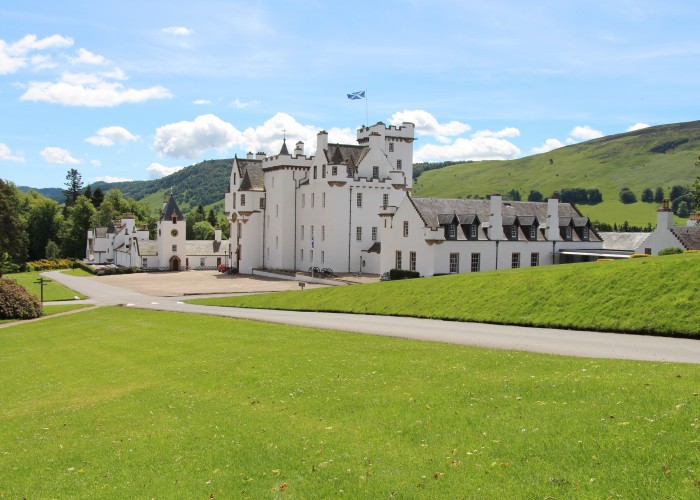

Aberfeldy is what used to be called a thriving market town. The market has long closed but the town still thrives.
More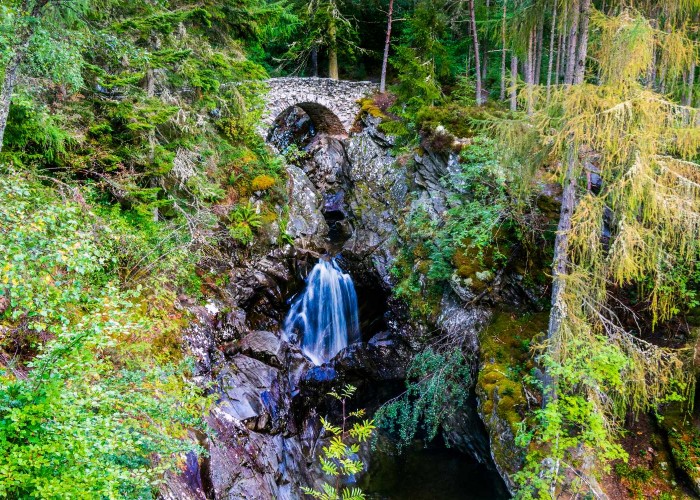
The site of the clan centre at Bruar is at the base of one of those spectacular gorges carved through soft rock by a burn in spate
More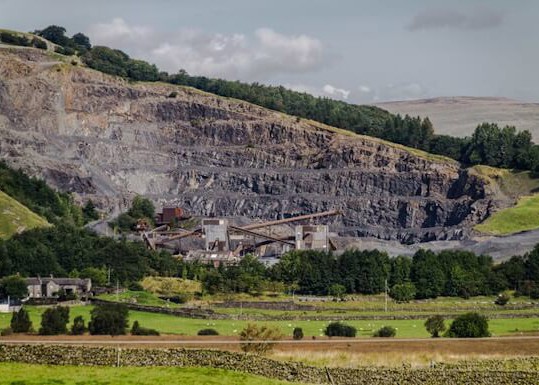
The history behind Shierglas Quarry - Set back the busy A9 road, connecting the south and north of Scotland.
More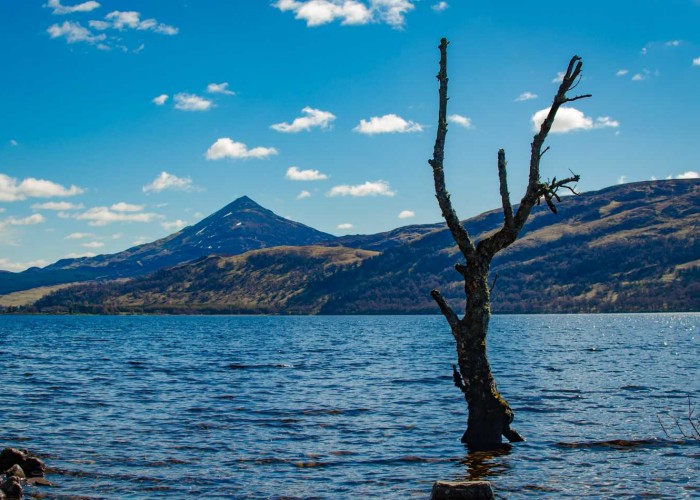
Like an island, the peak of Schiehallion stood above the ice. The millennia of frost left the shattered boulders and scree that
More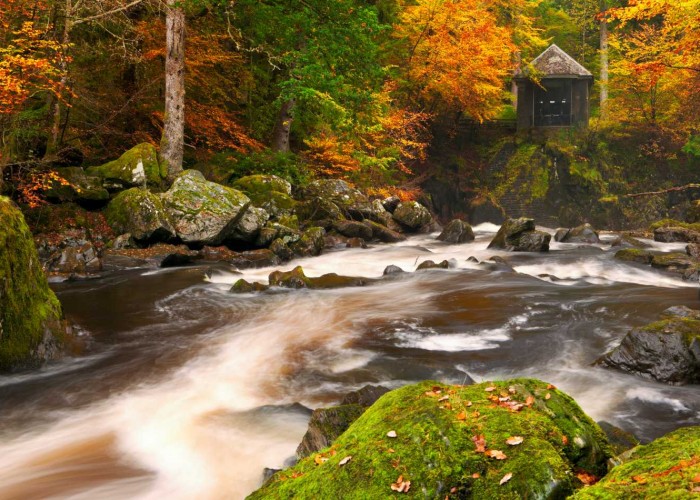
The building contained a chandelier and its walls were lined with mirrors reflecting the falls of turbulent river which was int
More
The castle, in private hands, dates from the late 1600s but doubled in size early this century.
More