
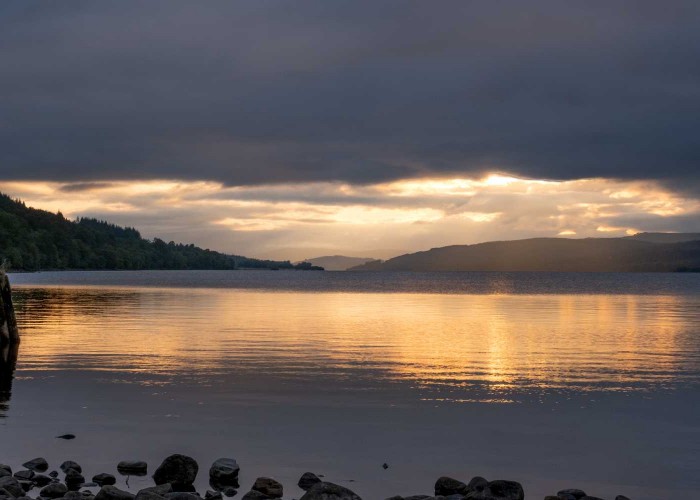
Rannoch
The village of Kinloch Rannoch was created in the period after the '45. It is a nomenclatural oddity.
MoreThe name means 'a meadow or a dale' and, although today there is little to repay the visitor for a diversion, this is one of the most historically interesting places in the locality. Its story begins with a Glen Lyon priest thirteen centuries ago when the Dark Ages were extremely murky. Wolves and boars flourished and the border between the two races of men, the Picts and the Gaels, was at Keltneyburn where clashes were frequent. It was a time of lice, fleas, dirt, disease, tall stories and barbarity; Columba had been dead a century and Christianity was still embattled with ancient druidical beliefs, primitive superstitions and animalistic practices.

The priest, Adamnan, must have been a remarkable man. Not only did he go on to become the senior Scots churchman as Abbot of Iona but he also wrote the first Scots biography - that of his predecessor St Columba - and an account of the holy places of Palestine De locis Sanctis, which was used as guide book for pilgrims throughout the middle ages. He was one of the greatest men of his age, a supporter of the rights of women, and is supposed to have became the first pensioner in the locality when he decided to spend his retirement back in Glen Lyon. He also managed to stop the plague in the glen and the hole in a rock where he placed his crozier can still be seen. On his death his followers carried his remains to Dunkeld to lie alongside Columba. En route at Dull, the wicker handle came adrift from his bier. This was taken as a sign, so a monastery was built on the spot.
But there is a problem with Celtic saints like Adamnan - in Gaelic, Eonan. These men were on the cusp of history and, on the best evidence available, it is unlikely that Adamnan or Cuthbert ever ventured to this area. Adamnan himself died at Iona. He is the patron saint of Glen Lyon and of Dull and his name is attached to places throughout Highland Perthshire - and to others from Kintyre to Aberdeenshire. Perhaps the Culdee missionaries from Iona dedicated their cells to their abbot and stopped the plague in his name. The stories that attached the names of individuals to such places are survivors of generations of wagging tongues round peat fires on cold winter nights.
The Appin of Dull was the land owned by the monastery. The other Appin - apthane = abbey lands - in the Western Highlands belonged to the religious community of Lismore. At Dull, the Gaels called it Menzies's Appin to whom the abbot sold out in 1561 just before the Reformation. From the sale was retained the glebe land and the church of the parish which stretched from Amulree to Loch Tummel and Grandtully to Fortingall. Round the corner is a broken stone cross that used to mark a boundary of the ancient sanctuary where malefactors were safe from the law or vengeful kin. Two others crosses were purloined as gate posts by David Campbell, the factor of the Garth and Menzies estates. The predicted fate befell him - eventually - when he and his horse toppled over the parapet of the old Wade bridge across the Keltneyburn, now behind his cousin General David Stewart's statue. These two sanctuary stones are now in the Old Kirk at Weem.
The village of Kinloch Rannoch was created in the period after the '45. It is a nomenclatural oddity.
More
Situated in the central part of Scotland, Strathtummel is within easy reach of highland Perthshire, home to historical sites and
More
Along the north face of the strath between Logierait and Aberfeldy are eleven estates whose boundaries have been largely unchanged
More
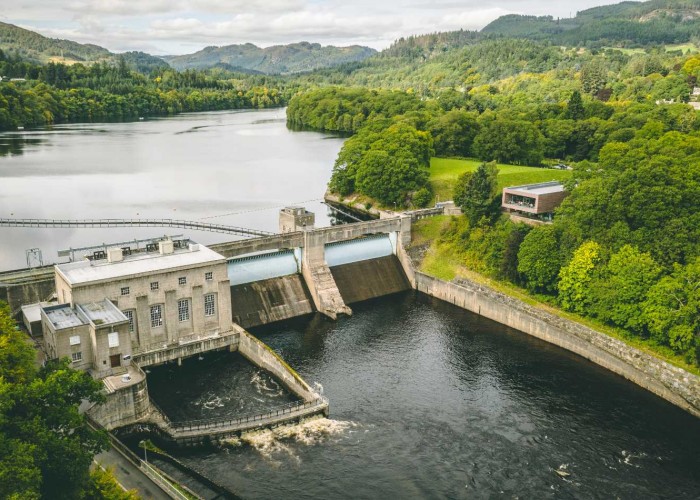
Pitlochry has kept pace with the times. Thousands come from all over the world to make this one of the most important stops on the
More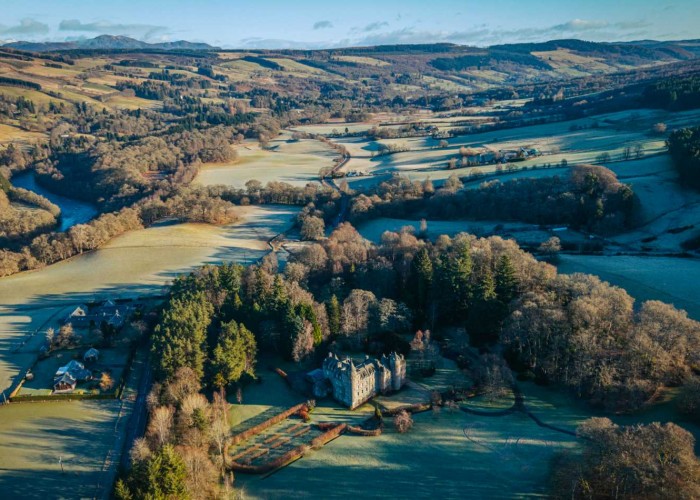

St Mary's Chapel in Grantully near Aberfeldy with a magnificent 1600s painted ceiling
More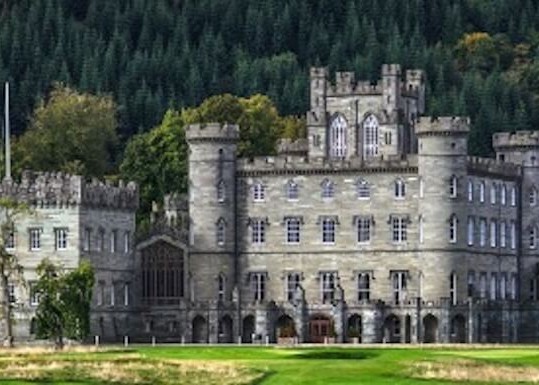
The spectacular Gothic edifice of Taymouth Castle is one of the grandest buildings in Scotland. Most was completed in 1807 by
More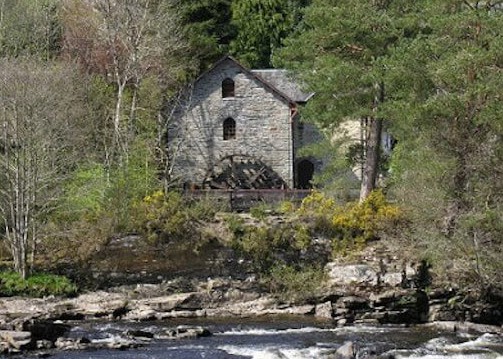
Much of what is now called Breadalbane used to be in Atholl but the incoming Campbells of Glenorchy took the name as the title of
More
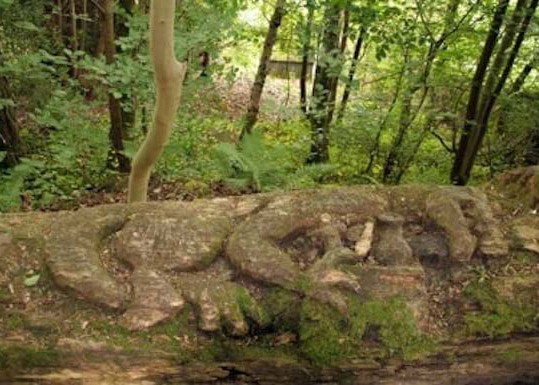
The name comes from the word 'uamh' in Gaelic which means cave. The caves are in the wooded crags above the village
More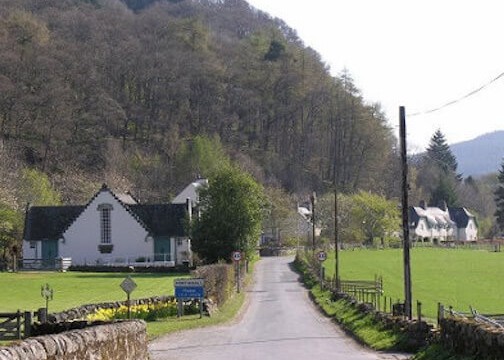
Recently crop marks have been observed much closer to the village and, although confirmation is still needed, they show signs of b
More
Dunalastair and the estate is home to rare wildlife of Perthshire with offers scenic strolls around famous gardens
More
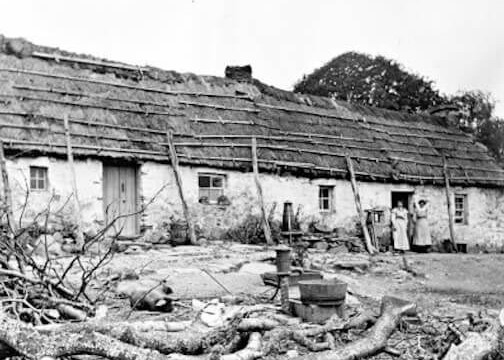

Some appreciate Highland Perthshire as no more than one of the most beautiful parts of Scotland.
More
The chiefs of Clan Menzies used to have their seat at Comrie Castle on the south bank of the river Lyon
More
Dunkeld and its cathedral were saved by the Dukes of Atholl. They were the law across 500 square miles of the Highl
More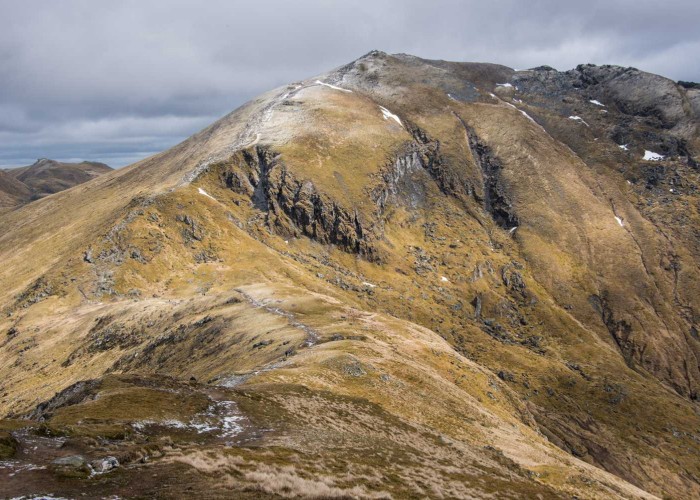
In the last few summers, Glasgow University archeologists have been exploring the mountain and have discovered t
More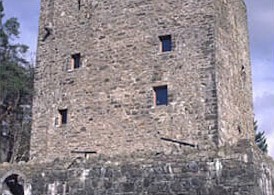
Once fortifications would have covered the site of Garth Castle but now only the central keep remains
More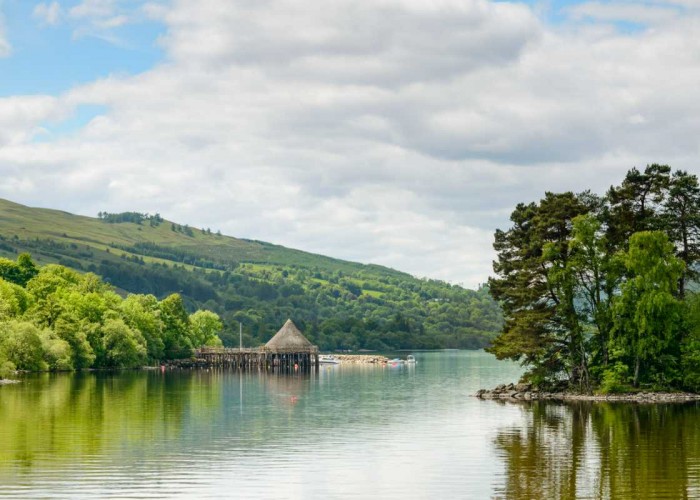
This, Scotland's sixth biggest loch, covers six and half thousand acres in its 14 miles between Kenmore and Killin. For thousan
More
The Glen was once home to over a thousand folk and on one of the best trodden thoroughfares between the western Highlands and the E
More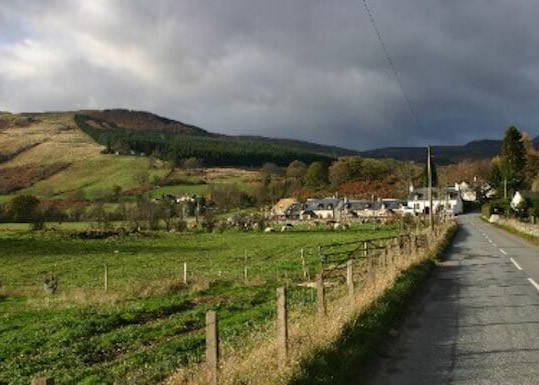
The statue to David Stewart of Garth, erected by the Stewart Society in 1925, in the uniform of a Black Watch captain
More
The double stone circle of Mary's Croft, an impressive standing stone monument in highland Perthshire
More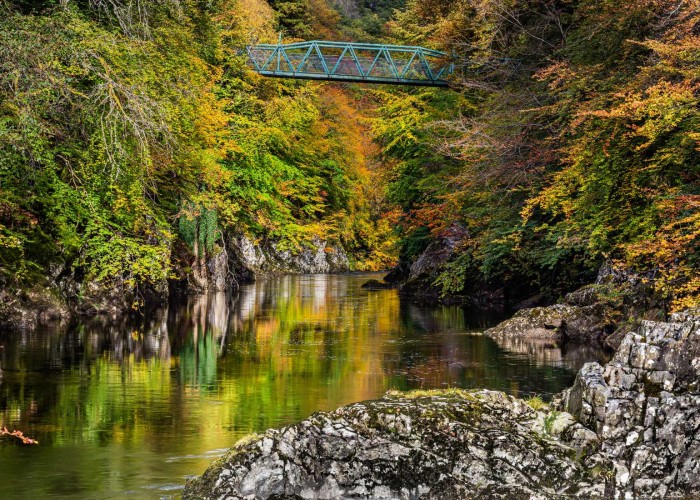
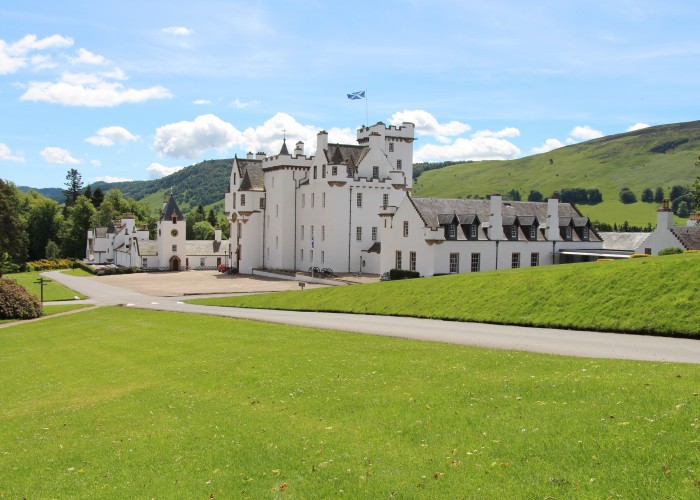

Aberfeldy is what used to be called a thriving market town. The market has long closed but the town still thrives.
More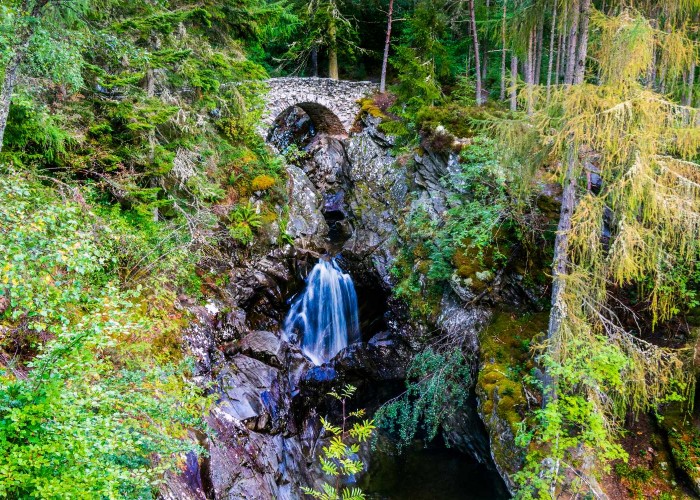
The site of the clan centre at Bruar is at the base of one of those spectacular gorges carved through soft rock by a burn in spate
More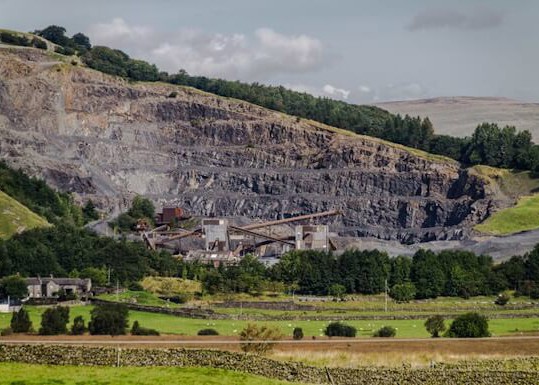
The history behind Shierglas Quarry - Set back the busy A9 road, connecting the south and north of Scotland.
More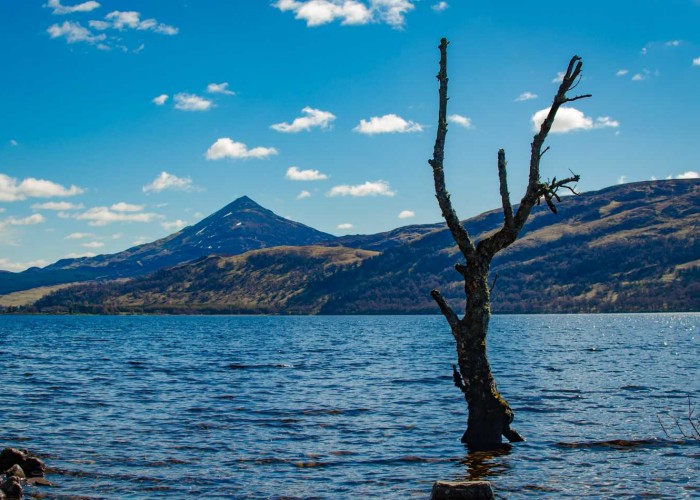
Like an island, the peak of Schiehallion stood above the ice. The millennia of frost left the shattered boulders and scree that
More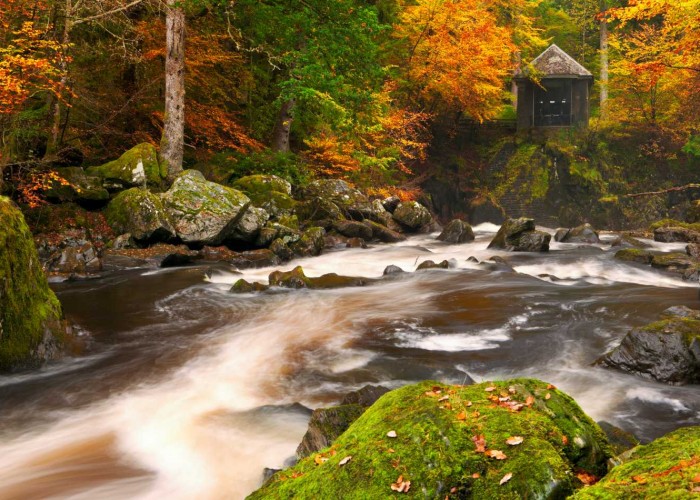
The building contained a chandelier and its walls were lined with mirrors reflecting the falls of turbulent river which was int
More
The castle, in private hands, dates from the late 1600s but doubled in size early this century.
More