
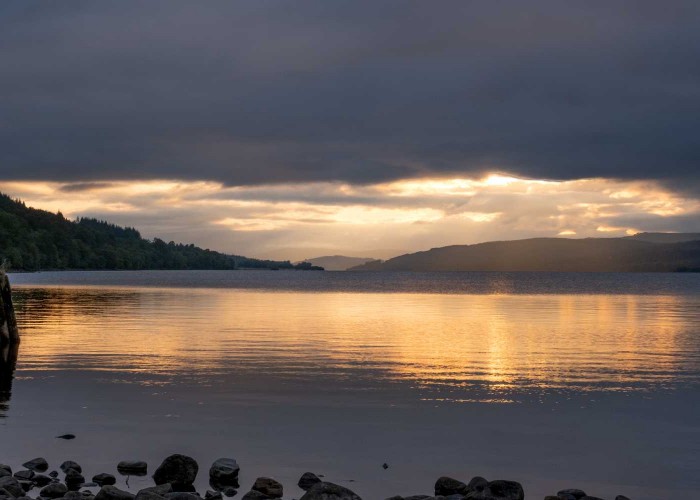
Rannoch
The village of Kinloch Rannoch was created in the period after the '45. It is a nomenclatural oddity.
MoreThe lack of tree cover was a repeated complaint of the early travellers to Scotland. The old Caledonian pine forest had retreated to a few isolated pockets, driven from the hilltops by climate change and from the straths by mankind. The woodland that now clothes the hillsides north of Dunkeld was first planted by the 4th duke of Atholl at the end of the eighteenth century. The larch was brought to Scotland by William Menzies of Culdares, near Fortingall, in 1742. He presented a few seedlings to the duke who passed them on to a gardener to try in the extensive hot houses at Dunkeld House. Prince Charles Edward Stuart sampled his first pineapple in September 1745 grown in these same gardens.
The larches languished until they were turfed outdoors as being unworthy of further consideration. Whereupon they waxed mighty. When sometime later some Japanese larches were planted nearby, an observant forester noticed that some of the seedlings round about were crosses between the Japanese and European varieties. This hybrid became one of the most important commercial softwood timber trees. It has an unfortunate habit of growing like a corkscrew on good land but in the thin, acid soil of much of the Highlands it develops very well.
The climate and soil of Perthshire produce superb trees, both deciduous and coniferous, At the National Trust's Hermitage there are record specimens of both larch and Douglas Fir, named after one of Perthshire's sons who first collected it. The larches are offspring of the parent larches, those original seedlings released into the wild. The last of these still survives behind Dunkeld cathedral.


John Murray was son of Prince Charles's great general Lord George Murray. The second duke was without a son of his own and John was the heir. During the '45 he was safely out of trouble at Eton and wrote rather unctuous letters to his uncle expressing suitable dismay at his father's activities. John married the duke's daughter and in 1757 landscaped the grounds by the falls of the Braan and built Ossian's Hall as a little surprise for his father-in-law. The duke professed to be properly charmed and astonished by it all when he was taken there for a Sunday afternoon stroll.
The building contained a chandelier and its walls were lined with mirrors reflecting the falls of turbulent river which was intended to make the visitor feel he was sitting in their midst. Wordsworth took a look and 'Recoiled into the Wilderness', for the effect seems to have been excruciatingly kitsch. In 1869, during the campaign to abolish the toll levied by the duke on the bridge at Dunkeld, some aesthete blew up the building. It was restored to be more in keeping with its surroundings. As at the Falls of Acharn above Loch Tay, the Victorian visitor to the Hermitage should have been greeted by a resident hermit whose dank rock chamber a little way upstream of the falls would have generated much sympathy and many tips but the only applicant for the job was trying to escape his wife and family and was deemed unsuitable.
The village of Kinloch Rannoch was created in the period after the '45. It is a nomenclatural oddity.
More
Situated in the central part of Scotland, Strathtummel is within easy reach of highland Perthshire, home to historical sites and
More
Along the north face of the strath between Logierait and Aberfeldy are eleven estates whose boundaries have been largely unchanged
More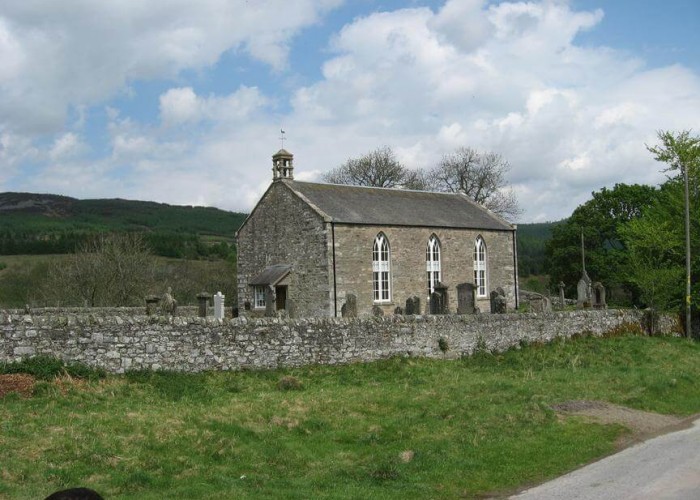
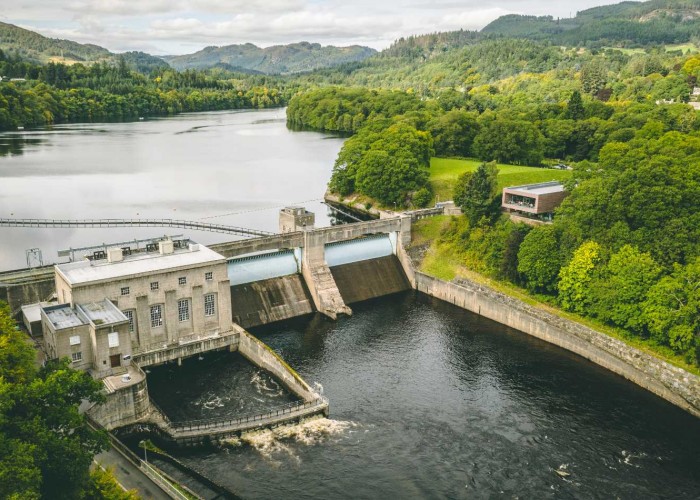
Pitlochry has kept pace with the times. Thousands come from all over the world to make this one of the most important stops on the
More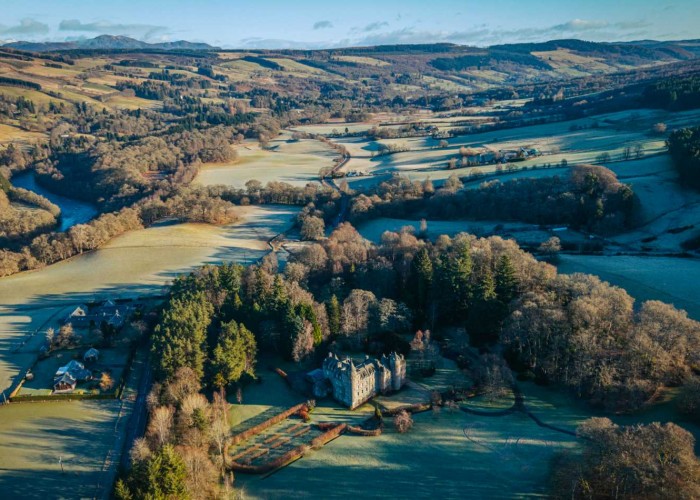

St Mary's Chapel in Grantully near Aberfeldy with a magnificent 1600s painted ceiling
More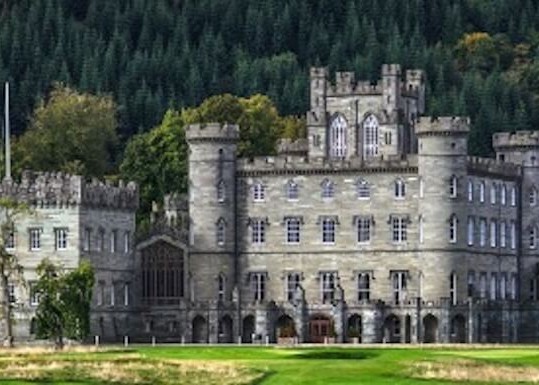
The spectacular Gothic edifice of Taymouth Castle is one of the grandest buildings in Scotland. Most was completed in 1807 by
More
Much of what is now called Breadalbane used to be in Atholl but the incoming Campbells of Glenorchy took the name as the title of
More
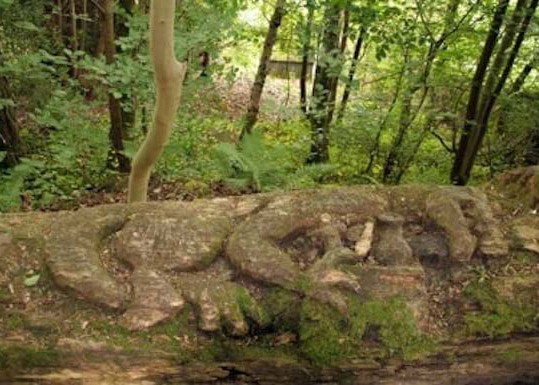
The name comes from the word 'uamh' in Gaelic which means cave. The caves are in the wooded crags above the village
More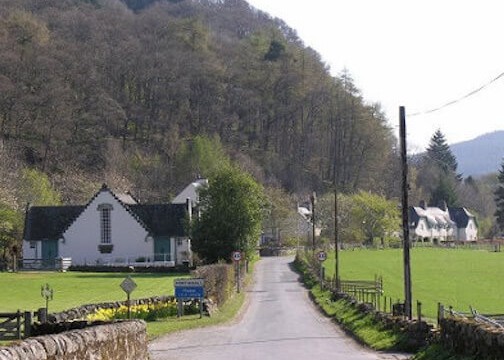
Recently crop marks have been observed much closer to the village and, although confirmation is still needed, they show signs of b
More
Dunalastair and the estate is home to rare wildlife of Perthshire with offers scenic strolls around famous gardens
More
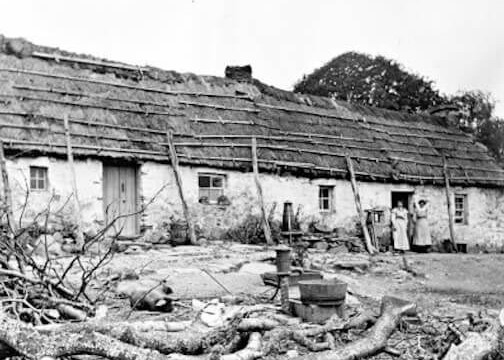

Some appreciate Highland Perthshire as no more than one of the most beautiful parts of Scotland.
More
The chiefs of Clan Menzies used to have their seat at Comrie Castle on the south bank of the river Lyon
More
Dunkeld and its cathedral were saved by the Dukes of Atholl. They were the law across 500 square miles of the Highl
More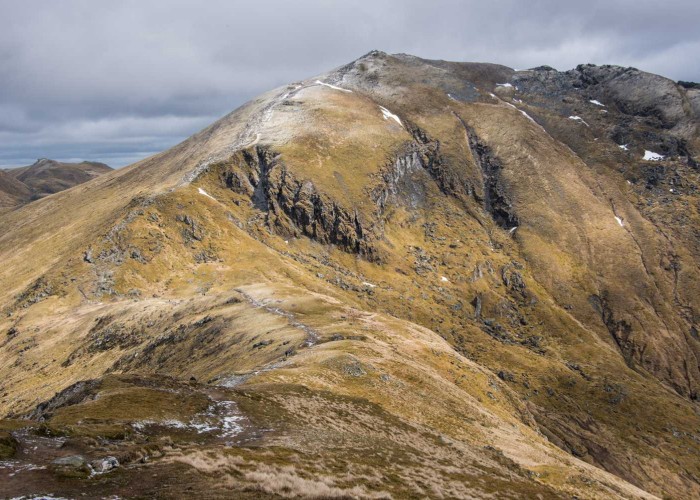
In the last few summers, Glasgow University archeologists have been exploring the mountain and have discovered t
More
Once fortifications would have covered the site of Garth Castle but now only the central keep remains
More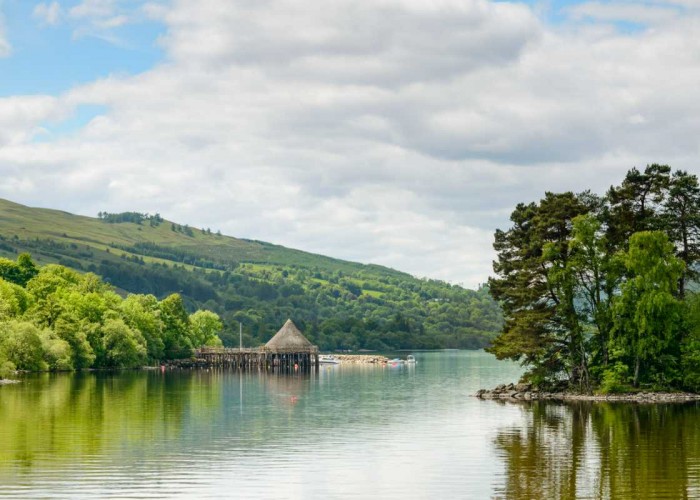
This, Scotland's sixth biggest loch, covers six and half thousand acres in its 14 miles between Kenmore and Killin. For thousan
More
The Glen was once home to over a thousand folk and on one of the best trodden thoroughfares between the western Highlands and the E
More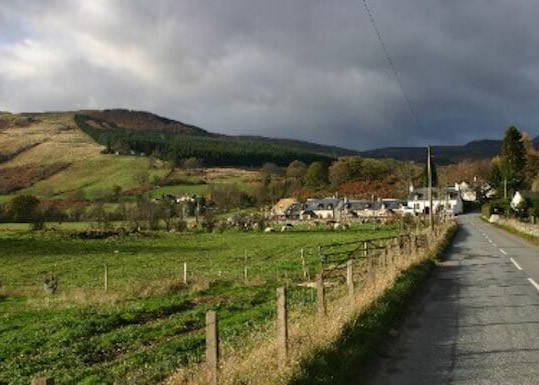
The statue to David Stewart of Garth, erected by the Stewart Society in 1925, in the uniform of a Black Watch captain
More
The double stone circle of Mary's Croft, an impressive standing stone monument in highland Perthshire
More


Aberfeldy is what used to be called a thriving market town. The market has long closed but the town still thrives.
More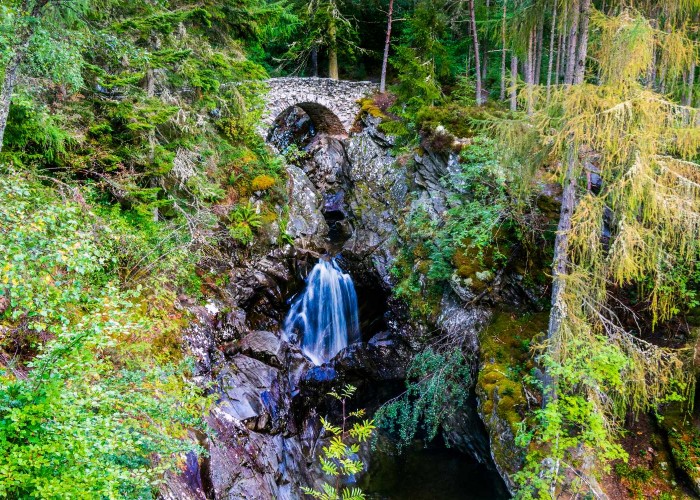
The site of the clan centre at Bruar is at the base of one of those spectacular gorges carved through soft rock by a burn in spate
More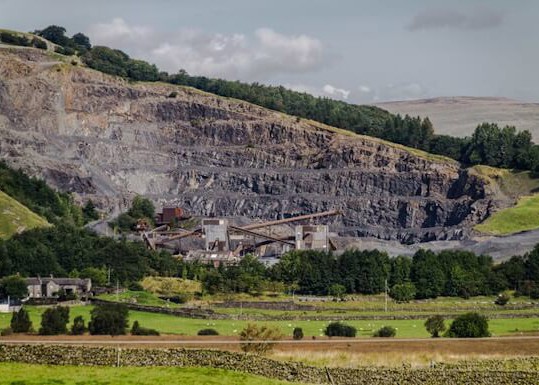
The history behind Shierglas Quarry - Set back the busy A9 road, connecting the south and north of Scotland.
More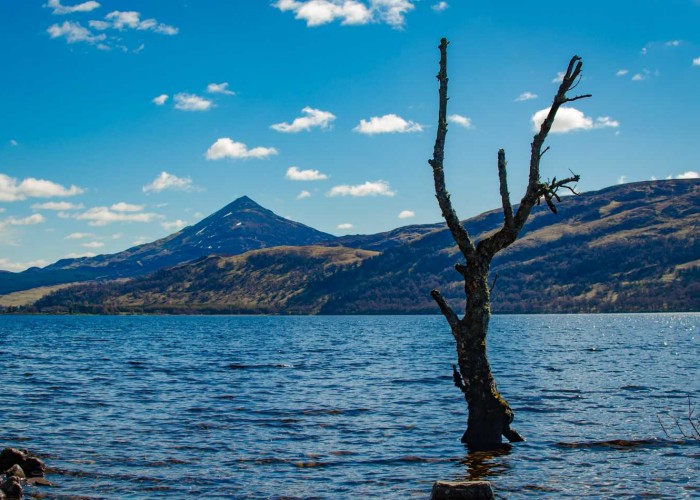
Like an island, the peak of Schiehallion stood above the ice. The millennia of frost left the shattered boulders and scree that
More
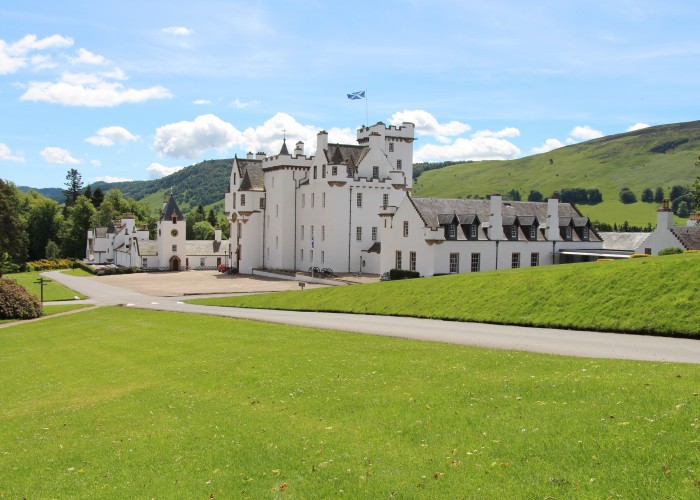
The castle, in private hands, dates from the late 1600s but doubled in size early this century.
More