
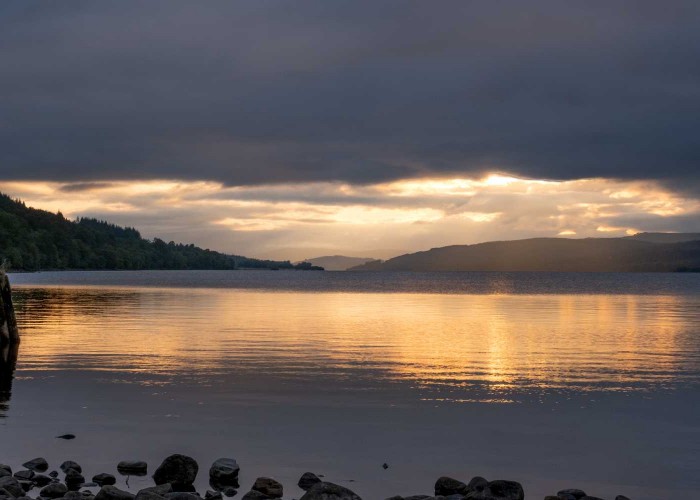
Rannoch
The village of Kinloch Rannoch was created in the period after the '45. It is a nomenclatural oddity.
MoreThis ancient place of settlement, known as Fortingall, lies within one of the most attractive little straths in the Highlands. Sheltered by the mass of Drummond Hill from the blasts off Loch Tay and from the north and west by the hills of Glen Lyon, it holds the full complement of prehistoric stones, cairns, monuments, hill forts, and tumuli. The village and church are the creations of shipping magnate and local MP Sir Donald Currie who bought most of the Vale in 1885 and rebuilt the church and the village to the designs of architect James MacLaren. The kirk holds one of the little bells of the old Celtic church (sadly it was stolen a few years ago). Another lies in the church at Innerwick, a third at Killin, and a fourth used to be at Struan but now resides in Perth Museum.
Although its age has fluctuated alarmingly, the yew in the churchyard is reputed to be the most ancient piece of vegetation in Europe. In 1800 the local minister aged it at a thousand years. It crept up to two thousand during the nineteenth century and then an eminent botanist declared its age at five thousand years. It is younger now - back down to a couple of thousand years. In fact the tree is undatable since the heart is long gone and no tree rings can be obtained.
Its venerability may help to explain the strange legend of Fortingall being the birthplace of Pontius Pilate. Natives of the parish have committed the history and legends of their birth place to print for centuries and many of them were zealous antiquarians who were convinced that the impressive mediaeval fortifications in a field west of the village were a Roman camp. But not until the mid eighteen hundreds does the legend of Pilate appear.
One can almost hear the sermon - in Gaelic of course - in which the minister tried to link the minds of his sleepy congregation to the New Testament. Our wonderful tree was a seedling when the Romans were here in Fortingall and Pontius Pilate - the only Roman they would have heard of - was but a wee laddie. So when the Victorian researcher came round to admire the yew, a simple native told him that Pilate knew it as a wee laddie. And he would have been born at the Roman Camp. The myth still circulates and seems too agreeable to be ever dispelled. A modern writer has gone one further, suggesting that Christ himself was born in Fortingall - and was wearing a kilt at the crucifixion.
Recently crop marks have been observed much closer to the village and, although confirmation is still needed, they show signs of being Roman work. Or of an early monastic settlement. Or just a great big ditch.
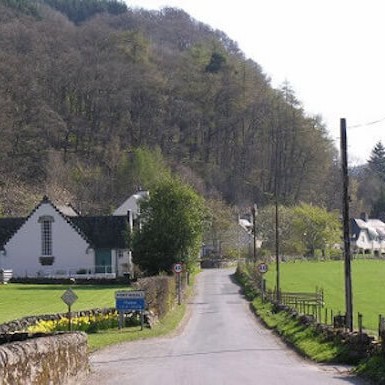
The village of Kinloch Rannoch was created in the period after the '45. It is a nomenclatural oddity.
More
Situated in the central part of Scotland, Strathtummel is within easy reach of highland Perthshire, home to historical sites and
More
Along the north face of the strath between Logierait and Aberfeldy are eleven estates whose boundaries have been largely unchanged
More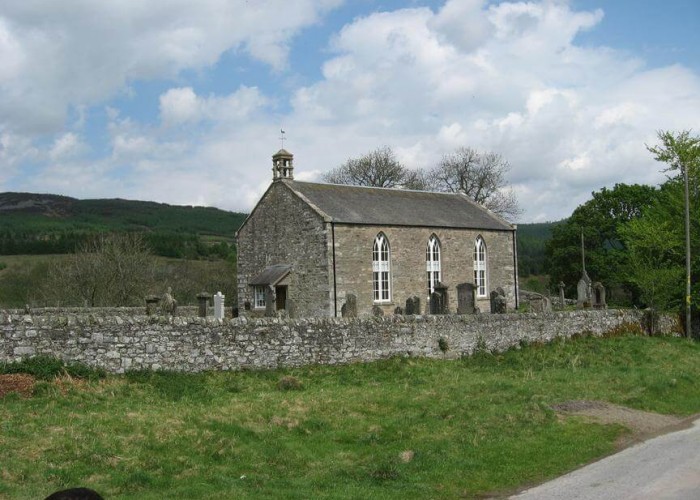
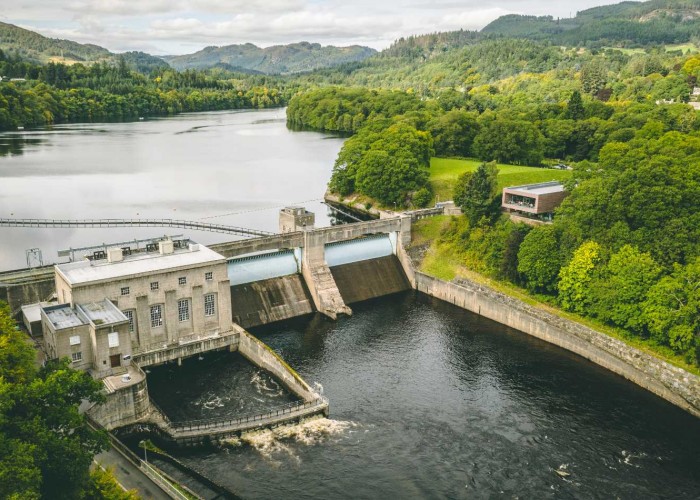
Pitlochry has kept pace with the times. Thousands come from all over the world to make this one of the most important stops on the
More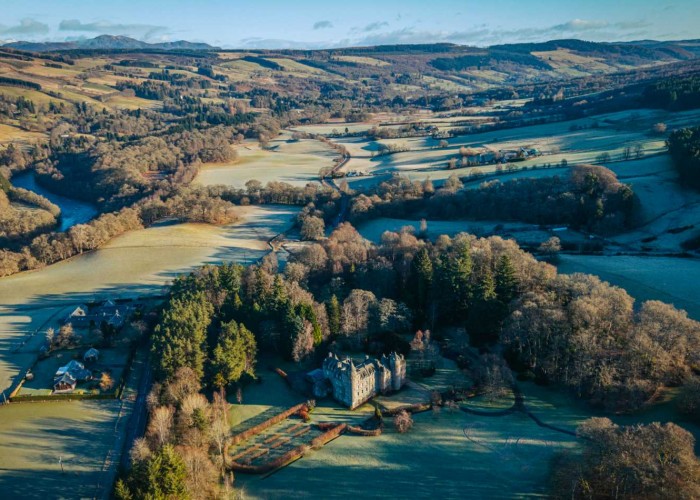

St Mary's Chapel in Grantully near Aberfeldy with a magnificent 1600s painted ceiling
More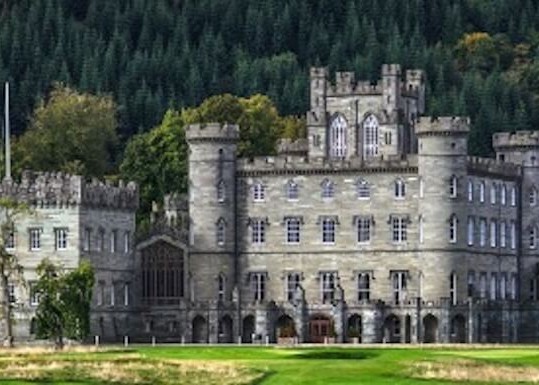
The spectacular Gothic edifice of Taymouth Castle is one of the grandest buildings in Scotland. Most was completed in 1807 by
More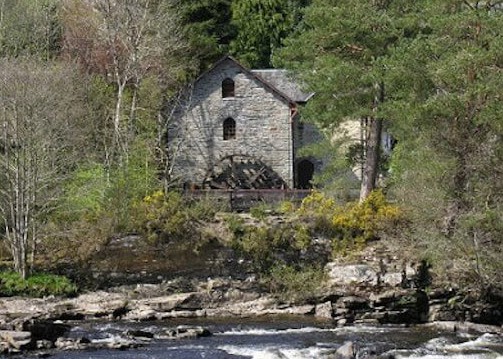
Much of what is now called Breadalbane used to be in Atholl but the incoming Campbells of Glenorchy took the name as the title of
More
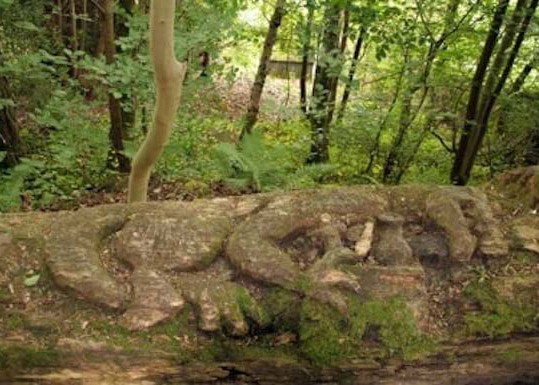
The name comes from the word 'uamh' in Gaelic which means cave. The caves are in the wooded crags above the village
More
Dunalastair and the estate is home to rare wildlife of Perthshire with offers scenic strolls around famous gardens
More
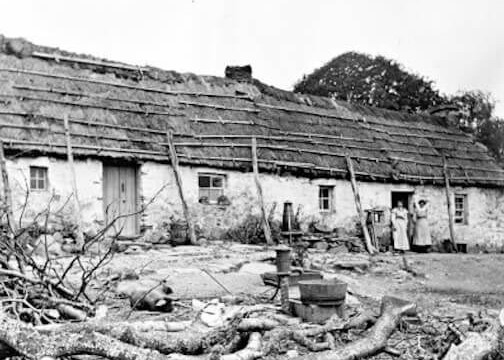

Some appreciate Highland Perthshire as no more than one of the most beautiful parts of Scotland.
More
The chiefs of Clan Menzies used to have their seat at Comrie Castle on the south bank of the river Lyon
More
Dunkeld and its cathedral were saved by the Dukes of Atholl. They were the law across 500 square miles of the Highl
More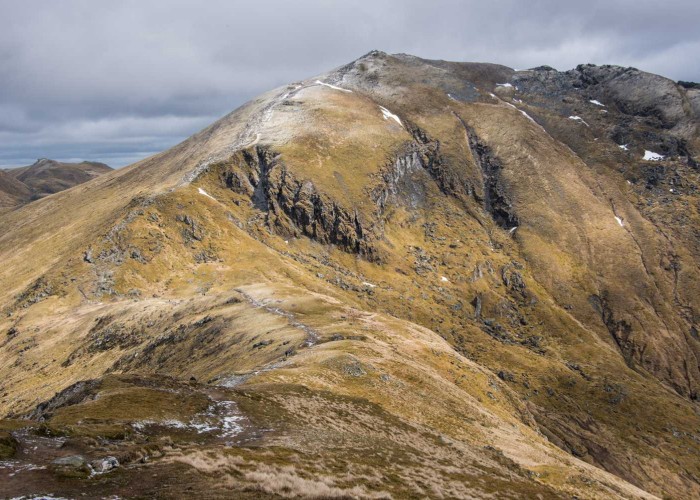
In the last few summers, Glasgow University archeologists have been exploring the mountain and have discovered t
More
Once fortifications would have covered the site of Garth Castle but now only the central keep remains
More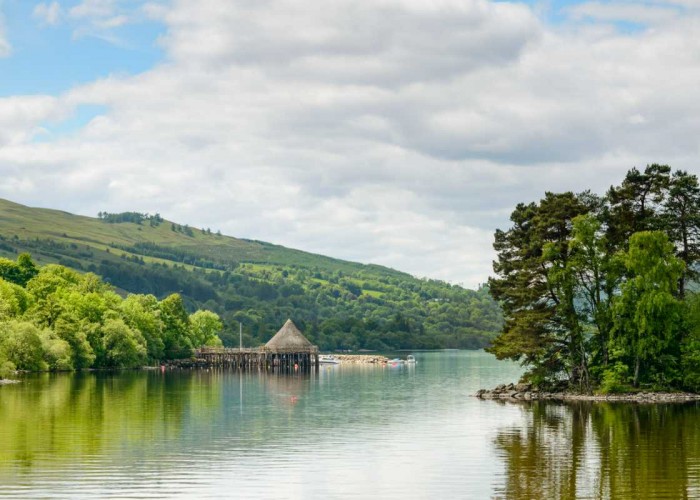
This, Scotland's sixth biggest loch, covers six and half thousand acres in its 14 miles between Kenmore and Killin. For thousan
More
The Glen was once home to over a thousand folk and on one of the best trodden thoroughfares between the western Highlands and the E
More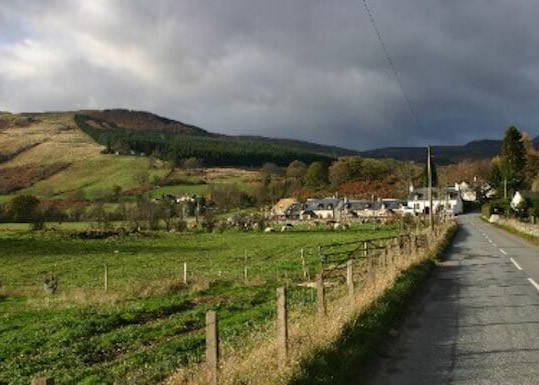
The statue to David Stewart of Garth, erected by the Stewart Society in 1925, in the uniform of a Black Watch captain
More
The double stone circle of Mary's Croft, an impressive standing stone monument in highland Perthshire
More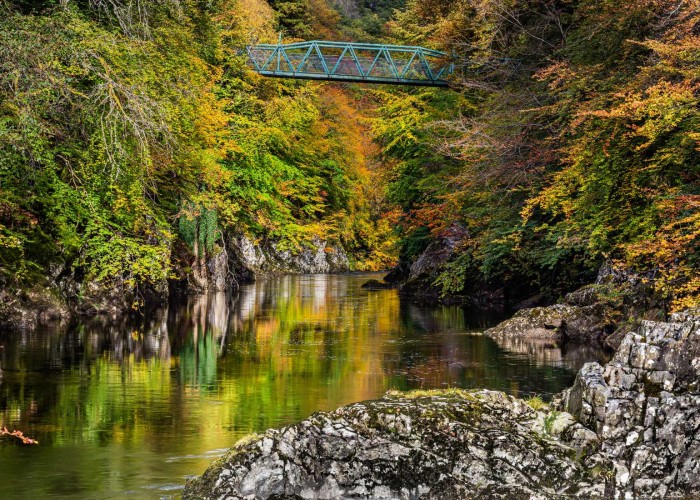


Aberfeldy is what used to be called a thriving market town. The market has long closed but the town still thrives.
More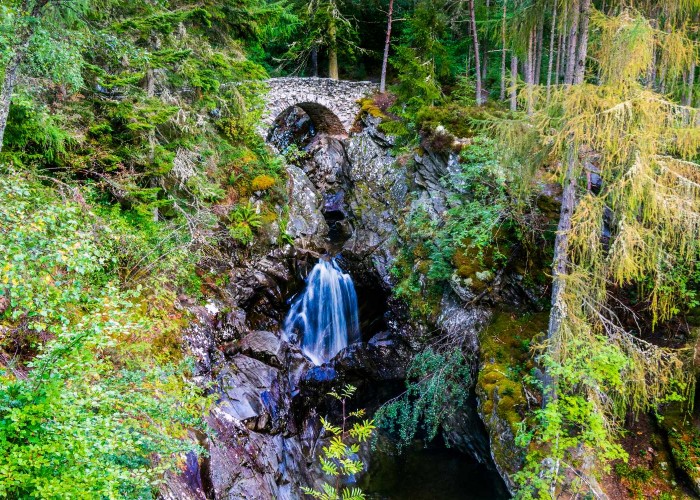
The site of the clan centre at Bruar is at the base of one of those spectacular gorges carved through soft rock by a burn in spate
More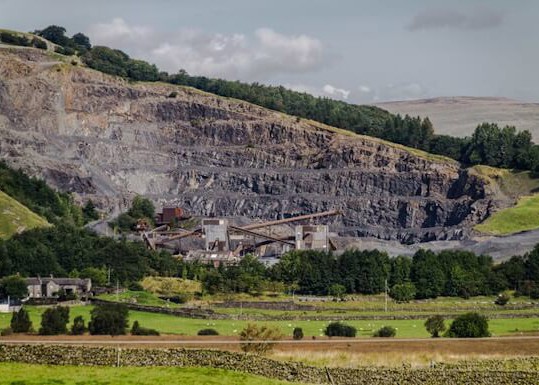
The history behind Shierglas Quarry - Set back the busy A9 road, connecting the south and north of Scotland.
More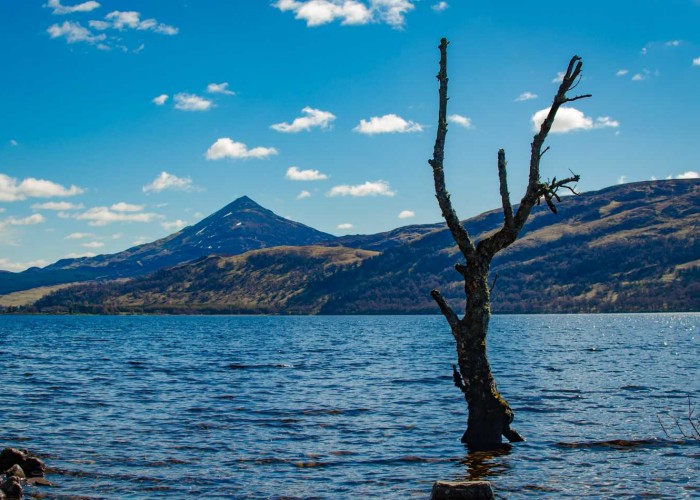
Like an island, the peak of Schiehallion stood above the ice. The millennia of frost left the shattered boulders and scree that
More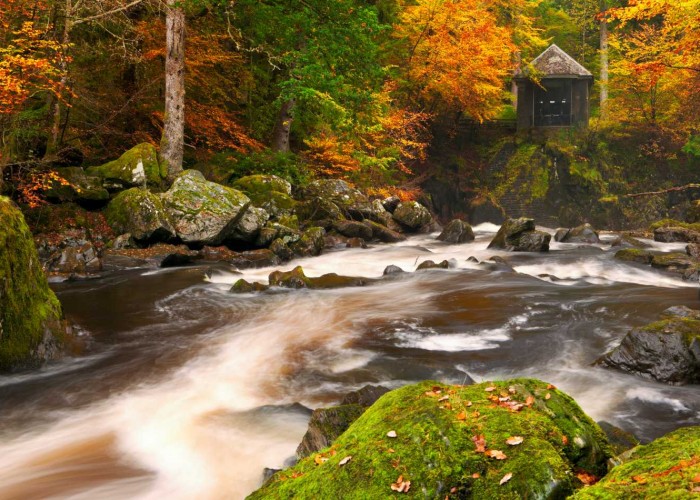
The building contained a chandelier and its walls were lined with mirrors reflecting the falls of turbulent river which was int
More
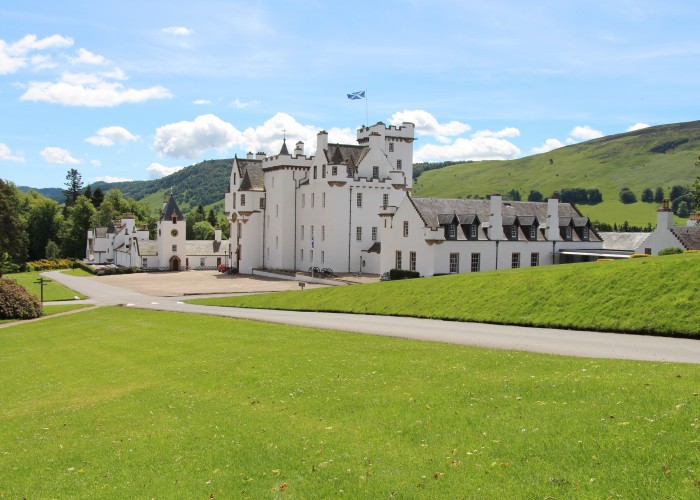
The castle, in private hands, dates from the late 1600s but doubled in size early this century.
More