
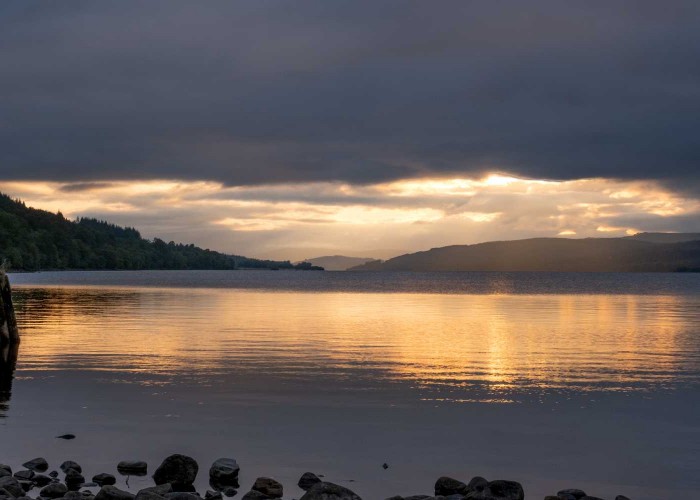
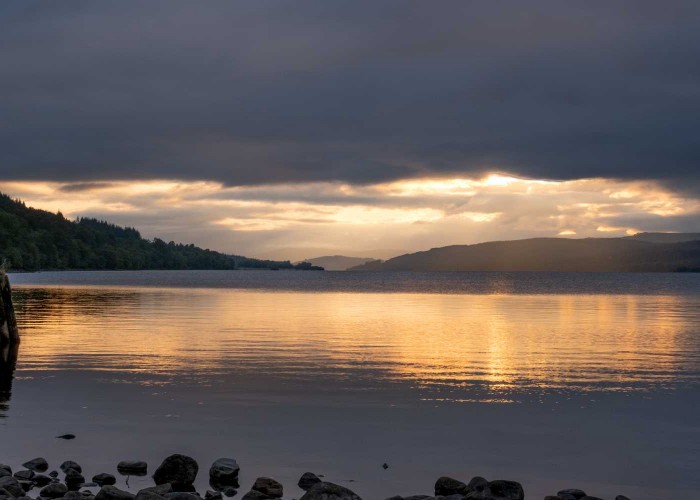
Rannoch
The village of Kinloch Rannoch was created in the period after the '45. It is a nomenclatural oddity.
MoreThe name "Weem" comes from the word 'uamh' in Gaelic which means cave. The caves are in the wooded crags above the village of Weem. There is one cave that is notable for its sheltered recess in the rock face graced by a well.
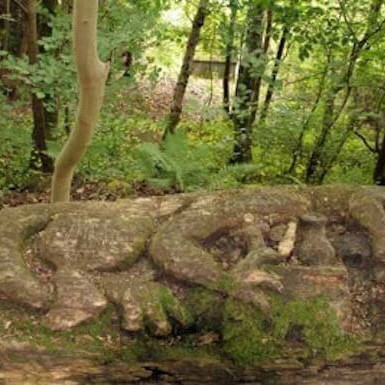
The first recorded inhabitant of this spot was St Cuthbert who tarried here ten years. He built himself a stone bath in which he used to immerse himself overnight and pray. Unfortunately a neighbouring princess accused him of seducing her. He prayed, the earth opened, she was swallowed up and the saint had to flee the wrath of her father. He died Abbot of Lindisfarne in 687.
The well at Weem is not called St Cuthbert's but St David's Well. This David was a mid-fifteenth century chief of Clan Menzies, one of those Scots nobles who was hostage for King James I on his release after 14 years of captivity in England. The chief was a godly man, gave much land to the church, became a Cistercian monk at Melrose Abbey, and retired to the cave above his mansion house in his old age.
For centuries Weem was a Menzies town. The early name for the chief of the clan was the Laird of Weem and his seat the Place of Weem. As a settlement it is much older than Aberfeldy, its records going back to the 1200s. The Auld Kirk may date back to its first mention in the charters of 1235 but most of the building dates to the beginning of the sixteenth century. It is now the mausoleum of the chiefs of Clan Menzies and has accumulated many ancient relics and carved stones which were under threat, including the old cross that used to stand on the hillside by Cuthbert's bath, and two of the carved crosses that once marked the boundaries of the gryph or sanctuary of Dull. Most exceptional is the Renaissance-carved memorial displaying the aristocratic antecedents of the female ancestors of the Menzies of 1616.
In 1797 The government brought in a Militia Act which allowed for the recruitment of able-bodied men into a militia to guard the country against invasion by Napoleon. The ordinary Scots had seen tens of thousands of their young men shipped overseas to fight the King's enemies and they interpreted the Act as the government's way of taking those still outside uniform, and objected. In some parts of the country, dragoons' sabres made short work of the trouble but the authorities had no troops handy in Atholl and Breadalbane. There was no need. Since the '45, the Highlands had been completely loyal and more peaceful than at any time in history.
It was the end of August. The harvest was safely in. People had time on their hands. Masked men took the parish registers which bore the names of those eligible for call up. Mobs formed in the straths to demand that the lairds signed documents stating that they disagreed with the Act and would not enforce it. After achieving this, the angry people did not quite know how to proceed. Fifteen thousand were believed to be milling around Strathtay, an army without officers. On Sunday at Dull after the afternoon sermon, a printed explanation of the workings of the Act were posted at the cross. Angus Cameron a carpenter from Weem came forward to explain it.
He had worked in Glasgow, read Thomas Paine's 'Rights of Man', and been involved in radical societies and discussion groups. With the greatest reluctance he took charge. The huge crowds washed back and forth between Kenmore and Logierait. Authority had collapsed. King Cameron ruled Strathtay but the Socialist Revolution was not to start in Highland Perthshire. It was proposed that the crowd cross over to Blair and force the duke to sign their document. His Grace did what he had always done. He raised his tenantry and, with scythes and cudgels, they mustered to defend him. A 13 year-old ensign in the Perthshire Fencibles, sleeping over with a friend, described what happened to him. 'I was in bed at a relative's home when suddenly a dozen men rushed into the room in a most enraged state and insisted I get up and join them. They explained that we youngsters could throw stones with a string as David did to Goliath. However my friend came in and told them I was an officer in His Majesty's Service and, wild as they were, they scurried away.'
The mob would did not storm the castle but returned to Strathtay where neither Cameron nor his lieutenants, travelling tailors John MacLagan and his two sons, could think what to do next, so they did nothing but wait for the retribution that they knew would surely follow.
One night, a fortnight later, a young officer and a few troopers trotted over the passes from Blair, knocked on Cameron's door, and arrested him. They hired a coach from the Weem Inn, put their prisoner inside and trundled off towards Dunkeld, closely escorted by several thousand people intent on rescuing the prisoner. But they couldn't decide quite how to do it and the convoy reached Perth at four o'clock in the afternoon with scarcely an incident to report.
King Cameron was taken to Edinburgh to be charged with sedition and riot. He was given bail and disappeared, never to be heard of again. Charges were brought against other prominent agitators - the school teacher in Strathtummel had died of his injuries at the hands of a rioter - but the worst punishment meted out was a year's imprisonment, commuted when the prisoners agreed to join His Majesty's Forces.
Everyone in Strathtay went back to work, probably spent a few days wondering what on earth they had thought they were doing, and the matter was never raised again.
The village of Kinloch Rannoch was created in the period after the '45. It is a nomenclatural oddity.
More
Situated in the central part of Scotland, Strathtummel is within easy reach of highland Perthshire, home to historical sites and
More
Along the north face of the strath between Logierait and Aberfeldy are eleven estates whose boundaries have been largely unchanged
More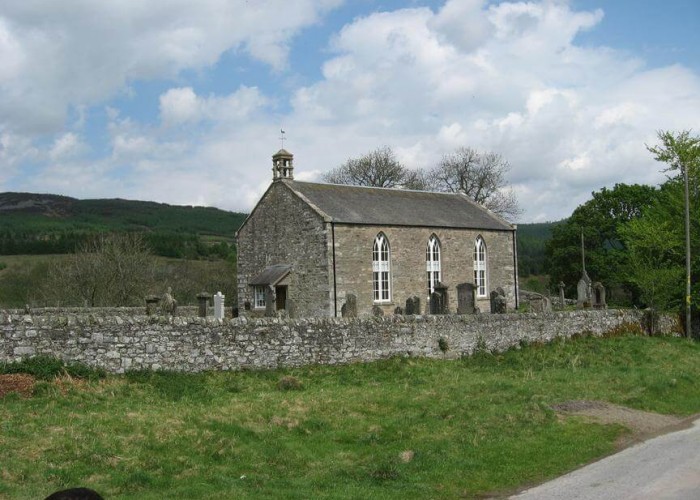

The film location of the fictional stone circle called Craigh na Dun, where Claire travels back in time.
More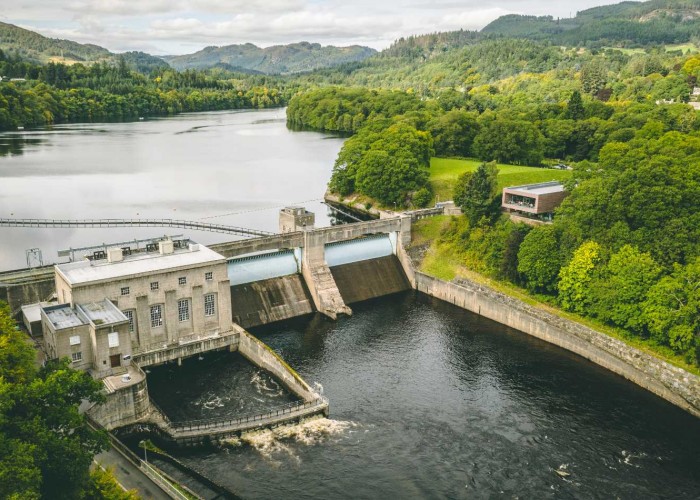
Pitlochry has kept pace with the times. Thousands come from all over the world to make this one of the most important stops on the
More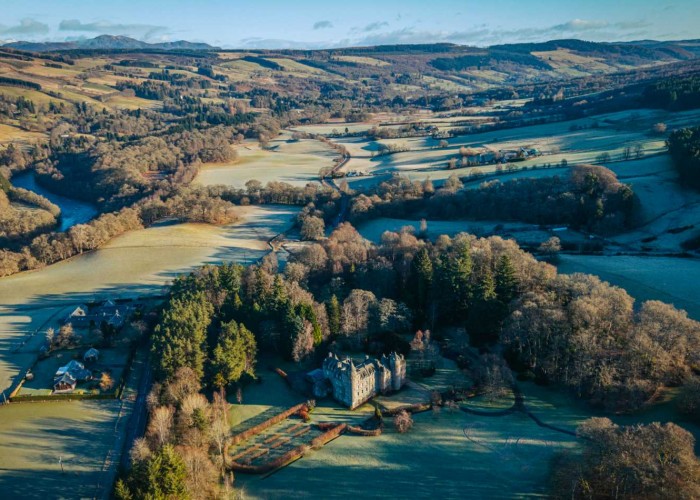

St Mary's Chapel in Grantully near Aberfeldy with a magnificent 1600s painted ceiling
More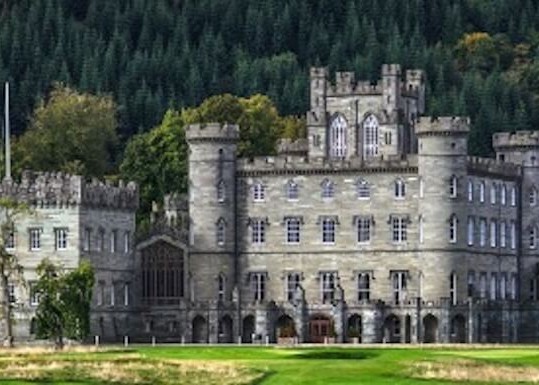
The spectacular Gothic edifice of Taymouth Castle is one of the grandest buildings in Scotland. Most was completed in 1807 by
More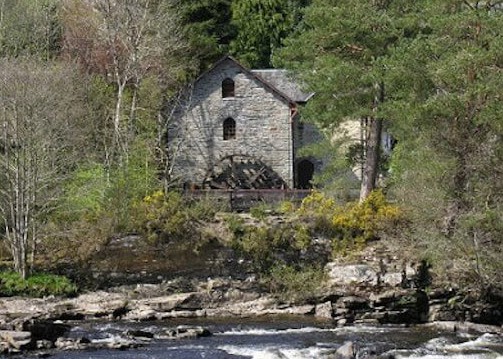
Much of what is now called Breadalbane used to be in Atholl but the incoming Campbells of Glenorchy took the name as the title of
More
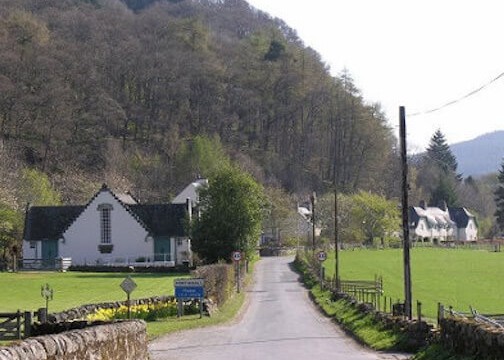
Recently crop marks have been observed much closer to the village and, although confirmation is still needed, they show signs of b
More
Dunalastair and the estate is home to rare wildlife of Perthshire with offers scenic strolls around famous gardens
More
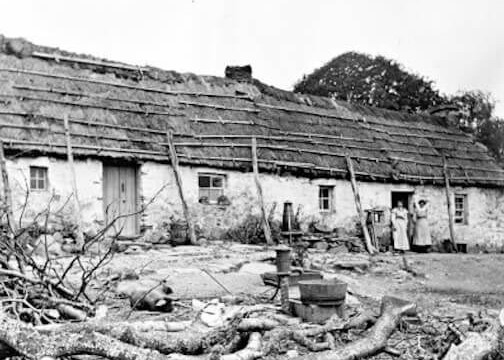

Some appreciate Highland Perthshire as no more than one of the most beautiful parts of Scotland.
More
The chiefs of Clan Menzies used to have their seat at Comrie Castle on the south bank of the river Lyon
More
Dunkeld and its cathedral were saved by the Dukes of Atholl. They were the law across 500 square miles of the Highl
More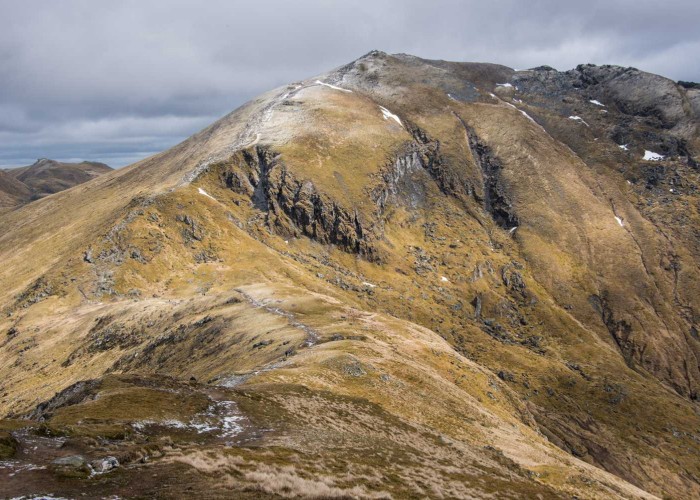
In the last few summers, Glasgow University archeologists have been exploring the mountain and have discovered t
More
Once fortifications would have covered the site of Garth Castle but now only the central keep remains
More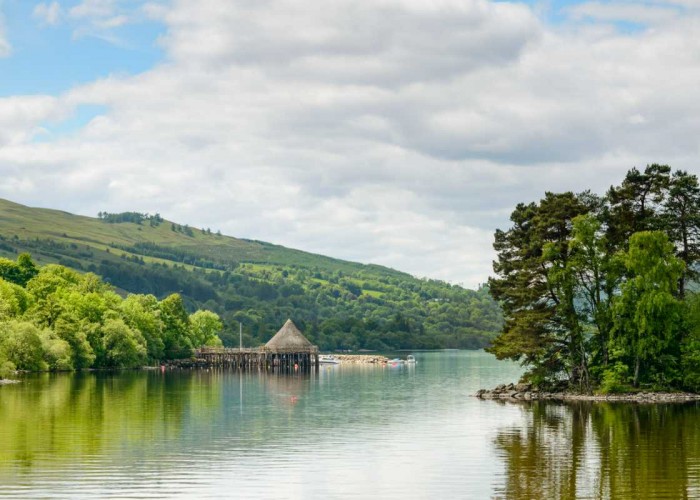
This, Scotland's sixth biggest loch, covers six and half thousand acres in its 14 miles between Kenmore and Killin. For thousan
More
The Glen was once home to over a thousand folk and on one of the best trodden thoroughfares between the western Highlands and the E
More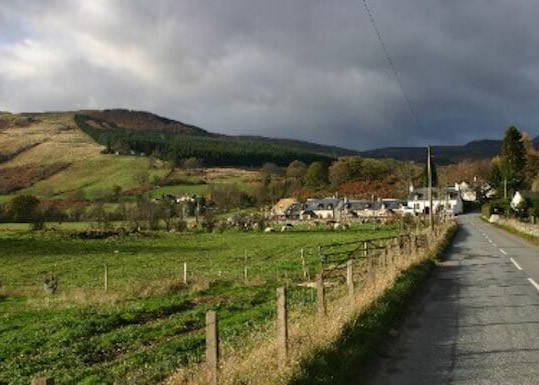
The statue to David Stewart of Garth, erected by the Stewart Society in 1925, in the uniform of a Black Watch captain
More
The double stone circle of Mary's Croft, an impressive standing stone monument in highland Perthshire
More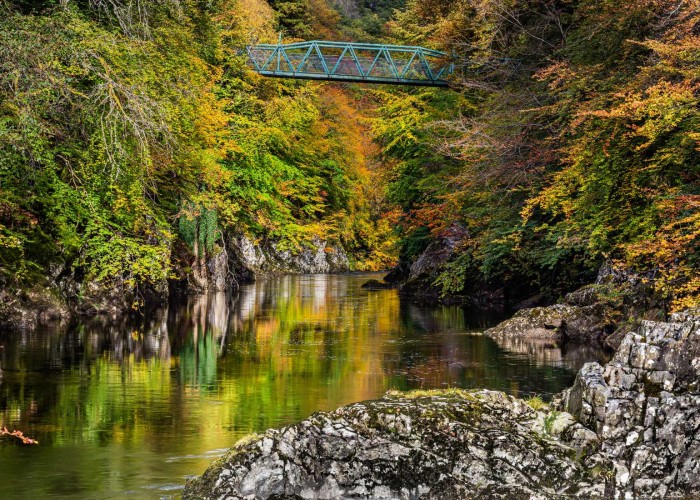

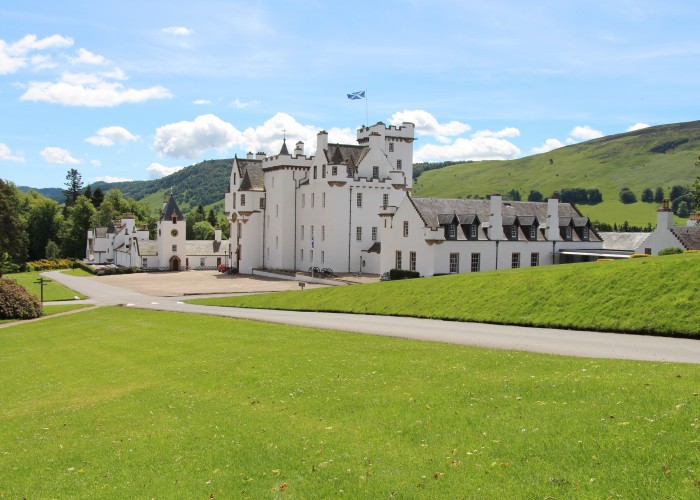

Aberfeldy is what used to be called a thriving market town. The market has long closed but the town still thrives.
More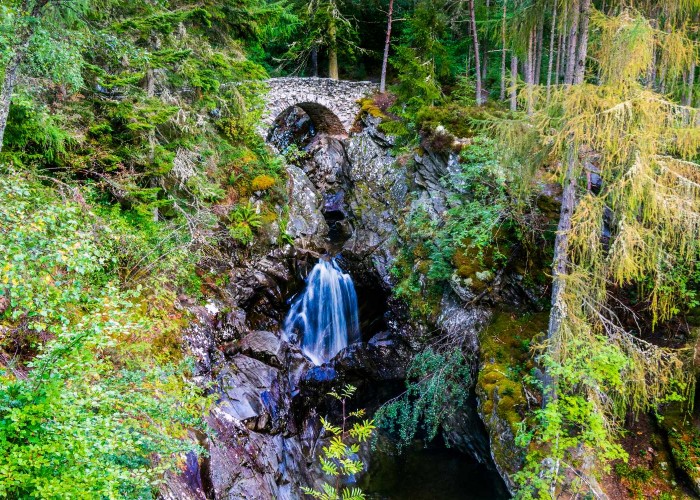
The site of the clan centre at Bruar is at the base of one of those spectacular gorges carved through soft rock by a burn in spate
More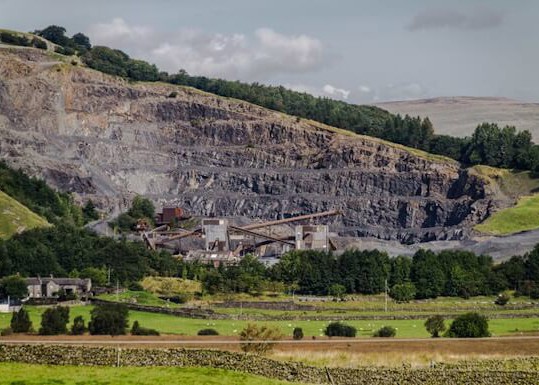
The history behind Shierglas Quarry - Set back the busy A9 road, connecting the south and north of Scotland.
More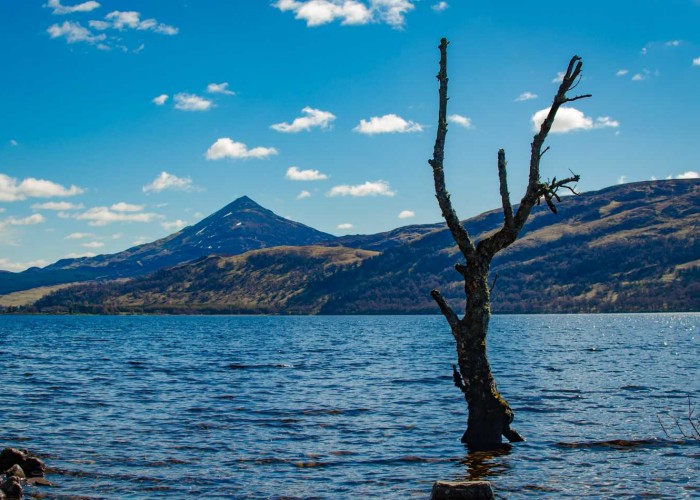
Like an island, the peak of Schiehallion stood above the ice. The millennia of frost left the shattered boulders and scree that
More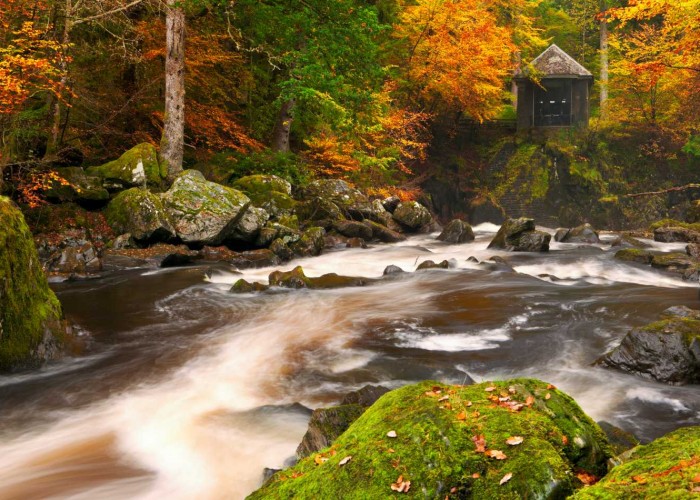
The building contained a chandelier and its walls were lined with mirrors reflecting the falls of turbulent river which was int
More
The castle, in private hands, dates from the late 1600s but doubled in size early this century.
More