

Here at the northern end of Atholl lies the heartland of Clan Donnachaidh. The name means 'Children of Duncan' who was the first great chief, descended from the kindred of St Columba and the old Celtic earls of Atholl. In the Clan Museum at Bruar is the sacred jewel of the clan, the rock crystal 'Clach na Brataich' - the Stone of the Standard - said to have come out of the ground attached to the pole of the chief's standard at the Battle of Bannockburn. An earlier account, written before 1780, gives a different origin, stating that it emerged near Loch Errochty when the same chief was chasing the MacDougalls of Lorne. Since the former story is more romantic it is increasingly gaining verisimilitude.
By the time of the fourth chief, Robert, the earldom of Atholl was held by Walter Stewart, son of Robert II. He wanted his grandson to be king and took part in the assassination of James I at Blackfriars monastery in Perth in 1436. Walter was soon captured, but his grandson and Sir Robert Graham fled to Atholl where they led a gang of outlaws preying upon the countryside round their stronghold in the forests, now long gone, behind Schiehallion. The Donnachaidh chief captured the traitors, for which he was granted the charter of the lands of Atholl as far south as Perth. In honour of this chief, many clansmen took the name Robert-son.
The capture of Graham took place by the burn Alt Ghramaich which runs into Loch Bhac high on the moorland between Strathgarry and Strathtummel. There beneath a shelter stone, which still makes an excellent picnic site, the chief found the fugitive and handed him over to suffer the dreadful fate dreamed up by James's vengeful queen - a week of flogging, a red-hot iron crown on the head, hanging, drawing, and quartering.


The site of the Clan Donnachaidh Centre at Bruar is at the base of one of those spectacular gorges carved through soft rock by a burn in spate. There are many round about although this, and the Moness at Aberfeldy, are the best known. As at Moness, Robert Burns came here during his peregrination of 1786 and produced a poem in its praise. He also petitioned the Duke of Atholl, requesting him to make more of this beauty spot and his Grace responded by laying out walks and bridging the tumbling cascade where the most satisfactory views of it might be observed. The short walk round the falls draws thousands each year. These streams have their headwaters on the moors above and respond almost instantaneously to heavy rain. It is after any such downpour that the full spectacle of the peaty, foaming torrents are best appreciated.
Thirty years after Burns, the painter William Turner did much the same tour in Atholl with his sketch book and produced exquisite water colours of many of the finest features. Some of these are now in the Tate Gallery, others are at Yale University. He was precursor of a host of Victorians landscape painters who came to Atholl to paint and feed the public appetite for the spectacular Highland scenery. Landseer was, perhaps, the doyen of this school but many artists were inspired by the lochs and mountains and most seemed to find view points with a conveniently placed Highland cow or two in the middle distance. One, Joseph Farquharson, preferred sheep to cattle, often in snow. His contemporaries nicknamed him Frozen-mutton.
Adjacent to the Clan Museum is the House of Bruar, the Harrods of the Highlands. Built in 1994 in the Scots baronial style this spectacular retail development markets the best of Scotland's foods and textiles. The haggis served in the restaurant is consistently excellent.
Within a mile or two of Bruar are the small villages of Struan and Calvine both ancient strongholds of the Clan Donnachaidh. The old church at Struan had an ancient Celtic bronze bell, one of three that survived down the centuries, which is now in Perth Museum. On the banks of the Garry, a couple of hundred yards upstream of the church, sits the mound which used to be topped with the stronghold of the Clan Donnachaidh. Struan means stream and this is the territorial title still used by the Clan Chief.
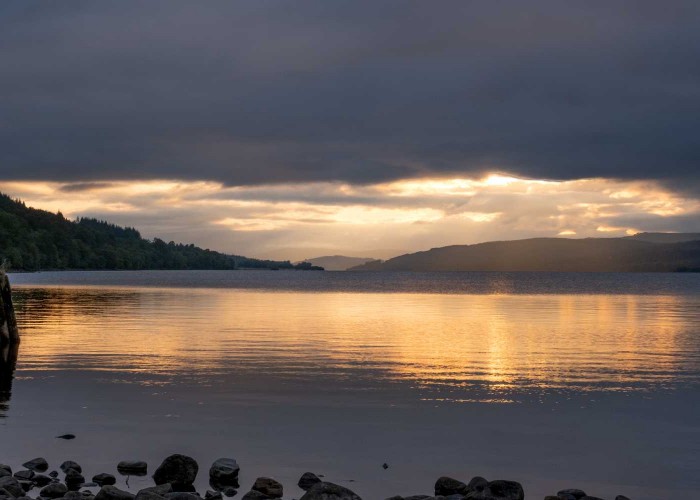
The village of Kinloch Rannoch was created in the period after the '45. It is a nomenclatural oddity.
More
Situated in the central part of Scotland, Strathtummel is within easy reach of highland Perthshire, home to historical sites and
More
Along the north face of the strath between Logierait and Aberfeldy are eleven estates whose boundaries have been largely unchanged
More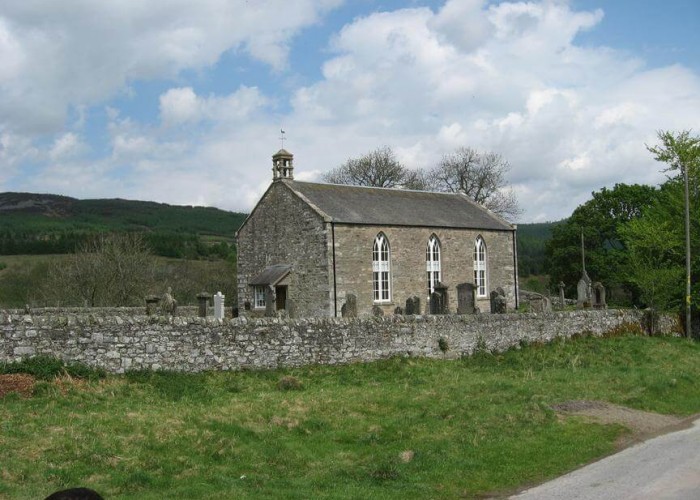

The film location of the fictional stone circle called Craigh na Dun, where Claire travels back in time.
More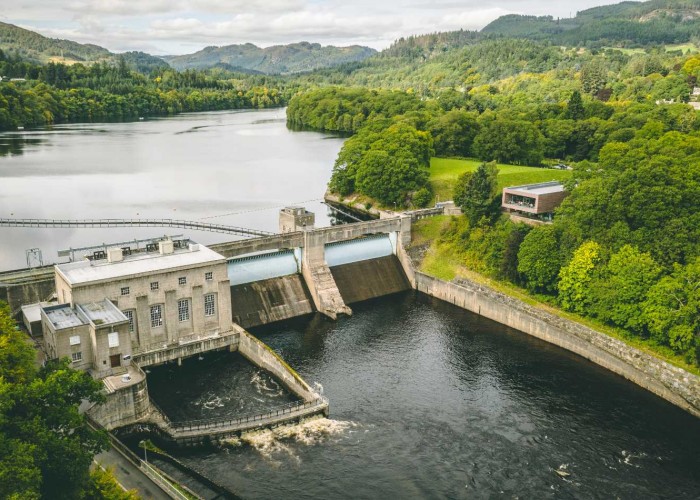
Pitlochry has kept pace with the times. Thousands come from all over the world to make this one of the most important stops on the
More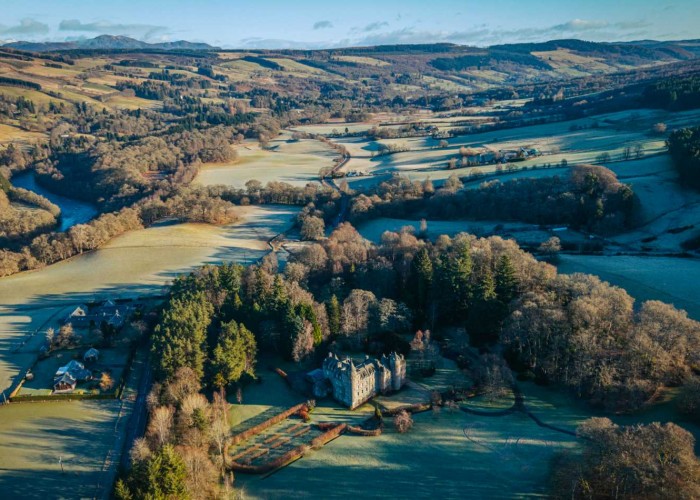

St Mary's Chapel in Grantully near Aberfeldy with a magnificent 1600s painted ceiling
More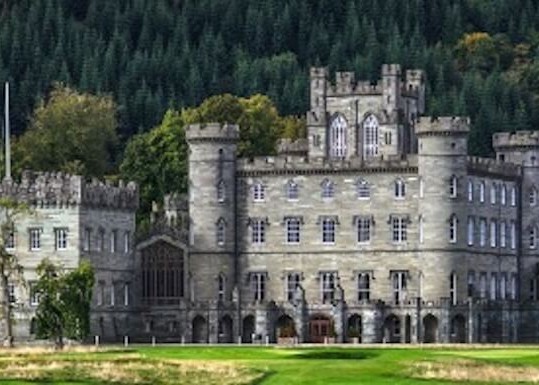
The spectacular Gothic edifice of Taymouth Castle is one of the grandest buildings in Scotland. Most was completed in 1807 by
More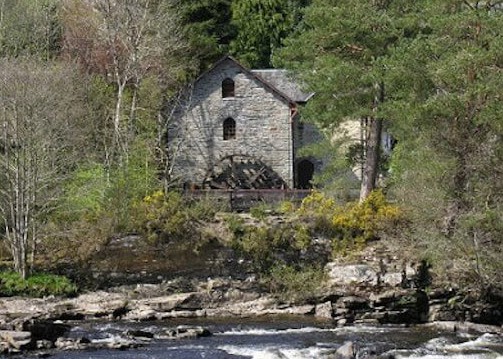
Much of what is now called Breadalbane used to be in Atholl but the incoming Campbells of Glenorchy took the name as the title of
More
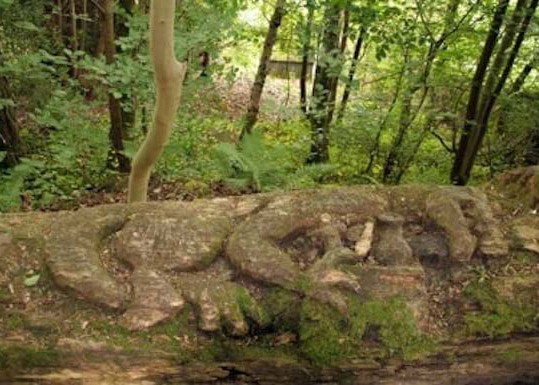
The name comes from the word 'uamh' in Gaelic which means cave. The caves are in the wooded crags above the village
More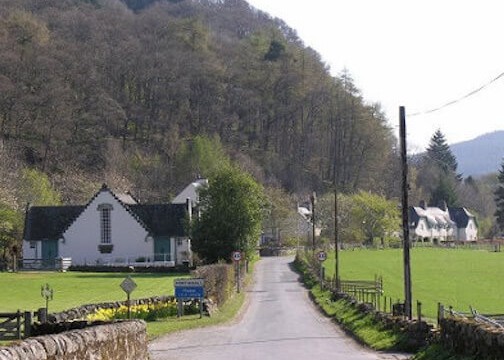
Recently crop marks have been observed much closer to the village and, although confirmation is still needed, they show signs of b
More
Dunalastair and the estate is home to rare wildlife of Perthshire with offers scenic strolls around famous gardens
More
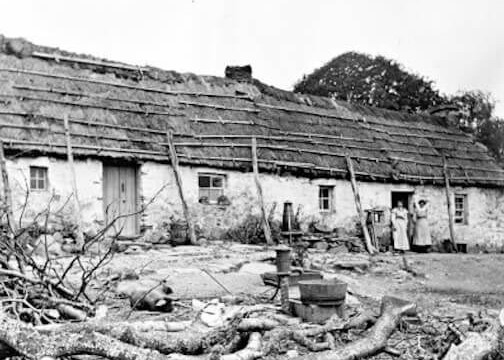

Some appreciate Highland Perthshire as no more than one of the most beautiful parts of Scotland.
More
The chiefs of Clan Menzies used to have their seat at Comrie Castle on the south bank of the river Lyon
More
Dunkeld and its cathedral were saved by the Dukes of Atholl. They were the law across 500 square miles of the Highl
More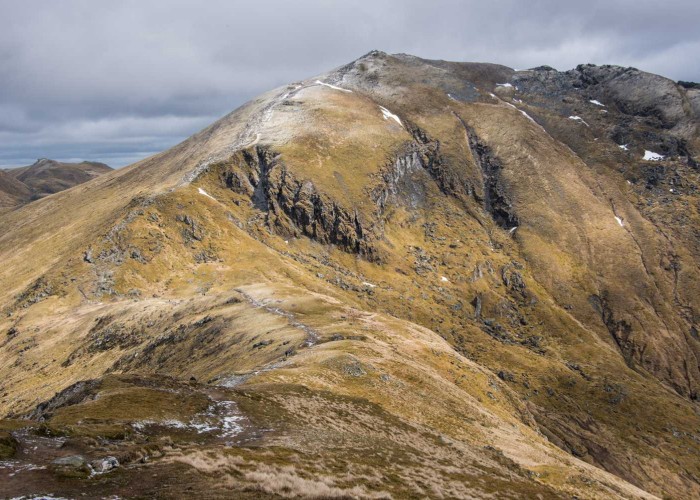
In the last few summers, Glasgow University archeologists have been exploring the mountain and have discovered t
More
Once fortifications would have covered the site of Garth Castle but now only the central keep remains
More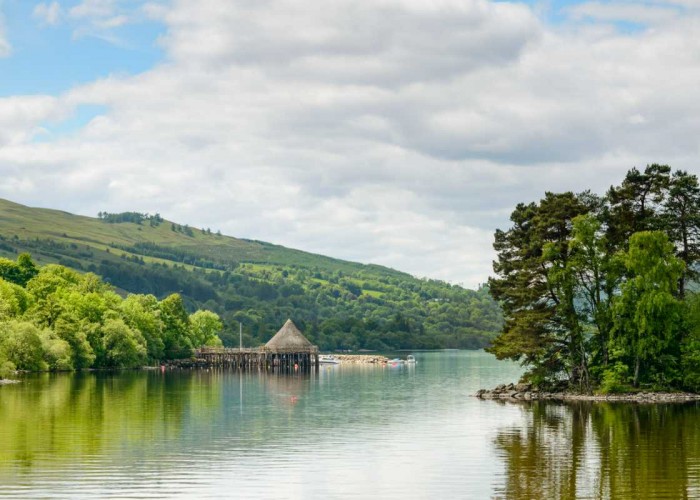
This, Scotland's sixth biggest loch, covers six and half thousand acres in its 14 miles between Kenmore and Killin. For thousan
More
The Glen was once home to over a thousand folk and on one of the best trodden thoroughfares between the western Highlands and the E
More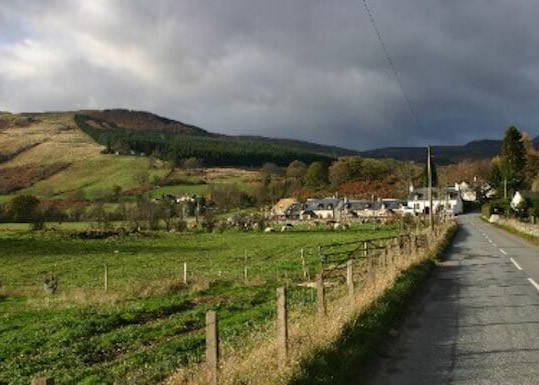
The statue to David Stewart of Garth, erected by the Stewart Society in 1925, in the uniform of a Black Watch captain
More
The double stone circle of Mary's Croft, an impressive standing stone monument in highland Perthshire
More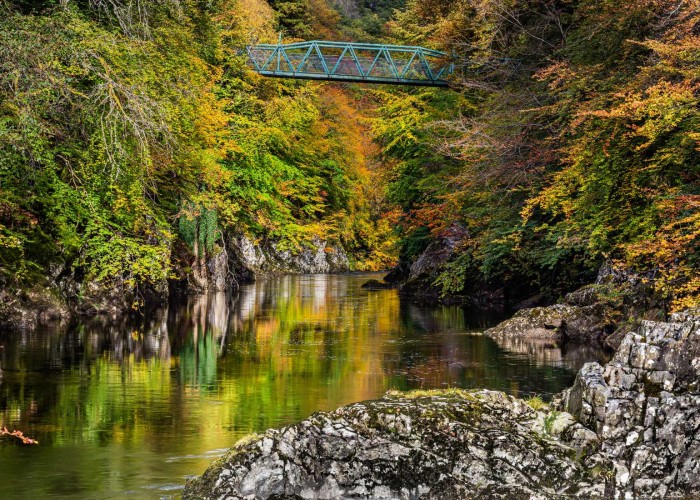

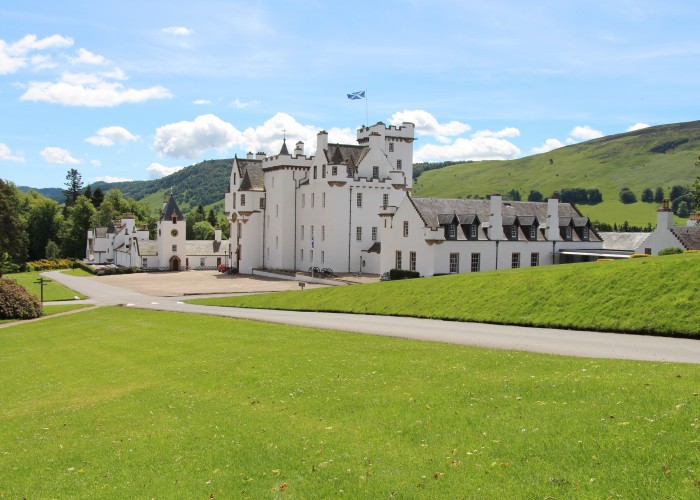

Aberfeldy is what used to be called a thriving market town. The market has long closed but the town still thrives.
More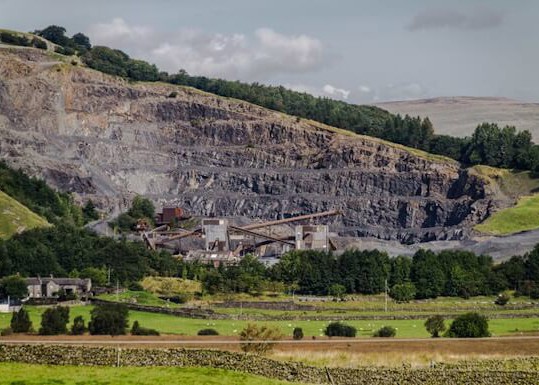
The history behind Shierglas Quarry - Set back the busy A9 road, connecting the south and north of Scotland.
More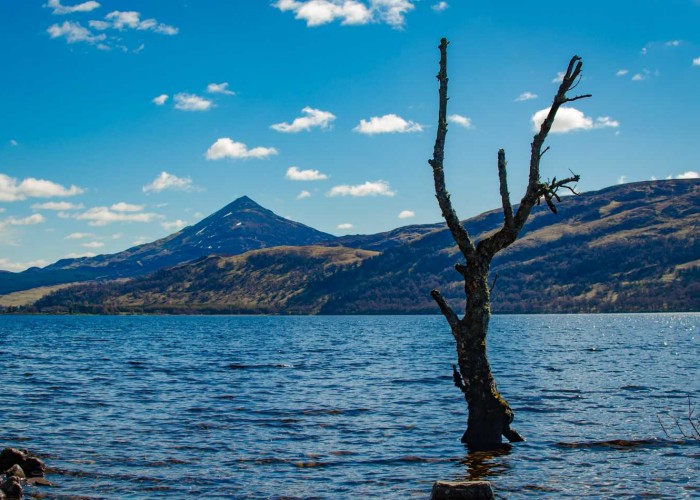
Like an island, the peak of Schiehallion stood above the ice. The millennia of frost left the shattered boulders and scree that
More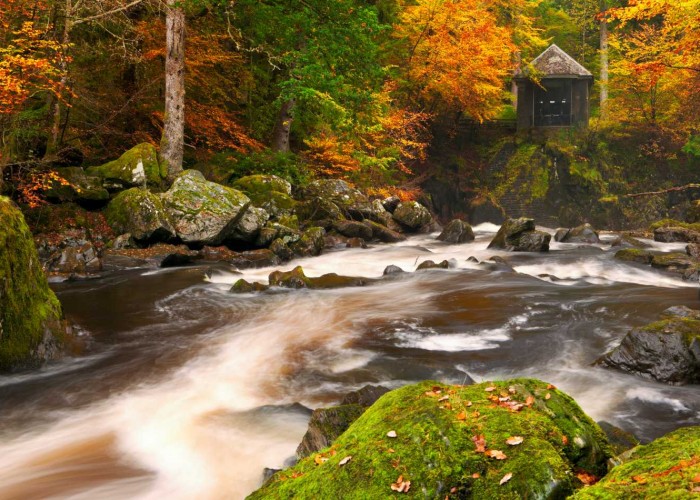
The building contained a chandelier and its walls were lined with mirrors reflecting the falls of turbulent river which was int
More
The castle, in private hands, dates from the late 1600s but doubled in size early this century.
More